Kitchen basics
Plain, clear explainers on what things are, what they taste like and how to use them, with UK buying tips.
55 guides Explainer
Korean Rice Cakes (Tteok): How to Cook Them and Where to Buy in the UK
Korean rice cakes need a short soak before cooking if they are frozen or hard, then only a...
 Explainer
Thai Basil vs Holy Basil vs Sweet Basil
Thai basil tastes of aniseed, holy basil is peppery and clove-like, and Italian sweet basil is soft and...
 Explainer
Tempura Flour: What It Is, Best Brands and Where to Buy in the UK
Tempura flour is a low-protein wheat flour, often blended with starch and a raising agent, made to give...
 Explainer
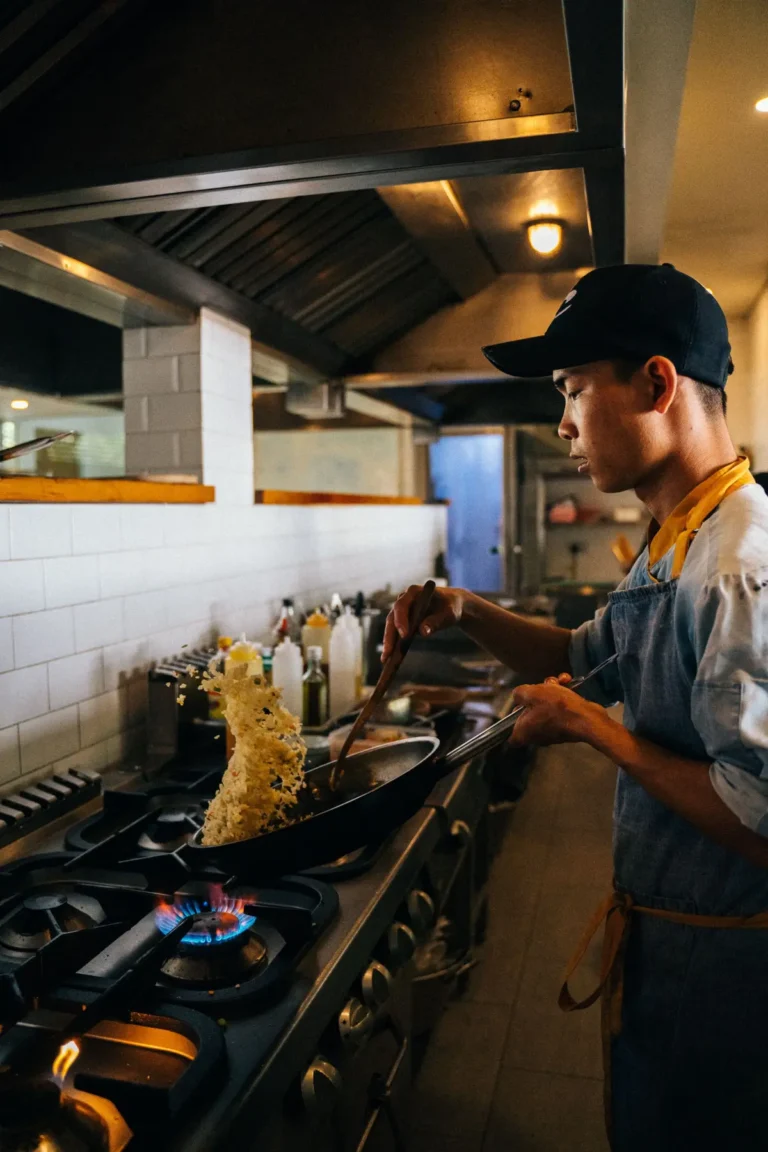
Bagoong: What It Is, Best Brands and Where to Buy in the UK
Bagoong is a Filipino fermented shrimp or fish paste, salty and deeply savoury, used as both a cooking...
 Explainer
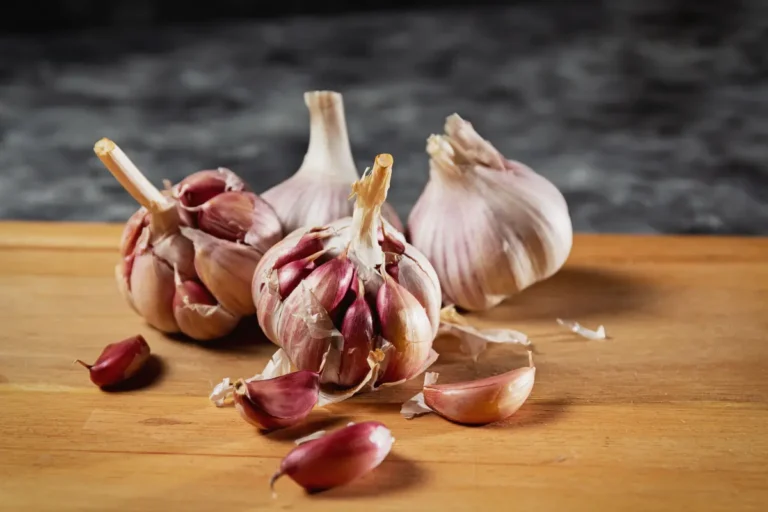
What Is Toyomansi, and How Do You Make It?
Toyomansi is a simple Filipino dipping sauce of soy sauce and kalamansi juice, sharp, salty and quick to...
 Explainer
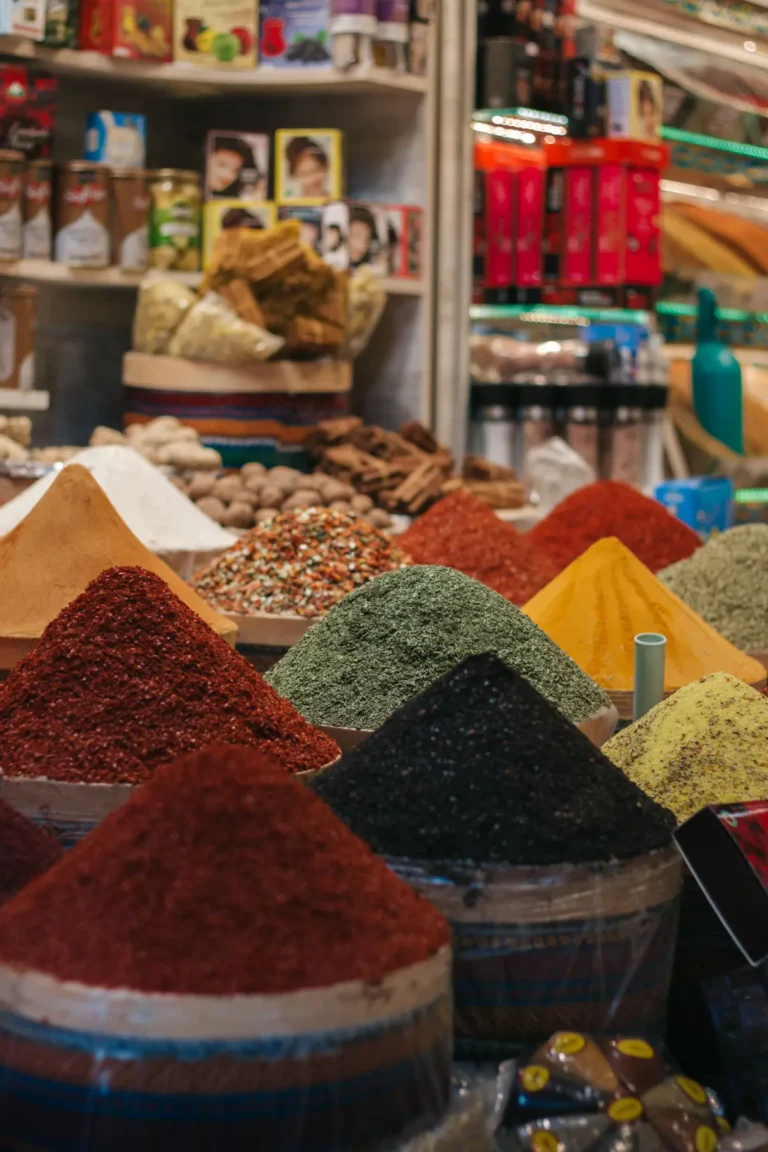
Lemongrass Paste vs Fresh Lemongrass: What’s the Difference?
Lemongrass paste is a convenient jarred shortcut, but fresh lemongrass gives a brighter, more fragrant result worth using...
 Explainer
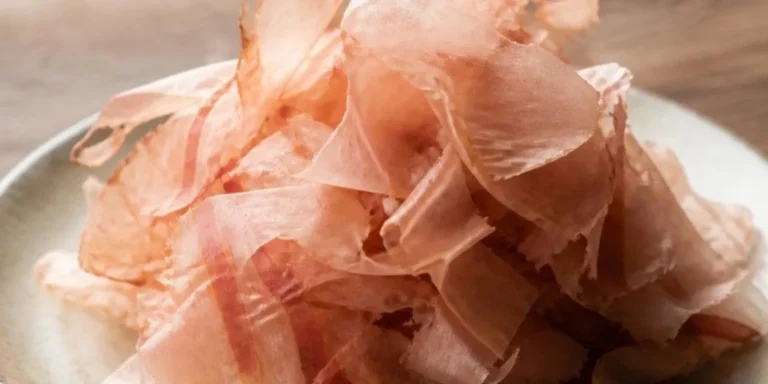
Lap Cheong: What It Is and Where to Buy in the UK
Lap cheong is a firm, sweet-savoury Chinese sausage, usually made from pork and pork fat, cured and lightly...
 Explainer
Bonito Flakes in the UK: What They Are and Where to Buy
Bonito flakes, or katsuobushi, are thin shavings of dried, smoked and fermented skipjack tuna. They are intensely savoury,...
 Explainer
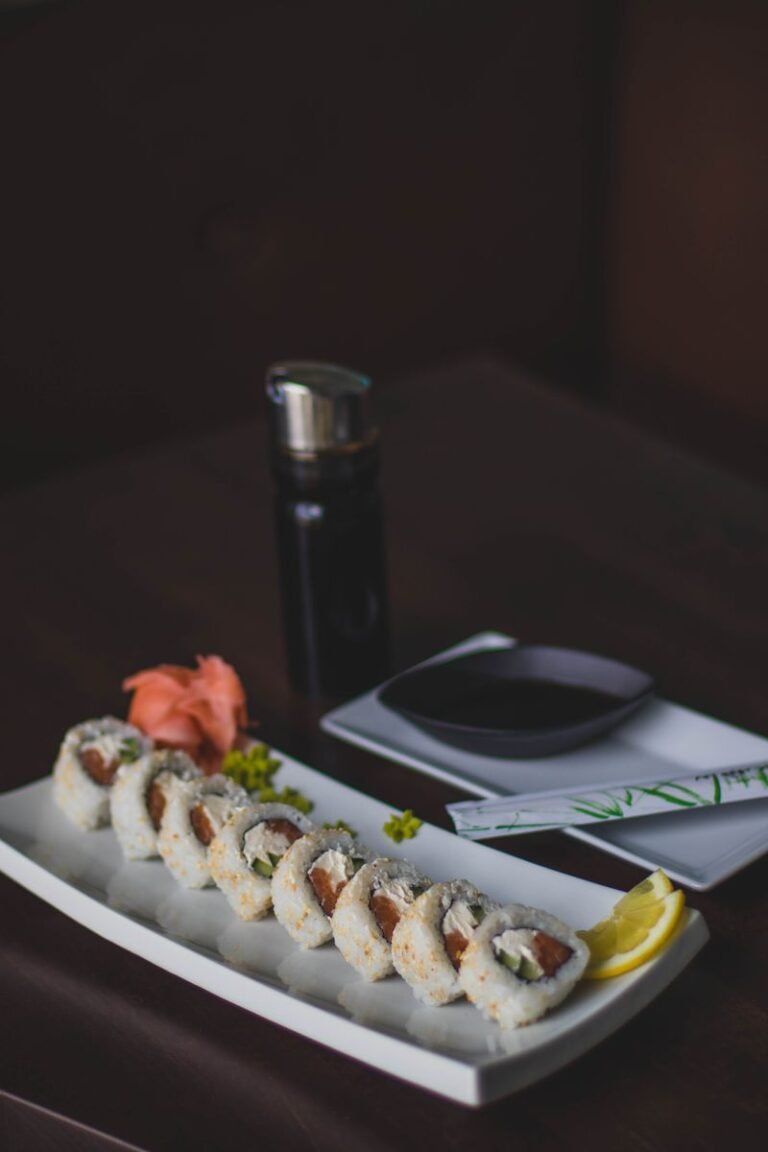
How to Make Ponzu Sauce at Home
Mix equal parts soy sauce and citrus juice, add a splash of rice vinegar and a small piece...
 Explainer
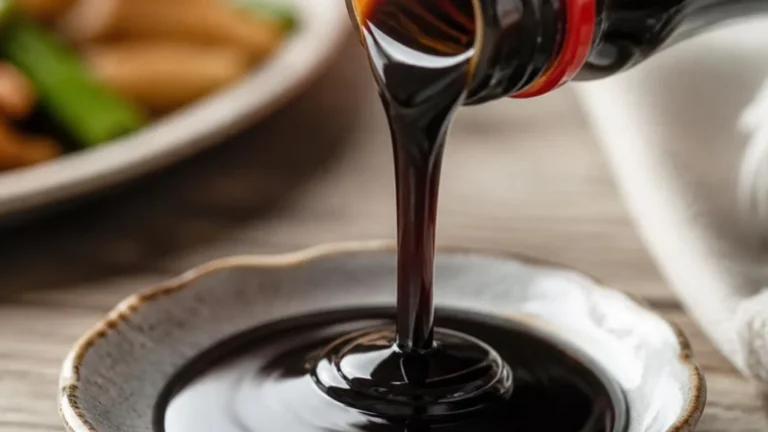
Kecap Manis in the UK: Where to Buy It and How to Use It
Kecap manis is a thick, sweet Indonesian soy sauce. It is sweetened with palm sugar during brewing, so...
 Explainer
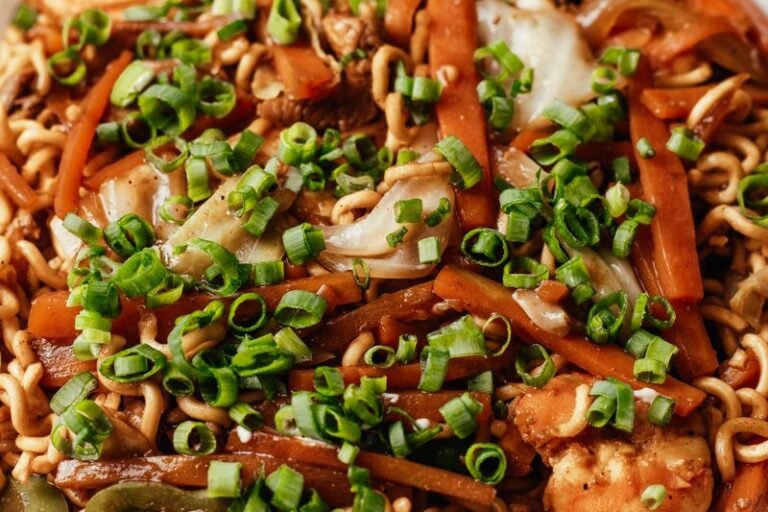
How to Cook Glass Noodles Without Them Clumping
Soak glass noodles in warm water for 8 to 10 minutes rather than boiling, and toss them with...
 Explainer
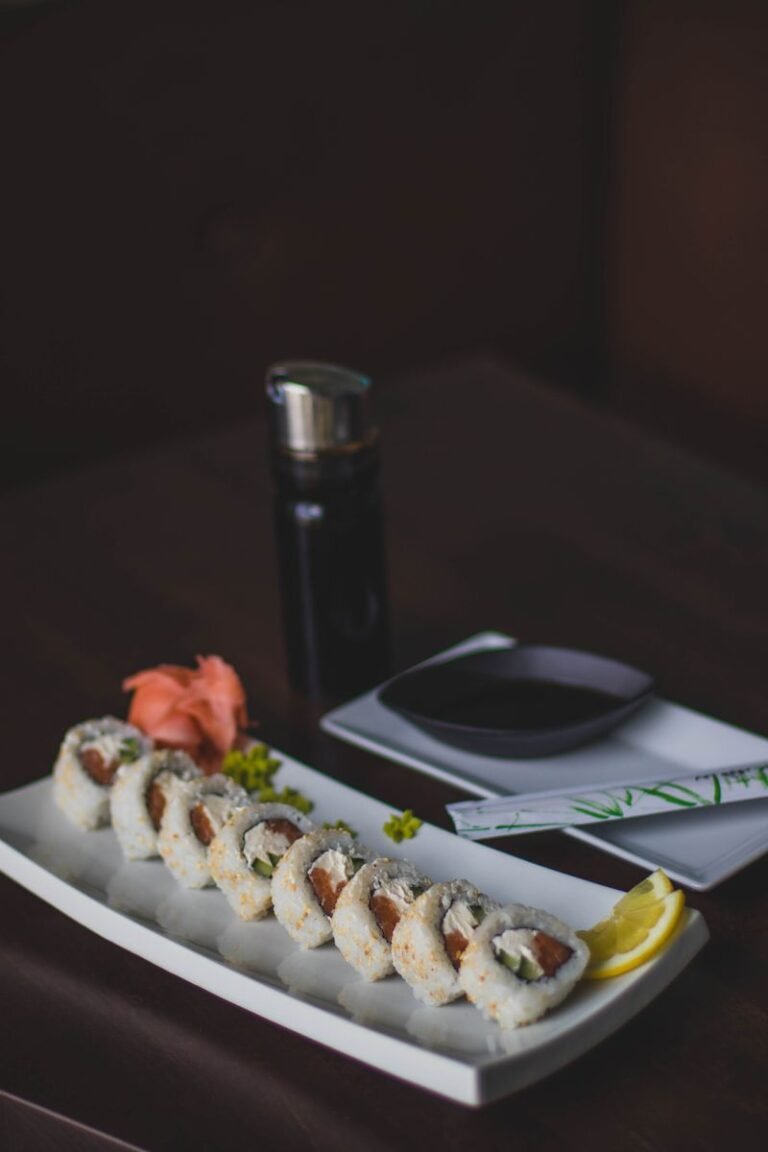
Nori in the UK: What to Buy and How to Store It
Nori is dried, pressed seaweed sold in thin sheets. Most people know it as the wrapper around sushi...
 Explainer
Doenjang in the UK: What It Is and Where to Buy It
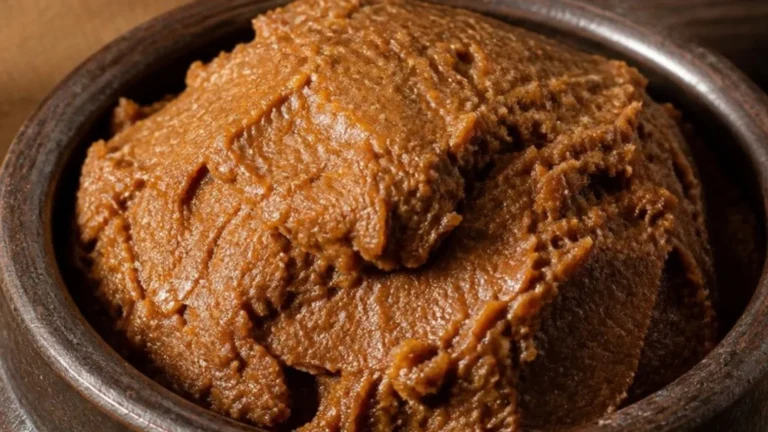
Doenjang is a Korean fermented soybean paste. It is related to miso, but it is usually saltier, chunkier...
 Explainer
How to Toast Sesame Seeds: Oven, Pan, and Microwave
The quickest way to toast sesame seeds is in a dry frying pan over a medium heat, shaking...
 Explainer
Tempura Batter Recipe: The Ratio That Actually Stays Crisp
To make tempura batter, mix ice cold water into plain flour with a few light strokes, leaving lumps...
 Explainer
How to Cook Udon Noodles: Fresh, Frozen, and Dried
Fresh and frozen udon noodles need only one to two minutes in boiling water, since they are already...
 Explainer
How to cook jasmine rice
Rinsed, measured, lid on, left alone. Four rules, and none of them need a rice cooker. How do...
 Explainer
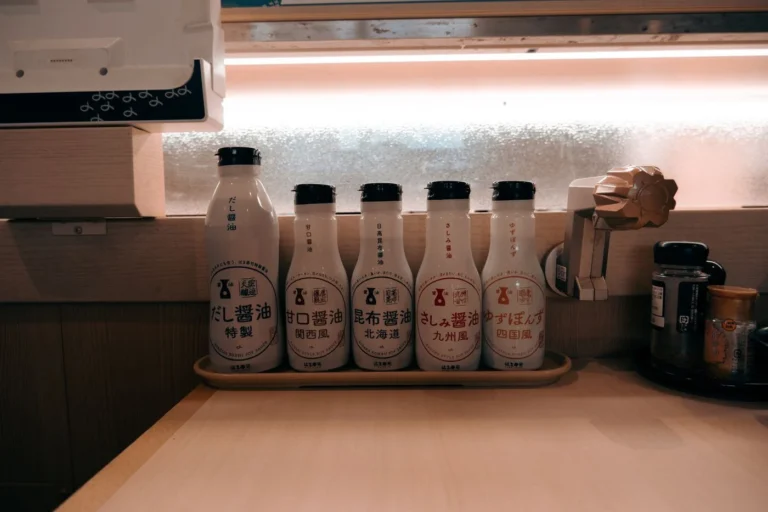
Mirin: What It Is, Which Bottle to Buy and What to Use Instead
Mirin is a sweet Japanese rice wine used for cooking, not drinking. It is what makes teriyaki taste...
 Explainer
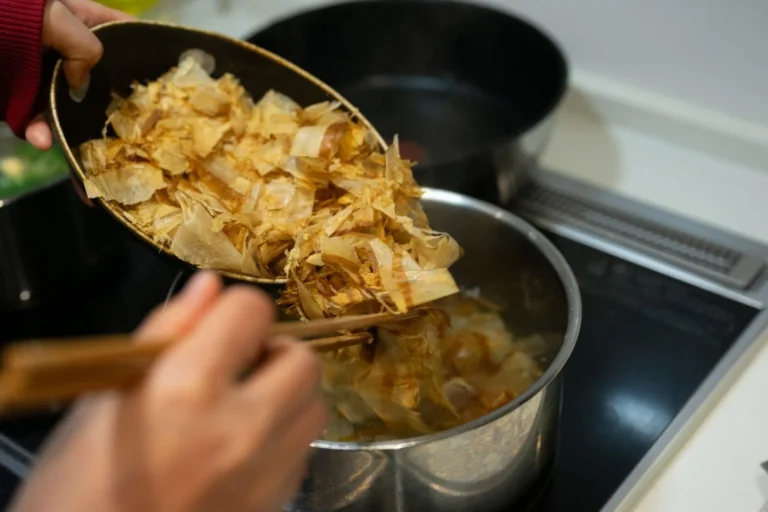
Dashi: What It Is, Best Brands and Where to Buy in the UK
Dashi is the reason a bowl of miso soup tastes like more than salty water. It takes ten...
 Explainer
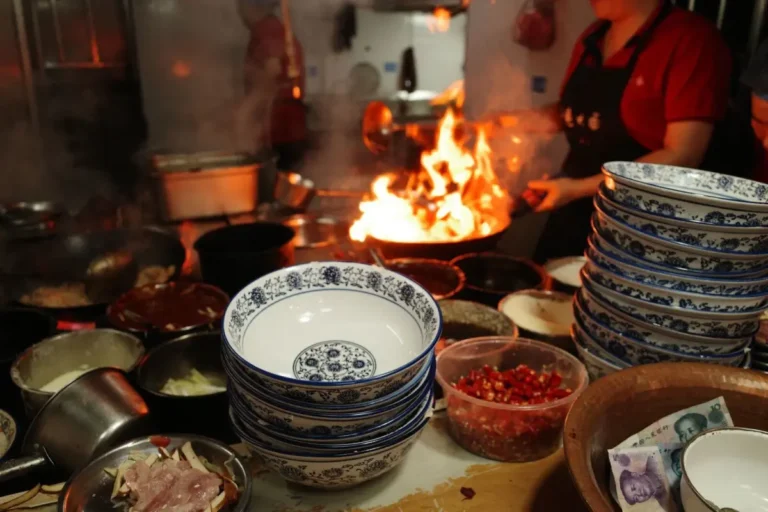
How to season a wok
To season a wok, scrub off the factory coating, heat the dry wok until the metal changes colour,...
 Explainer
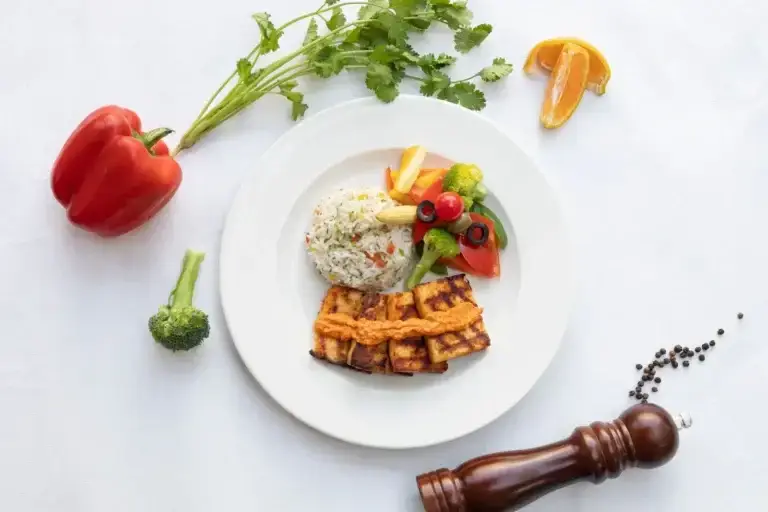
What does tofu taste like?
Plain tofu tastes mild and slightly nutty, a little like unsweetened soy milk, with almost no salt of...
 Explainer
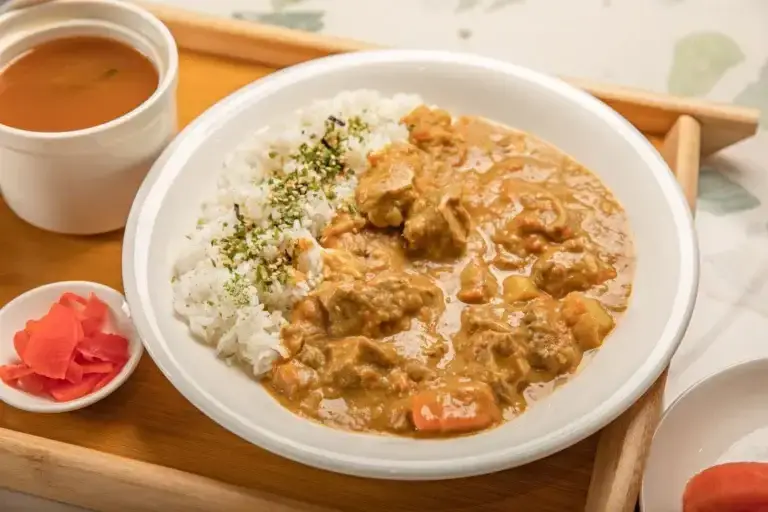
What is katsu sauce?
In the UK, katsu sauce usually means katsu curry sauce: a mild, smooth and slightly sweet Japanese style...
 Explainer
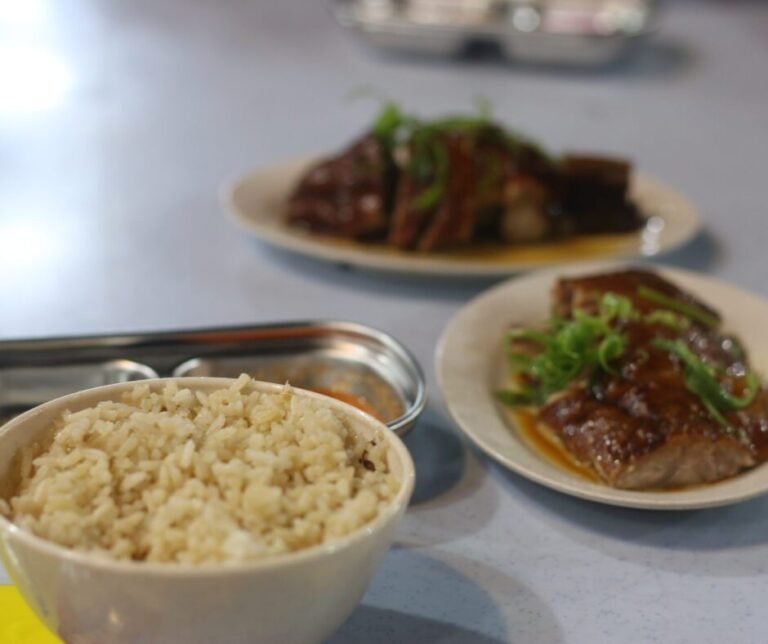
How to Cook Basmati Rice (Fluffy Grains, Three Methods)
Basmati rice is a long grain variety from the foothills of the Himalayas, grown in India and Pakistan....
 Explainer
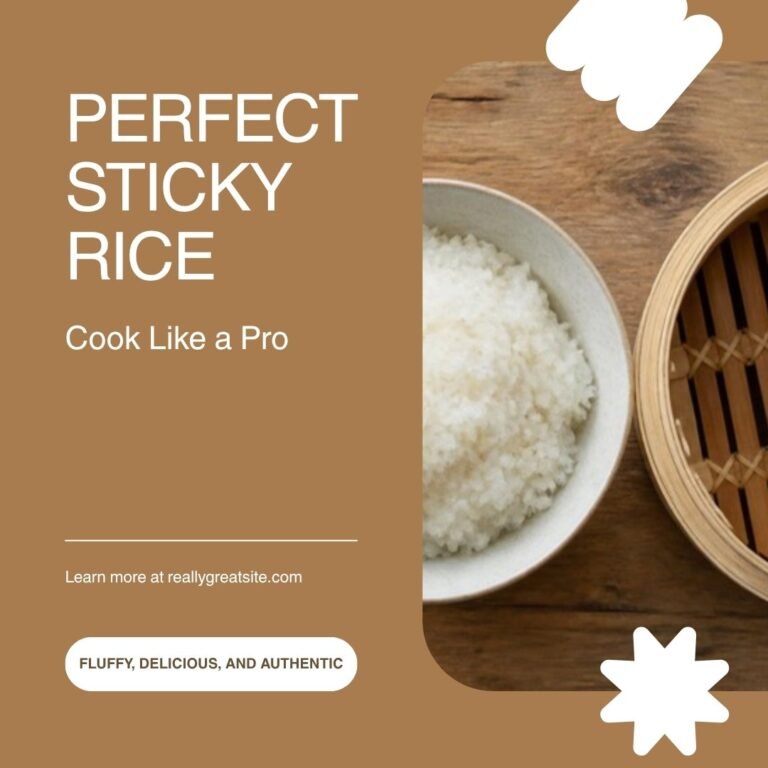
How to Cook Sticky Rice Perfectly (Three Methods)
Sticky rice (also called glutinous rice or sweet rice) cooks differently from jasmine or long-grain rice. The grains...
 Explainer
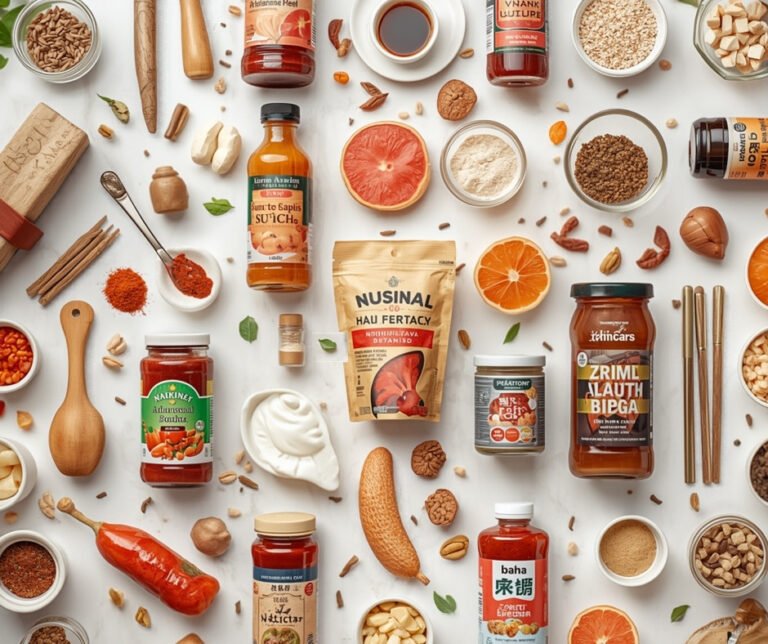
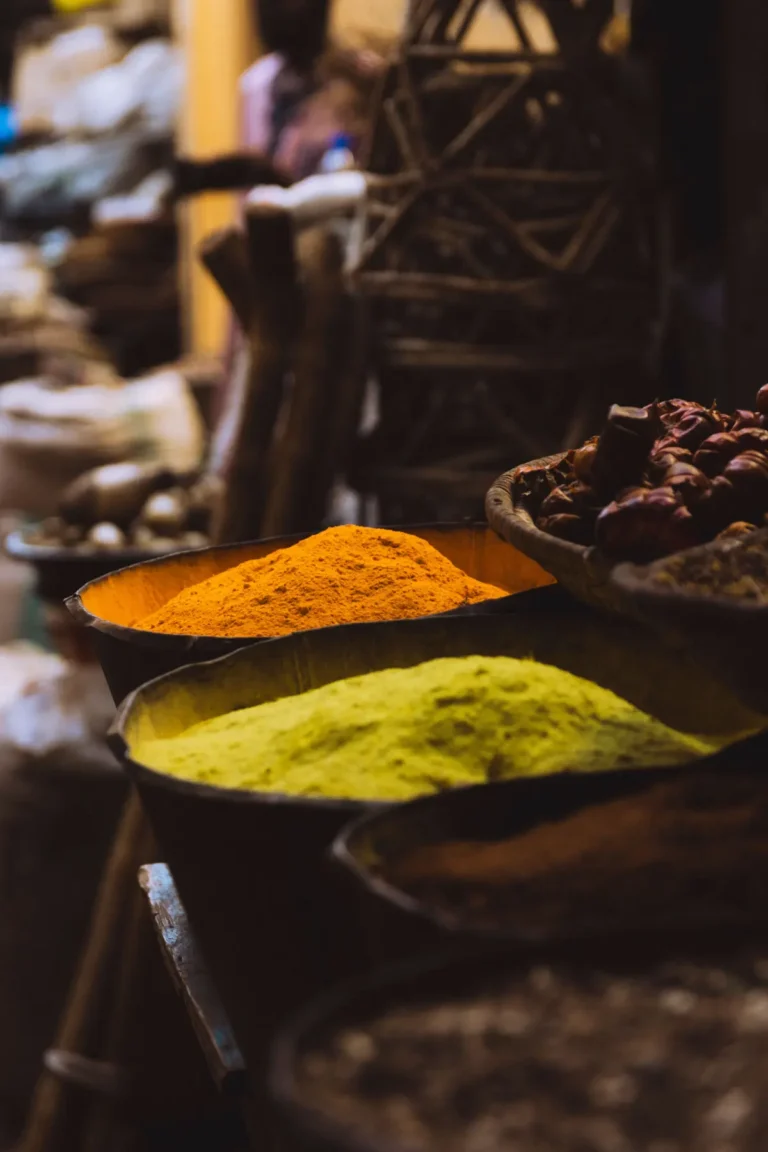
How to Build an Asian Pantry from Scratch: A Starter Guide for the UK
You do not need to fill an entire cupboard to start cooking good Asian food at home. A...
 Explainer
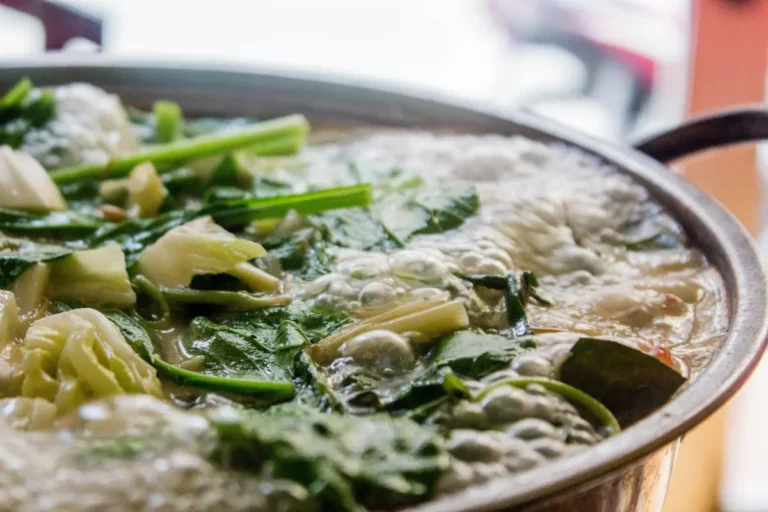
Thai Sweet Chilli Sauce: What It Is, Best Brands and Where to Buy in the UK
Thai sweet chilli sauce (nam chim kai) is a sticky dipping sauce of red chilli, garlic, sugar and...
 Explainer
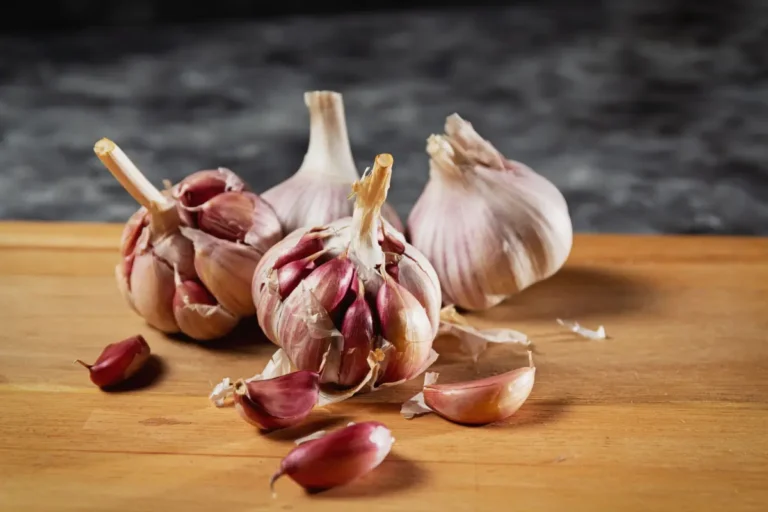
Dolsot: What It Is, the Best Stone Bowls and Where to Buy One in the UK
A dolsot is a thick granite or stoneware bowl that holds intense heat, used to serve bibimbap with...
 Explainer
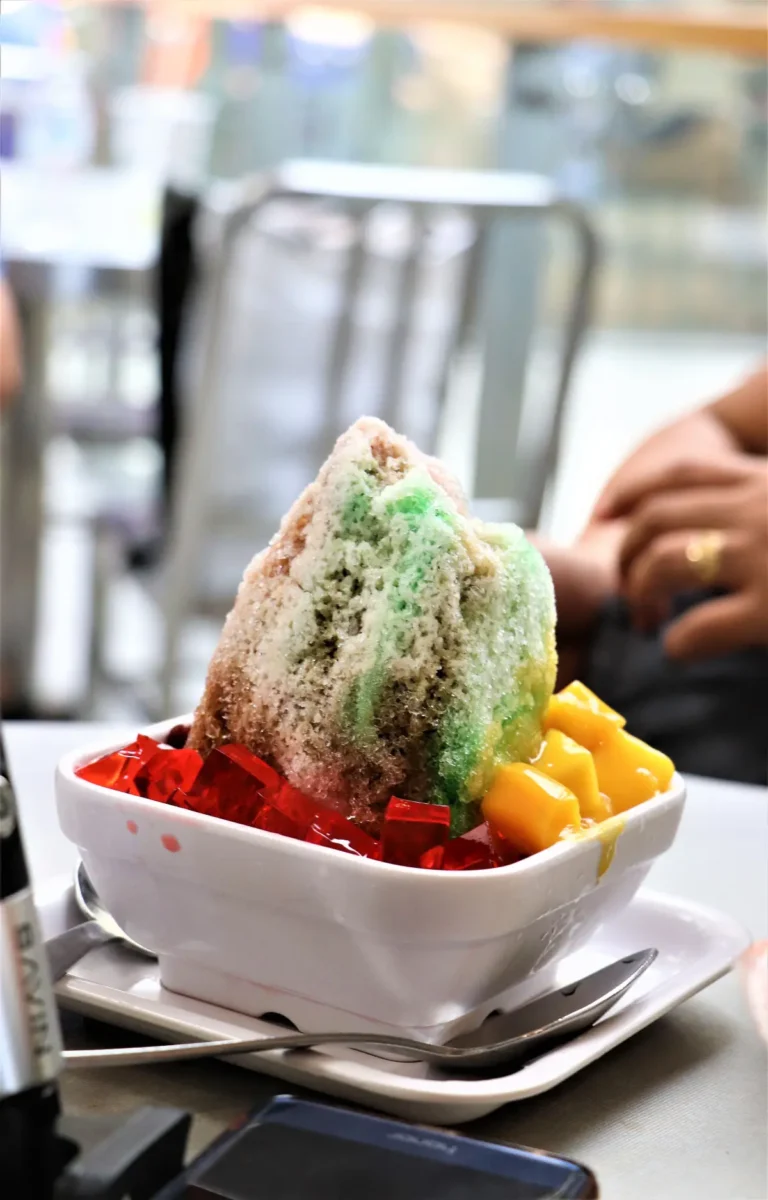
What Is Yuba (Tofu Skin)?
Yuba is the thin, delicate skin that forms on the surface of simmering soy milk, lifted off and...
 Explainer
Ube: What It Is, How to Use It and Where to Buy It in the UK
Ube is a bright purple Filipino yam with a sweet, faintly vanilla flavour, used across Filipino desserts. Fresh...
 Explainer
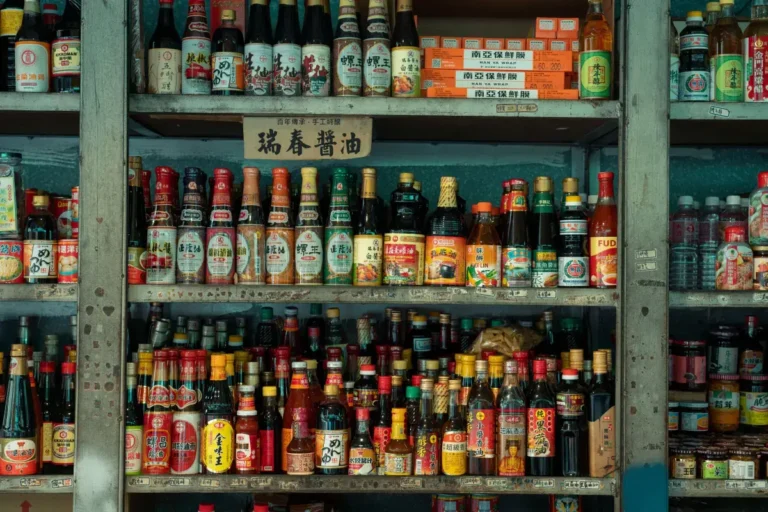
What Is Nuoc Cham (Vietnamese Dipping Sauce)?
Nuoc cham is a light, punchy Vietnamese dipping sauce built from fish sauce, lime, sugar, garlic and chilli,...
 Explainer
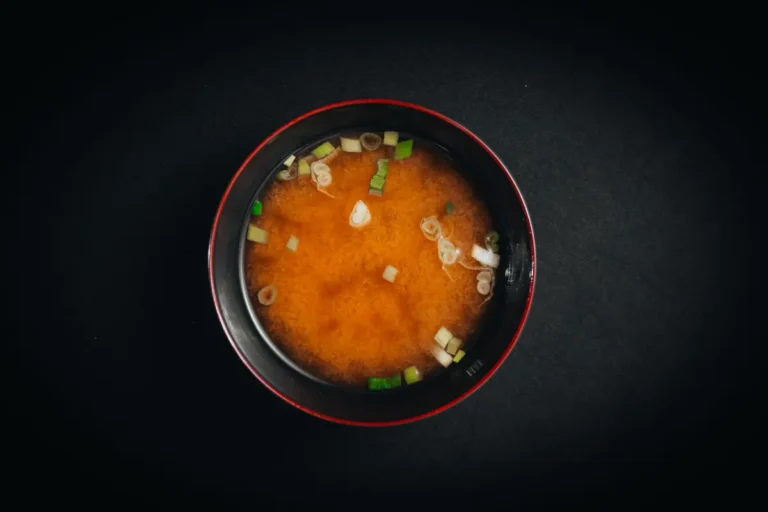
What Is Tare, the Seasoning Base for Ramen?
Tare is the concentrated, salty seasoning base spooned into the bottom of a ramen bowl before the broth...
 Explainer
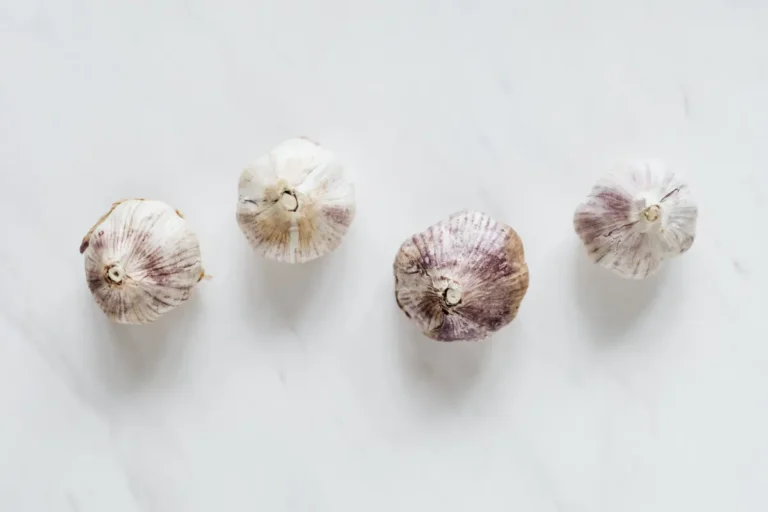
How to Make Ginger Scallion Oil
Ginger scallion oil is a simple Cantonese condiment of finely chopped ginger and spring onion, softened by a...
 Explainer
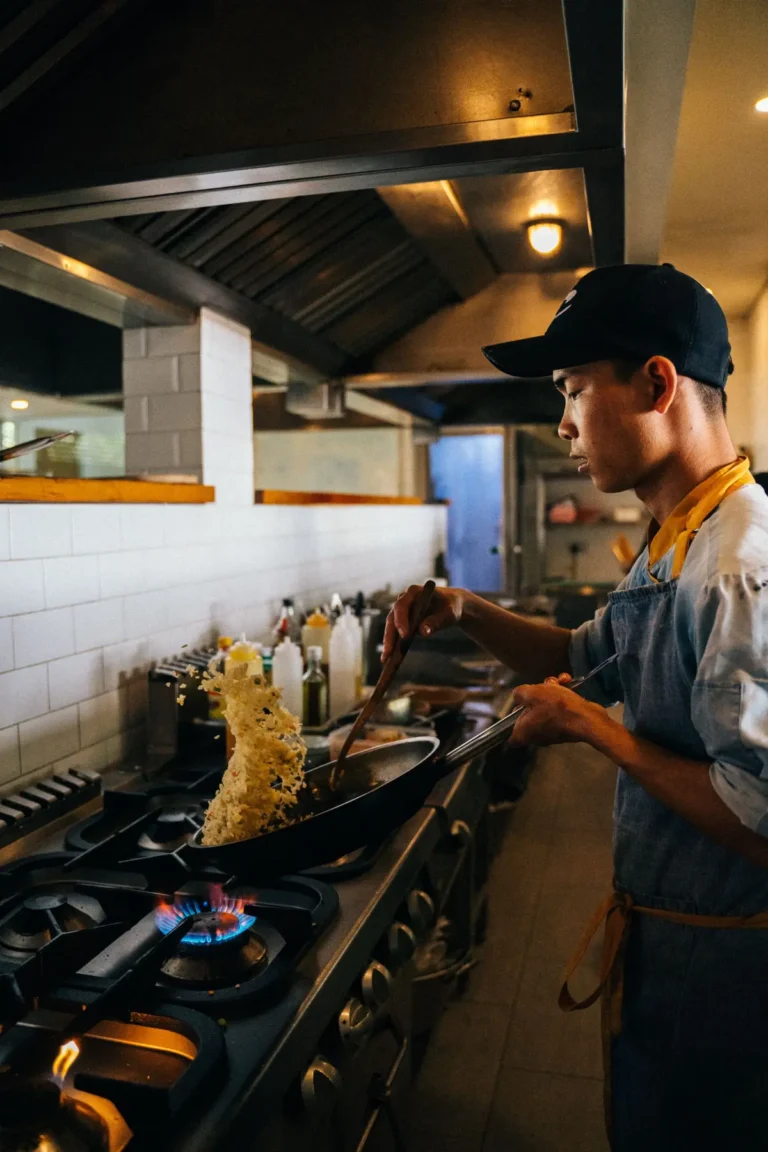
How to Steam Fish, Cantonese Style
Cantonese steamed fish is cooked whole or in fillets over high heat for just a few minutes, then...
 Explainer
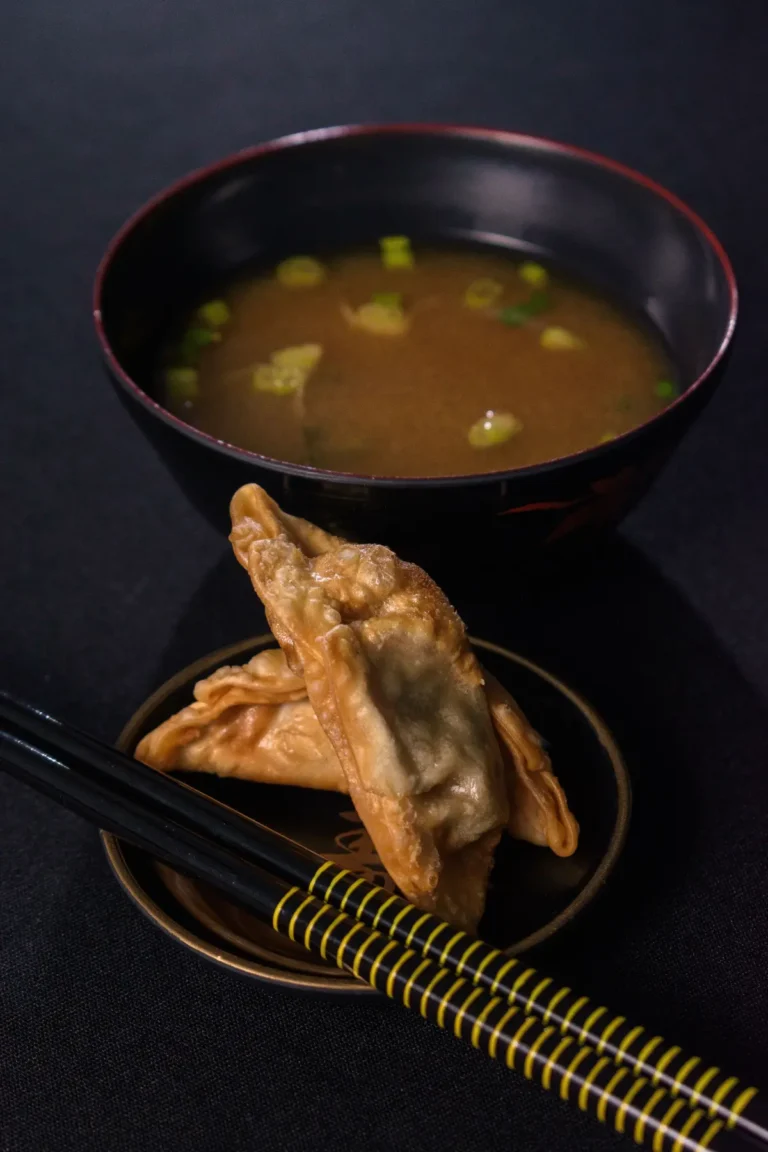
How to Fold Dumplings and Gyoza: A Few Simple Folds
A basic pleat is all you need for a well-sealed dumpling, and it gets easier after the first...
 Explainer
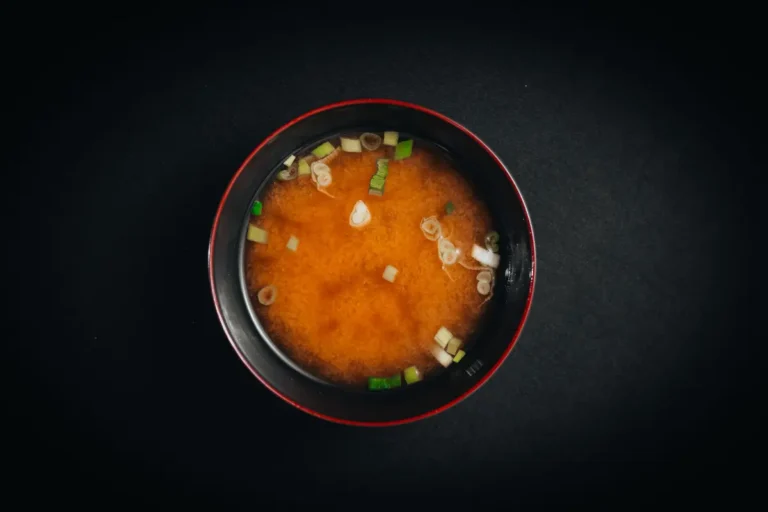
What Is Umami, and Why Does It Matter in Cooking?
Umami is the savoury, mouth-filling taste alongside sweet, sour, salty and bitter, and it is central to why...
 Explainer
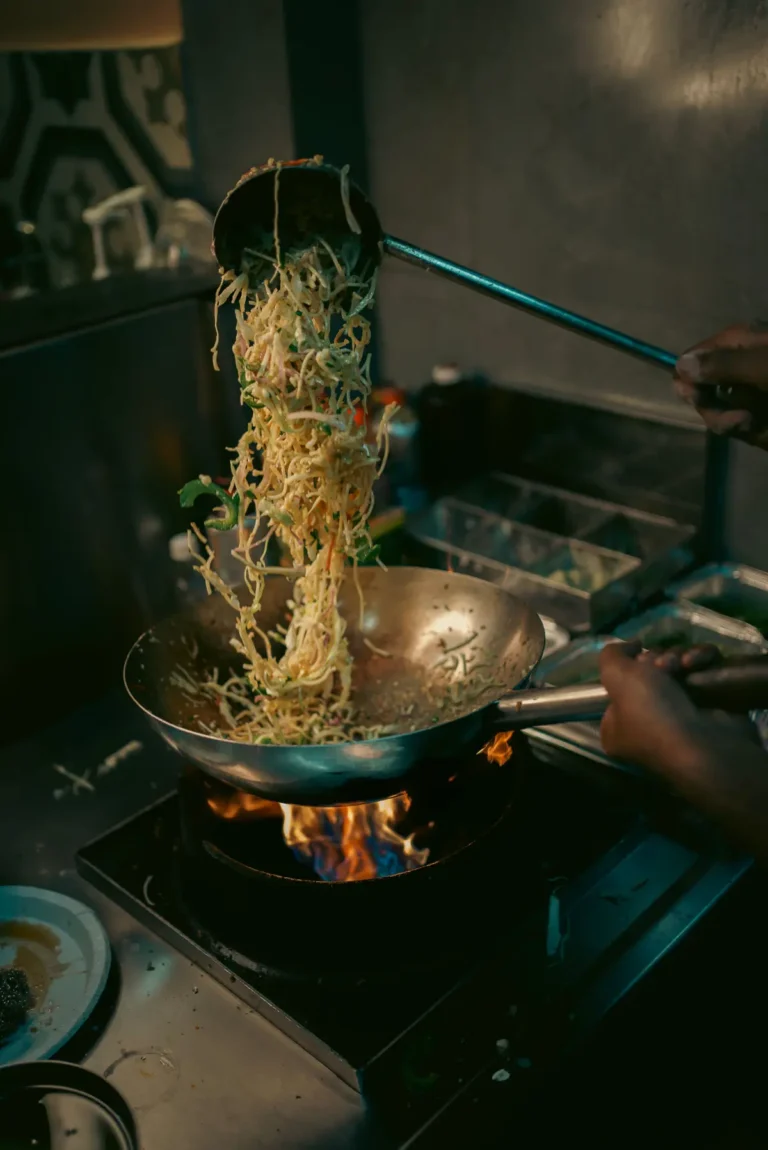
How to Velvet Chicken and Beef for Stir-Fries
Velveting is a Chinese technique of coating raw meat in a light cornflour and egg white marinade before...
 Explainer
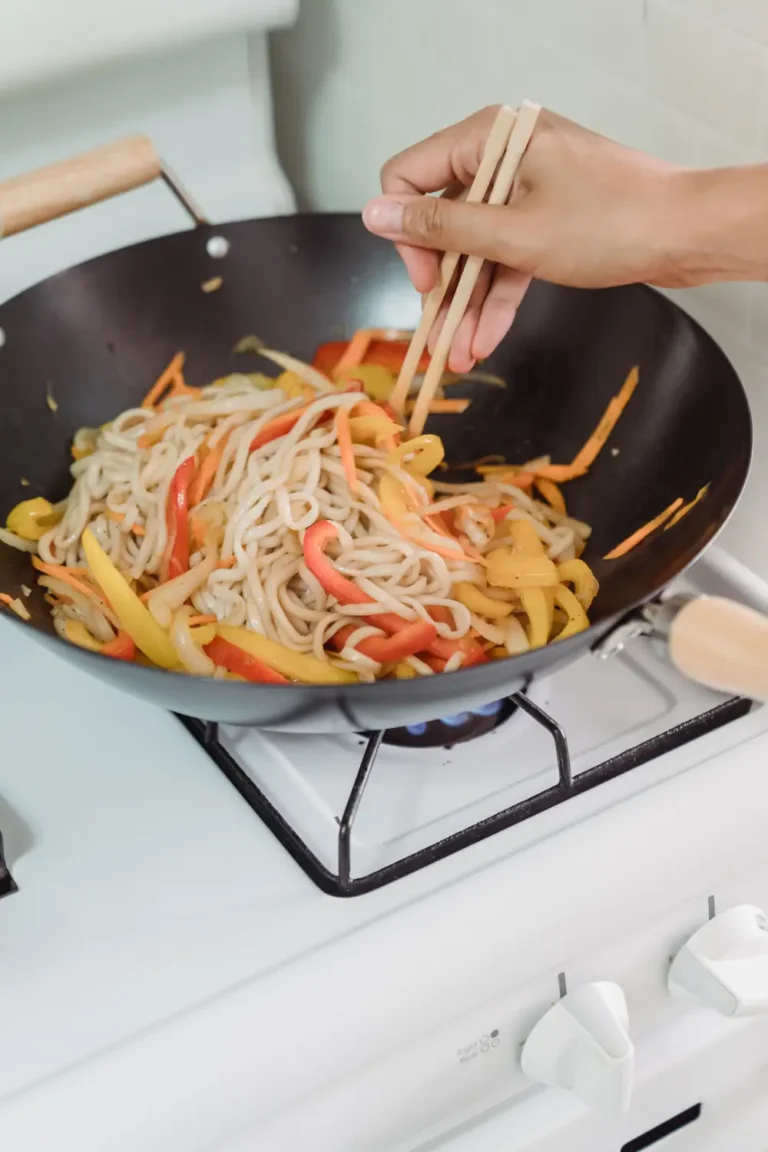
What Is Wok Hei, and Can You Get It at Home?
Wok hei is the smoky, slightly charred flavour that comes from cooking over very high heat in a...
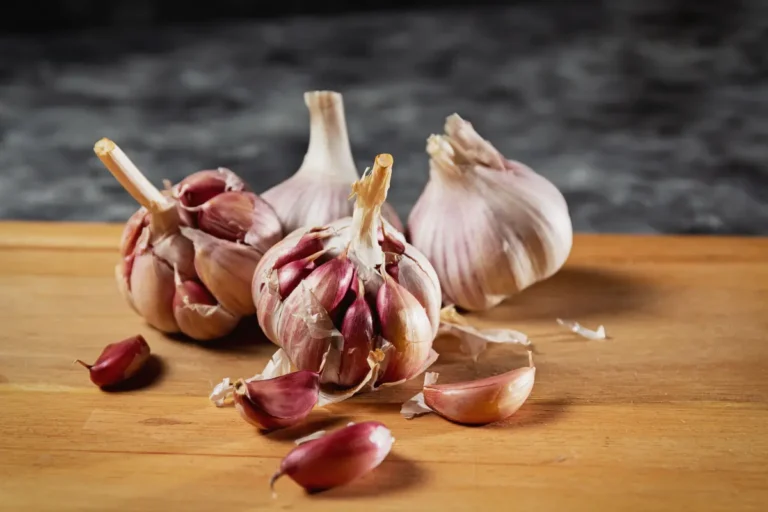 Explainer
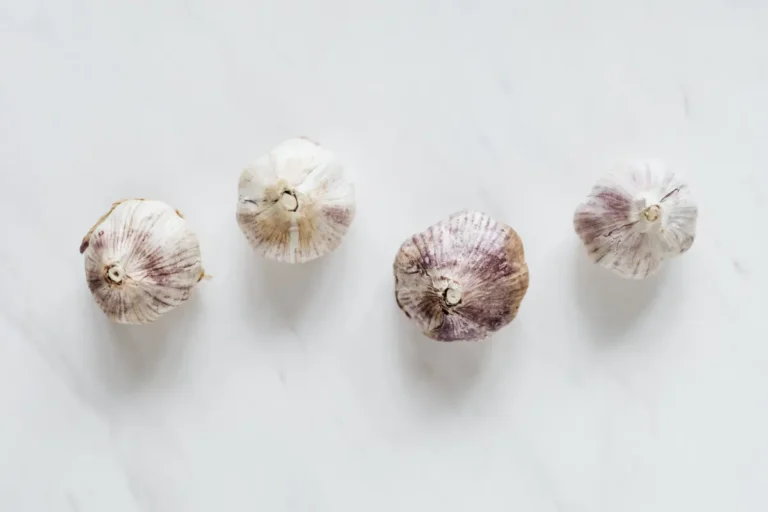
How to Make Crispy Fried Garlic and Shallots
Fried garlic and shallots are a simple, crunchy topping made by slowly frying thin, even slices in oil...
 Explainer
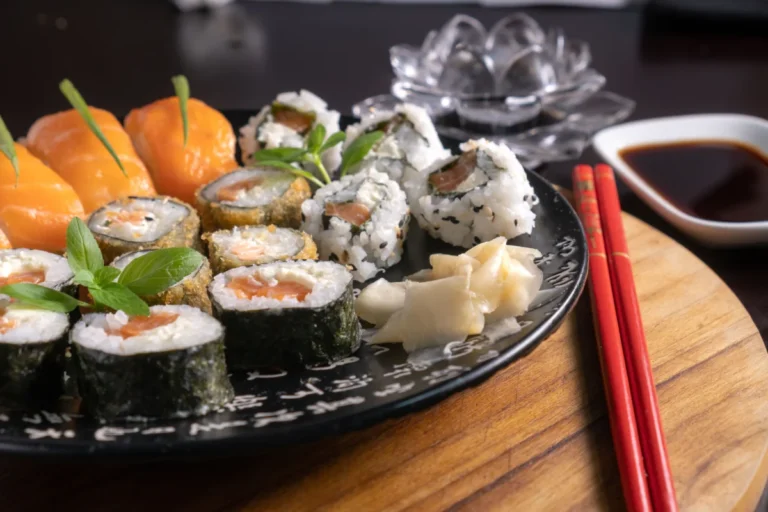
How to Store Fresh Ginger and Garlic So They Last
Fresh ginger keeps longest in the freezer, while garlic keeps best in a cool, dark, well-ventilated spot rather...
 Explainer
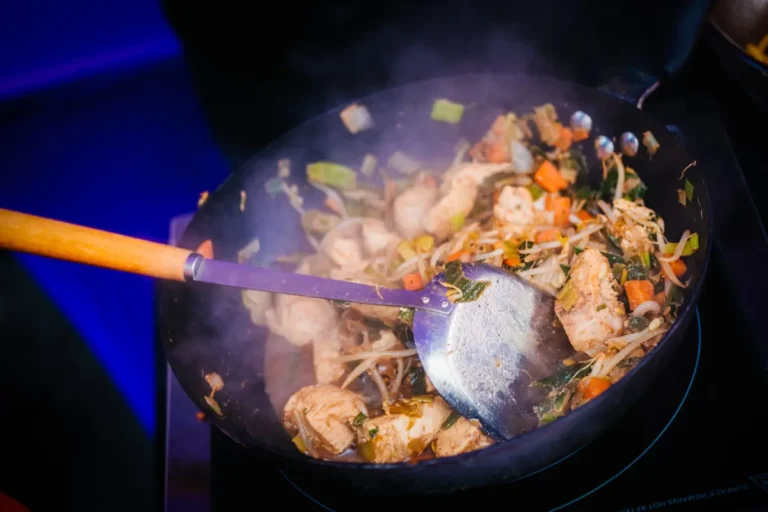
How to Steam Rice Without a Rice Cooker
Use a heavy pot with a tight lid, rinse the rice, use a 1 to 1.5 ratio of...
 Explainer
How to Debone a Chicken Thigh for Stir-Fries
Lay the thigh skin side down and run a small knife along the bone, keeping the blade close...
 Explainer
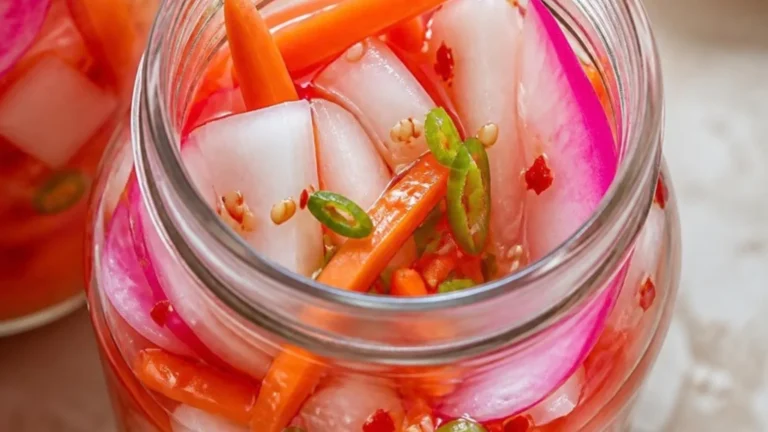
How to Make Quick Pickled Vegetables for Asian Dishes
A quick pickle is just vegetables covered in a warm mix of vinegar, sugar and salt, left to...
 Explainer
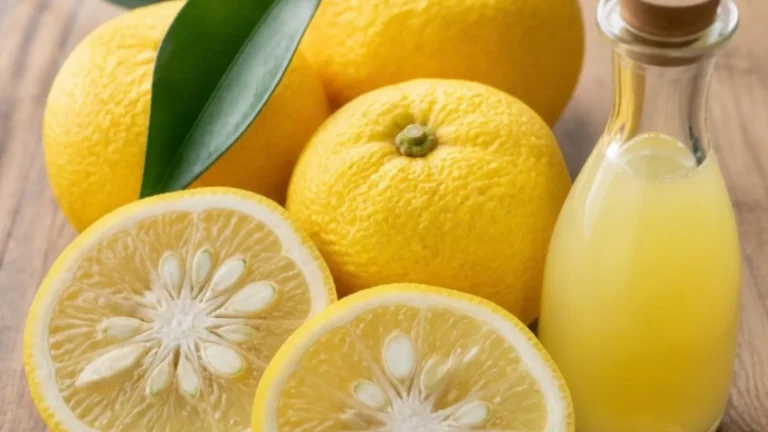
Yuzu: What It Is, Which Product to Buy and Where to Find It
Yuzu is a Japanese citrus that tastes like a cross between lemon, lime and mandarin, sharper and more...
 Explainer
What Is MSG, and Is It Safe?
MSG, or monosodium glutamate, is a flavour enhancer that adds umami, and is safe to eat for the...
 Explainer
What Is Shichimi Togarashi?
Shichimi togarashi is a Japanese seven spice blend built around chilli flakes, with citrus peel, sesame and seaweed...
 Explainer
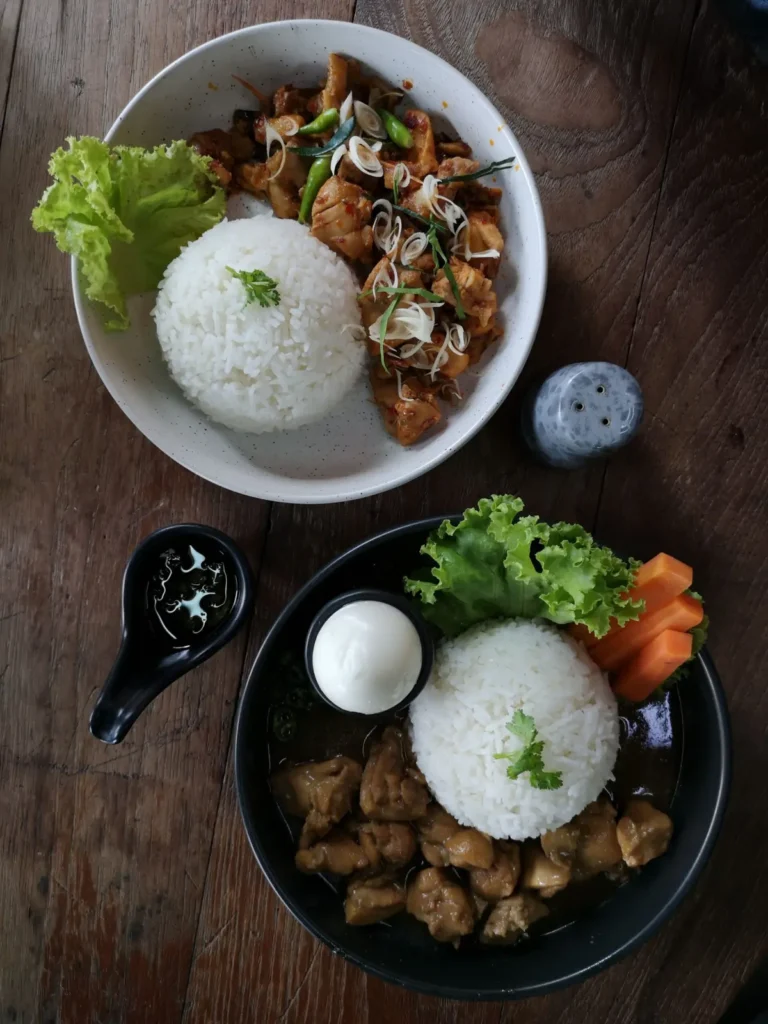
How to Use a Rice Cooker (A Beginner Guide)
Rinse your rice, add it to the pot with water at a 1 to 1.5 ratio for white...
 Explainer
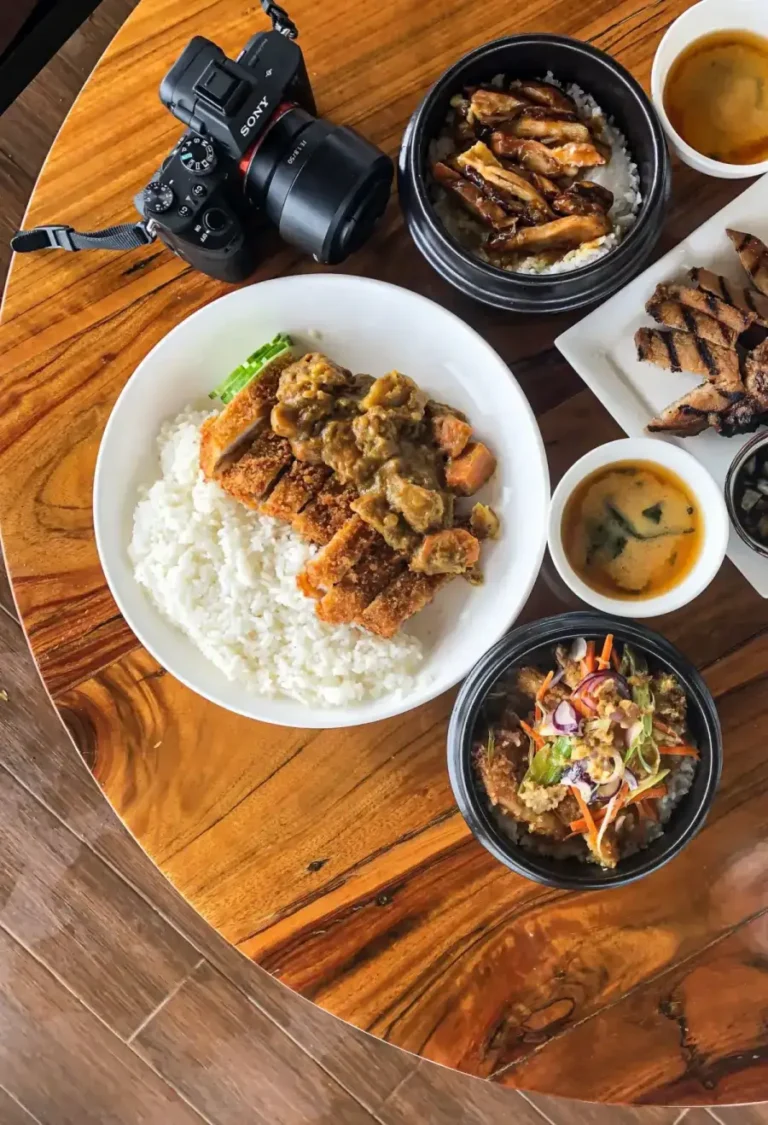
What Is Congee, and How Do You Make It
Congee is rice cooked slowly in a lot of water until it breaks down into a thick, smooth...
 Explainer
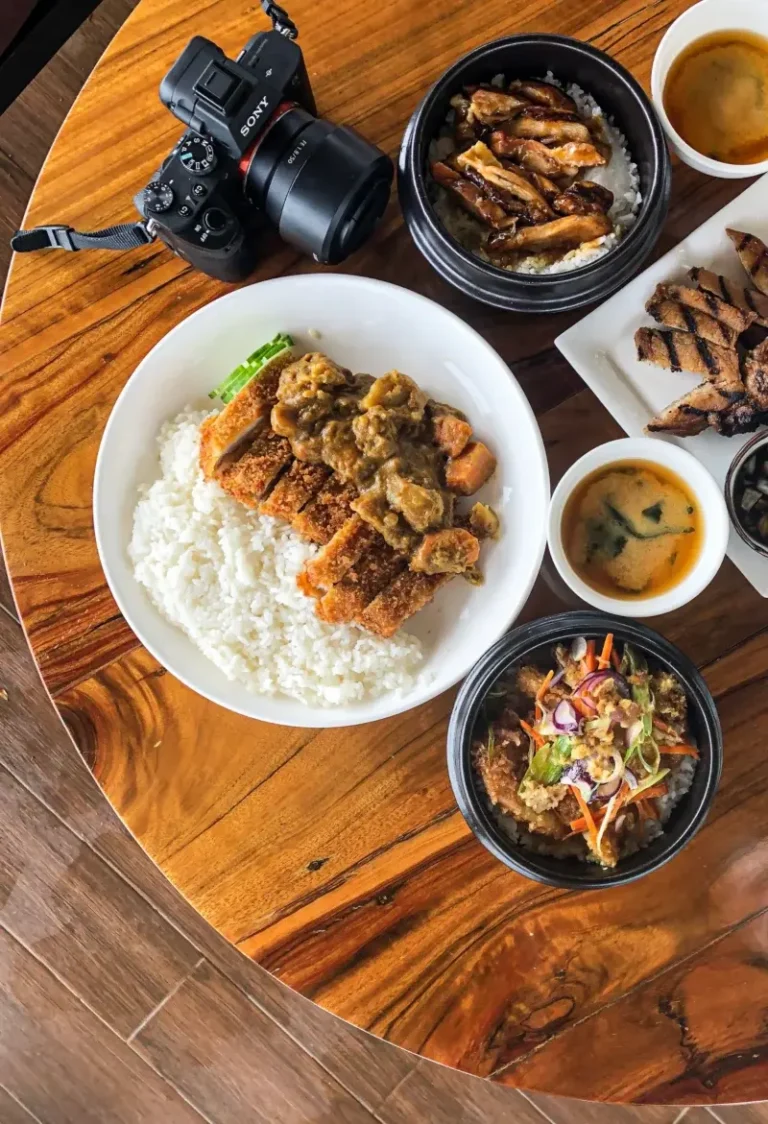
How to Cook Black Rice
Black rice, sometimes called forbidden rice, cooks the same way as brown rice: simmered in around two and...
 Explainer
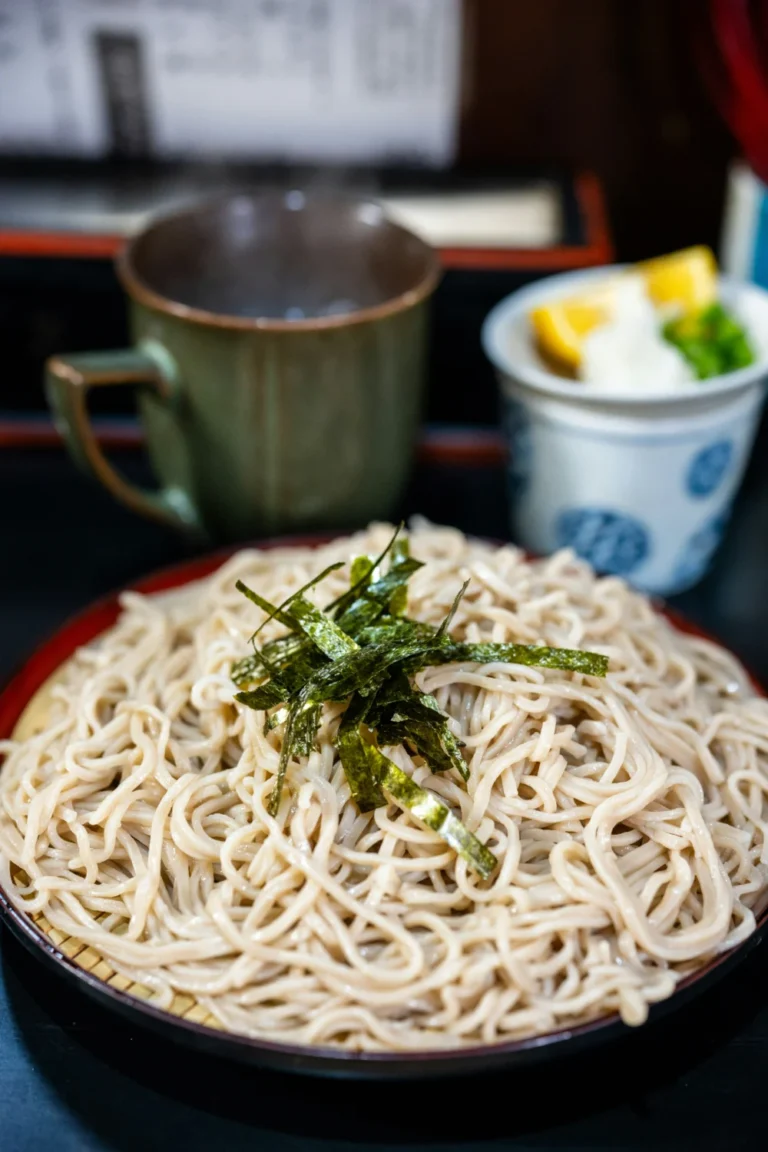
How to Cook Soba Noodles
Soba noodles cook in 4 to 5 minutes in boiling water, then need a cold-water rinse straight after...
 Explainer
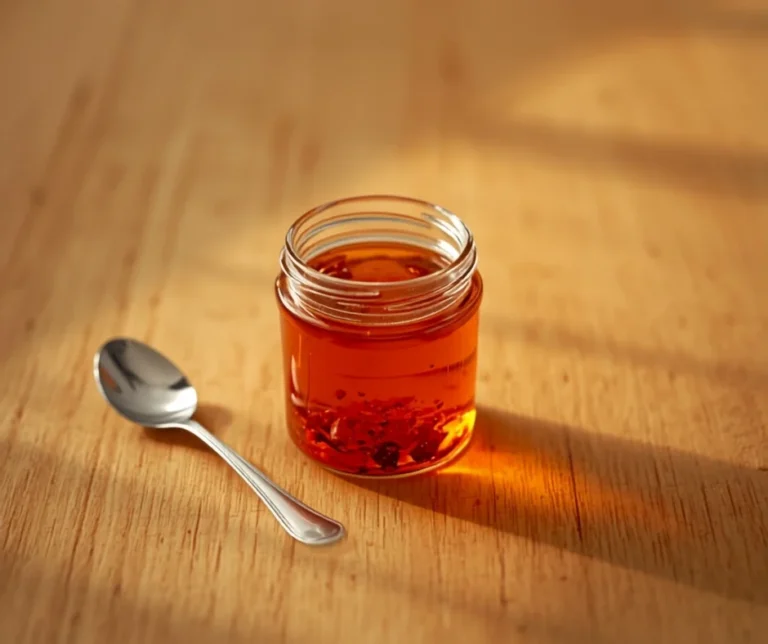
How to Make Chilli Oil: A Simple Ratio That Works Every Time
To make chilli oil, heat a neutral oil with aromatics such as garlic, ginger, and star anise until...
 Explainer
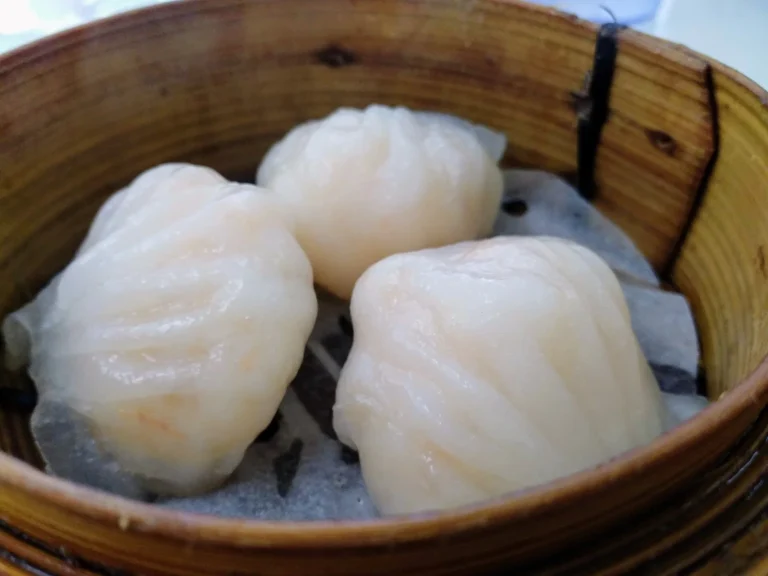
What is dim sum?
Small plates, steamer baskets, endless tea. Here is what to order and how the meal actually works. What...
 Explainer
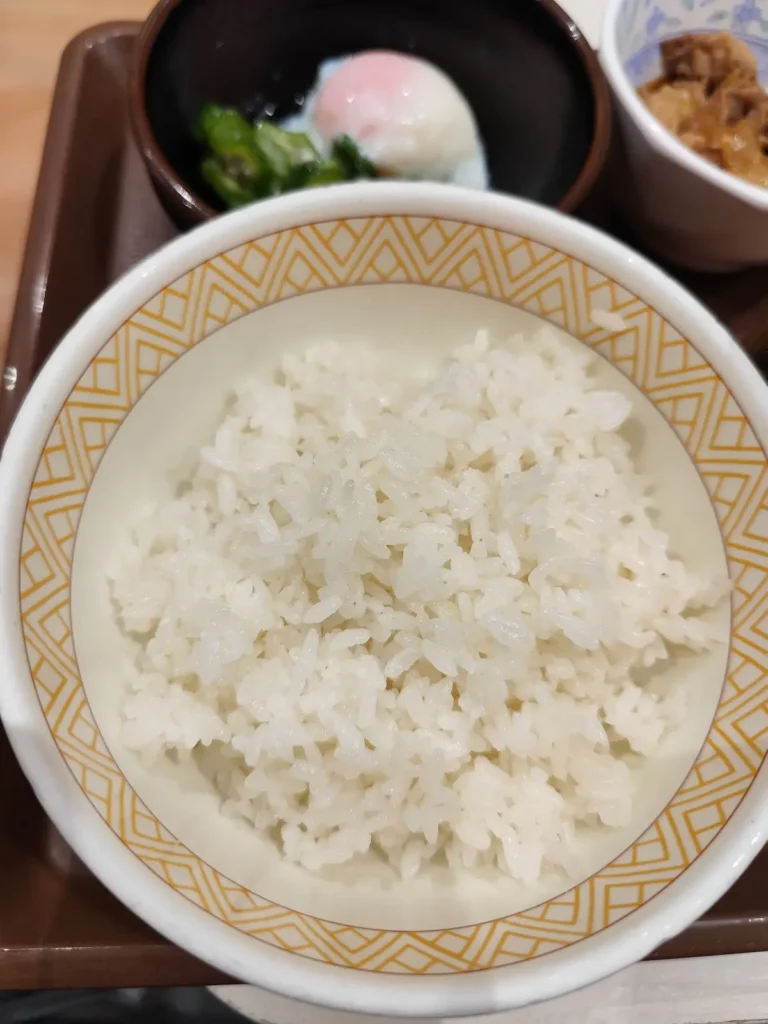
How to cook sushi rice
The rice is the whole job. Get the seasoning and the cooling right and even wonky rolls taste...
 Explainer
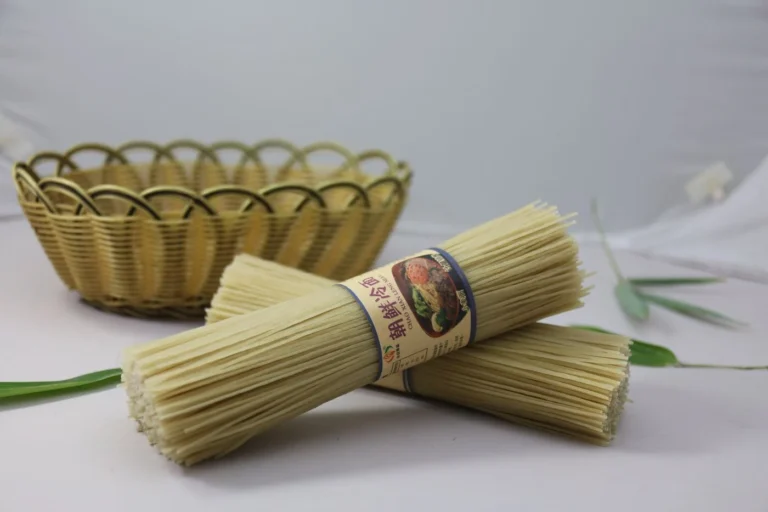
How to cook rice noodles without them going sticky
Rice noodles turn to glue faster than any other noodle. The fix is to stop boiling them. How...
 Explainer
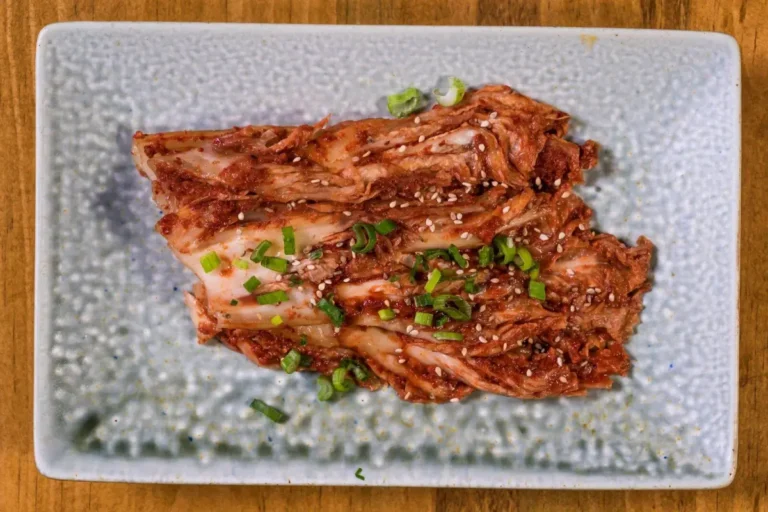
Kimchi: What It Is, Which Jar to Buy and Where to Find It
Kimchi is a Korean side dish of vegetables, usually napa cabbage, salted and fermented with chilli, garlic, ginger...
 Explainer
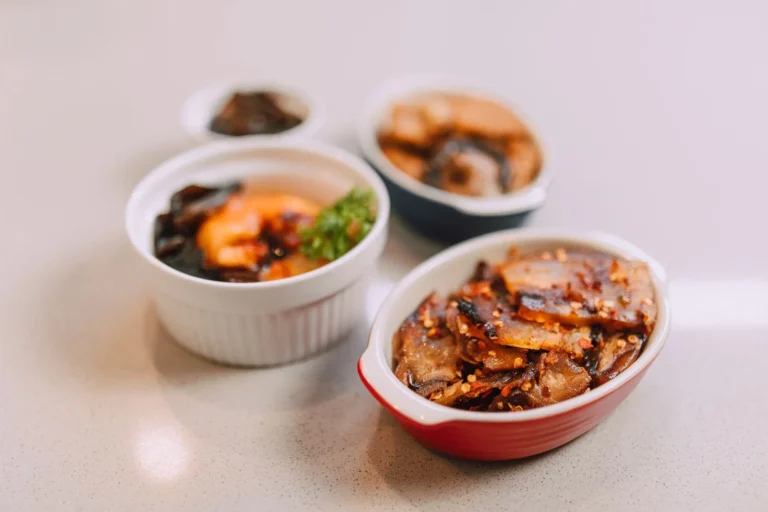
Gochujang: What It Is, Which Tub to Buy and Where to Find It
Gochujang is a thick, deep red Korean paste made from chilli powder, glutinous rice, fermented soybean and salt....
About kitchen basics
Kitchen basics are short, plain-English explainers on Asian ingredients and techniques: what something is, what it tastes like, how to use it, and how to store it. They are written for cooks meeting an ingredient for the first time, or anyone who has a jar at the back of the cupboard and is not sure what to do with it.
Many explainers link to a recipe that uses the ingredient, and to a guide on where to buy it in the UK, so you can go from reading to cooking in one step.