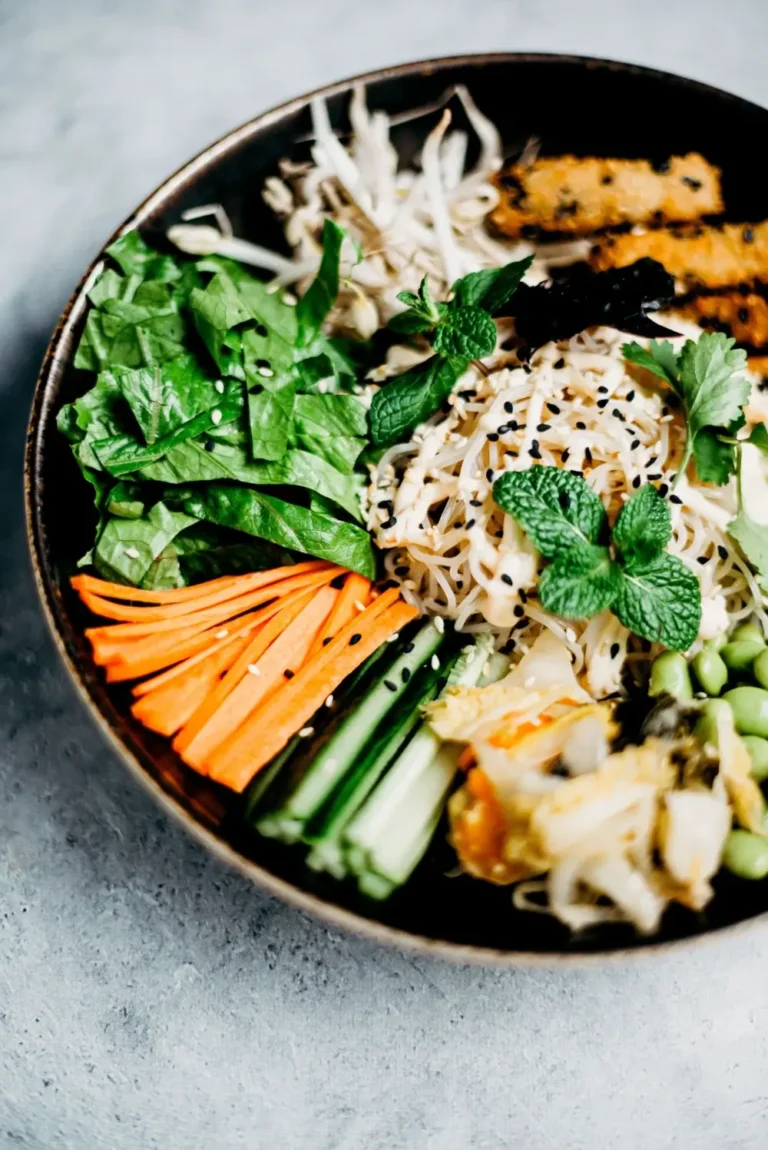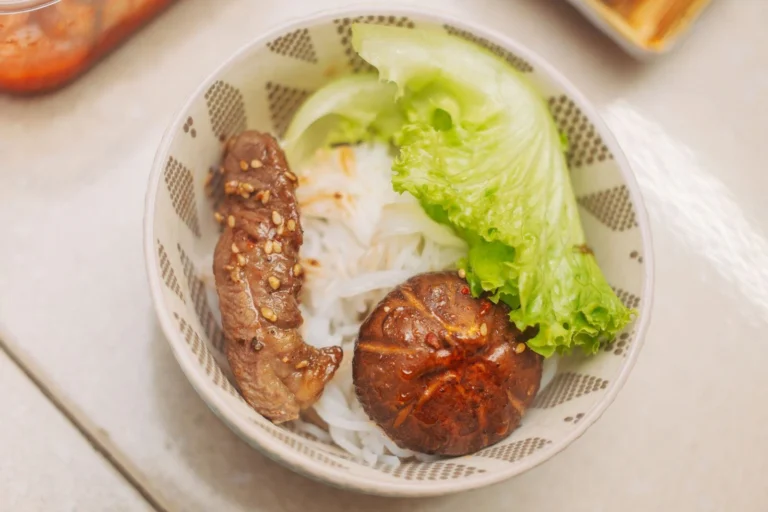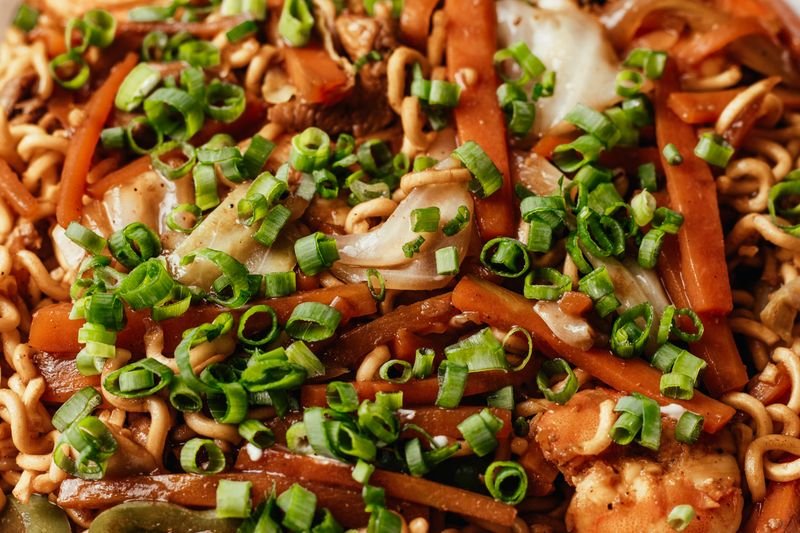
Soak glass noodles in warm water for 8 to 10 minutes rather than boiling, and toss them with a little oil straight after draining. Boiling them like pasta is what usually turns a pack of vermicelli into a sticky clump.
Glass noodles, also called cellophane or bean thread noodles, are made from mung bean or sweet potato starch rather than wheat. They turn clear when cooked, which is where the name comes from.
The soaking method
- Place the dry noodles in a heatproof bowl and cover with warm, not boiling, water.
- Leave to soak for 8 to 10 minutes, until soft and translucent.
- Drain well and snip into shorter lengths with scissors if they are very long.
- Toss with a small drizzle of oil straight away, so they do not stick together while you finish the rest of the dish.
Why they clump
Glass noodles are very starchy and have almost no structure of their own once soft, so they stick to each other fast as they cool. Boiling them, leaving them to sit wet, or skipping the oil are the three most common causes.
Adding them to a stir fry
Soak them a little under, since they finish softening in the wok. Add them near the end of cooking along with the sauce, and toss constantly so they do not settle and stick to the pan.
Why glass noodles clump
Glass noodles, made from mung bean or sweet potato starch rather than wheat or rice flour, turn very sticky and clump together easily once cooked, more so than most other noodle types. This happens fastest as they cool, so the main fix is working with them quickly once soaked or boiled rather than leaving them to sit.
A splash of oil helps
Tossing the drained noodles with a small amount of sesame or neutral oil straight after draining coats the strands and stops them sticking to each other while you finish the rest of a dish. Cutting the noodles into shorter, more manageable lengths with scissors after cooking also makes them easier to toss through a stir-fry or salad evenly.
Frequently asked questions
Are glass noodles the same as rice noodles?
No. Glass noodles are made from mung bean or sweet potato starch, while rice noodles are made from rice flour. They look similar once cooked but have a different, chewier texture. A third option is shirataki noodles, which are made from konjac yam and are very low in calories and carbohydrates.
Can I cook glass noodles ahead of time?
They are best soaked just before using, since they turn soft and sticky if left sitting for long. If you must prep ahead, toss well with oil and keep them separated.