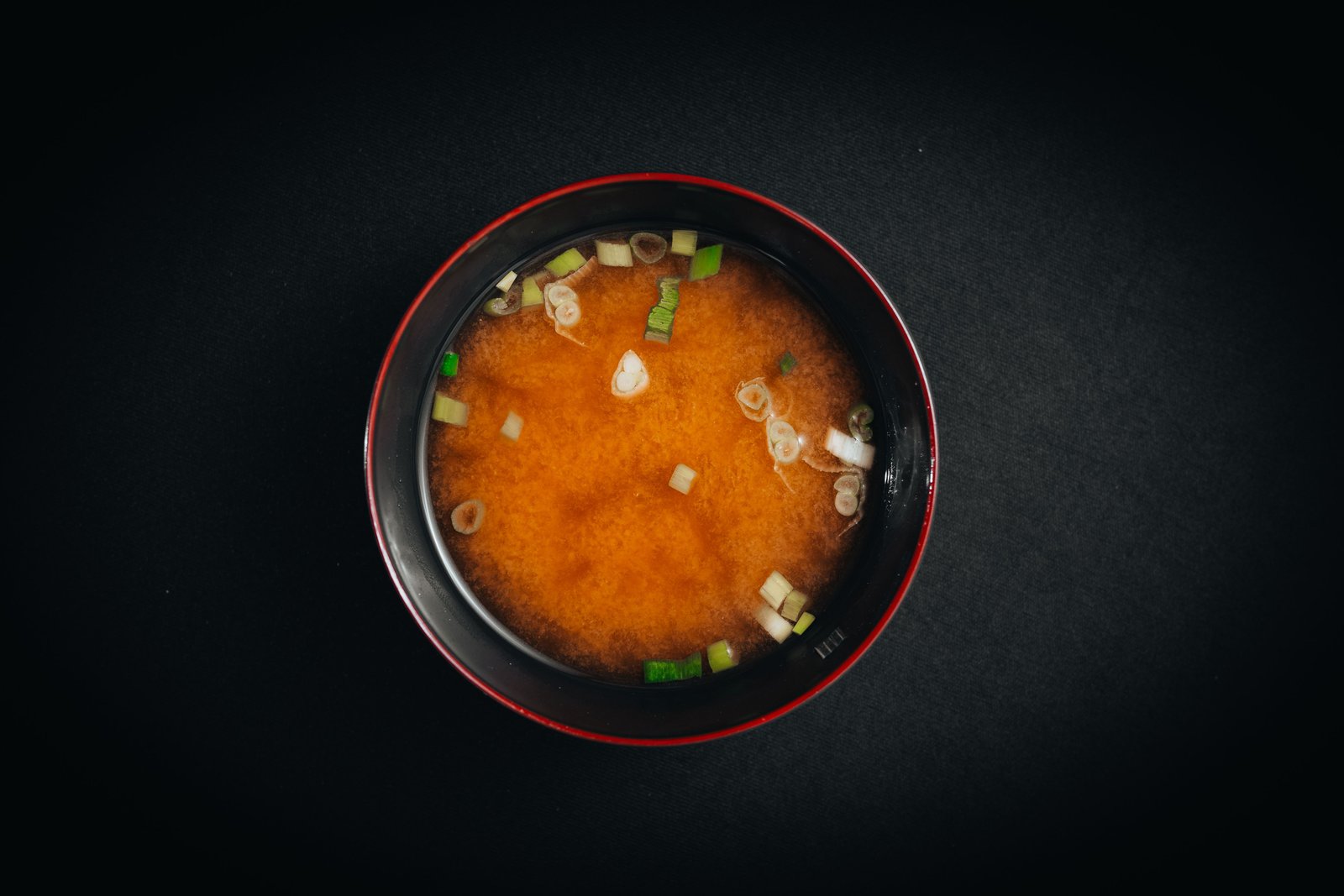
Umami is the savoury, mouth-filling taste alongside sweet, sour, salty and bitter, and it is central to why good stock, soy sauce and dashi taste so satisfying. The word comes from Japanese, and the taste comes mainly from glutamate, a compound naturally present in foods like tomatoes, mushrooms, cheese and seaweed.
Where umami comes from in cooking
FAQ
Is umami the same as MSG?
No, umami is the taste itself, while MSG is one specific ingredient that delivers it in concentrated form.
Can I add umami without using MSG or fish sauce?
Yes, mushrooms, tomatoes, parmesan and a well-made stock all bring natural umami to a dish.
Shop this
Some links on this page are affiliate links. If you buy through them we may earn a small commission, at no extra cost to you.
- Kombu. Dried kelp, one of the richest natural sources of umami.