MSG, or monosodium glutamate, is a flavour enhancer that adds umami, and is safe to eat for the vast majority of people. It occurs naturally in foods like tomatoes, parmesan and mushrooms, and the manufactured version used in cooking is chemically the same compound.
MSG has a reputation problem going back decades, largely from a single unverified 1968 letter, but modern food safety bodies including the FSA and FDA class it as safe within normal cooking amounts.
What MSG actually does
It amplifies savoury, umami flavour, the same effect you get from soy sauce, parmesan or a good stock. A small pinch rounds out a dish without adding a flavour of its own.
Is it safe?
Major food safety authorities, including the FSA in the UK and the FDA in the US, list MSG as safe for the general population. A small number of people report sensitivity with symptoms like headache after large amounts, though controlled studies have struggled to consistently reproduce this effect.
Where it is used
- Stock powders and bouillon cubes.
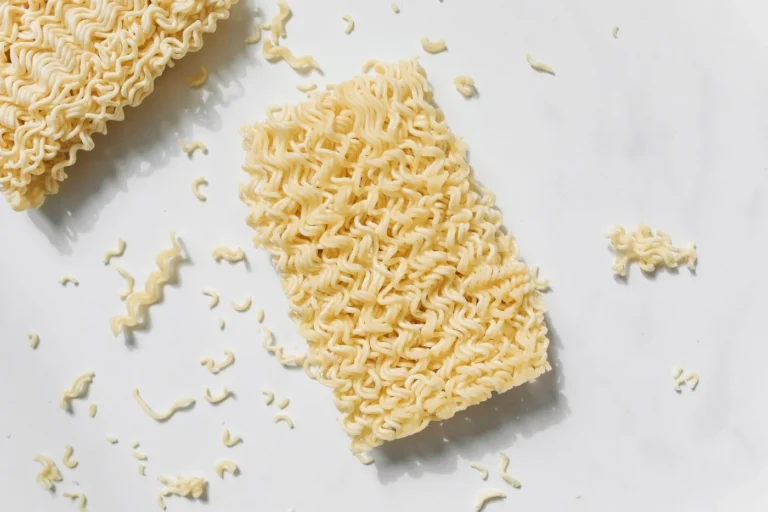
- Many instant ramen and noodle seasoning sachets.
- Some soy sauces and stir fry sauce mixes.
- Added directly by some cooks as a seasoning, the same way salt is used.
Why MSG has a bad reputation
MSG (monosodium glutamate) is a purified form of glutamate, a compound found naturally in tomatoes, parmesan, mushrooms and many fermented foods. The idea that it causes headaches or other symptoms, sometimes called Chinese Restaurant Syndrome, traces back to a single 1968 letter to a medical journal, and large, controlled studies since have not found a consistent link between MSG and these symptoms in the general population.
Where it naturally occurs
Foods already rich in natural glutamate, such as parmesan, soy sauce, mushrooms and ripe tomatoes, taste savoury for the same underlying reason a dish seasoned with MSG does. Adding pure MSG is essentially concentrating the same flavour compound rather than introducing something foreign to how food naturally tastes.
How to use MSG in your cooking
- A small pinch goes a long way. Start with about a quarter teaspoon for a dish that serves four.
- Add it with the salt, and reduce the salt slightly, as MSG also adds some saltiness.
- It works well in soups, stews, stir fries, fried rice, marinades and dressings.
- It does not help much in sweet dishes or dishes already high in umami.
Buying MSG in the UK
MSG is sold in Chinese and Asian grocers, often under the brand Ajinomoto or labelled as gourmet powder or flavour enhancer. Some UK supermarkets now stock it in the world food or spice aisle. On ingredient labels in the UK and EU it may appear as E621.
Frequently asked questions
Does MSG cause headaches?
A small number of people report this, sometimes called MSG symptom complex, but large controlled studies have not consistently confirmed a link at normal food amounts.
Is MSG natural or artificial?
It is the same compound found naturally in foods like tomatoes and cheese. Manufactured MSG is usually produced by fermenting starch, similar to how yoghurt or vinegar is made.