Fresh and frozen udon noodles need only one to two minutes in boiling water, since they are already cooked and just need reheating. Dried udon takes longer, usually eight to ten minutes, and needs a full boil from raw. Using the wrong time for the type you have is the most common reason udon turns mushy or stays too firm.
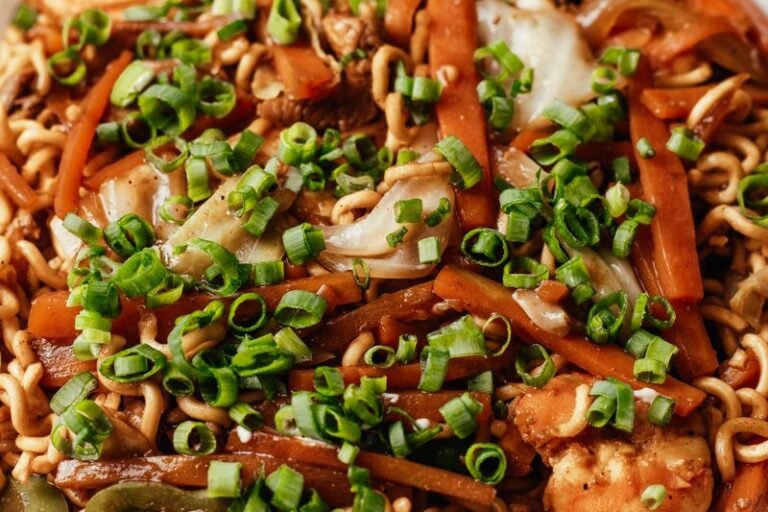
Udon is sold in three main forms in the UK, and each behaves differently in the pan. This guide covers all three, plus how to stop the noodles sticking together. Any of the three works in a plain bowl of kake udon or a quick yaki udon stir fry.
Fresh udon noodles
Fresh udon is sold vacuum packed, usually in the chilled section of an Asian supermarket. Drop the noodles into boiling water and separate them gently with chopsticks. They need only one to two minutes, since they are already cooked. Drain and rinse briefly under cold water to stop them cooking further and to wash off surface starch.
Frozen udon noodles
Frozen udon goes straight into boiling water without thawing first. It takes slightly longer than fresh, usually two to three minutes, since the noodles need to thaw and heat through. Separate them with chopsticks as soon as they go in, since frozen blocks can otherwise cook unevenly.
Dried udon noodles
Dried udon needs a full boil, similar to dried pasta. Cook in plenty of boiling water for eight to ten minutes, checking a minute or two before the pack time is up. Drain and rinse under cold water to remove excess starch, which otherwise makes the broth cloudy and the noodles stickier than they should be.
Cooking times compared
| Type | Cook time | Notes |
|---|---|---|
| Fresh udon | 1 to 2 minutes | Already cooked, just reheating |
| Frozen udon | 2 to 3 minutes | No need to thaw first |
| Dried udon | 8 to 10 minutes | Check pack for exact time |
Where to buy udon noodles in the UK
Dried udon is the easiest to find, sold in the world food aisle of most large UK supermarkets, usually near the soba and ramen. Fresh, vacuum-packed udon (the kind that just needs a quick loosen in hot water rather than a full boil) is less universal, but Tesco, Sainsbury’s and Waitrose all carry it in their world food chiller in larger stores, and Japanese grocers stock it as standard. Frozen udon is the least common of the three in a mainstream UK supermarket, and is more of an Asian grocer or online item.
Common mistakes when cooking udon
- Treating fresh (pre-cooked) udon like dried, and boiling it for eight minutes. It only needs a minute or two, since it is already cooked and just needs reheating.
- Not separating the noodles before they go in the pan, so they cook in one solid block.
- Skipping the rinse after boiling dried udon, which leaves them starchy and prone to sticking together.
FAQ
Do I need to rinse udon noodles after cooking?
Yes, especially dried udon. A brief rinse under cold water removes surface starch and stops the noodles sticking together.
Can I cook udon noodles in the microwave?
Fresh or frozen udon can be heated in a covered bowl with a splash of water, though boiling gives a more even result.
Why are my udon noodles gluey?
This usually means they were overcooked or not rinsed after draining. Check the time for your specific type and rinse briefly once drained.
Can I use udon noodles cold in a salad?
Yes. Cook as normal, then rinse thoroughly under cold water until the noodles are completely cool before dressing.
Put your udon to use in a stir fry, following the same pan method as our chicken chow mein recipe. For a lighter dish, our quick kimchi noodles recipe uses a similar noodle base.