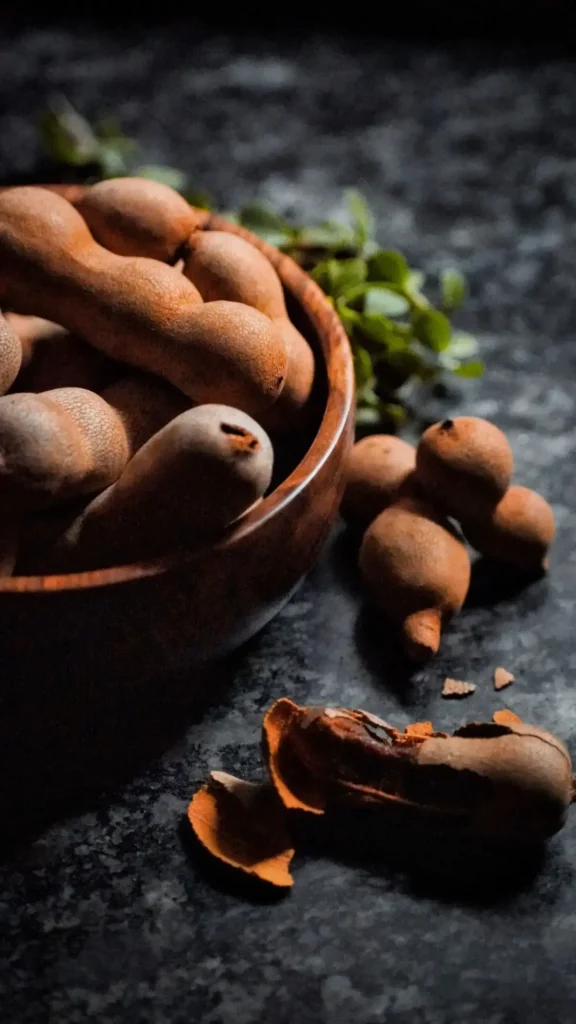
Tamarind is a sour, slightly sweet pod fruit used across Thai, Indian and other South and Southeast Asian cooking. Most UK shops now sell it as a ready made paste, which saves the old job of soaking and straining a block.
Where to find it
Tamarind paste is usually in the world food aisle, near Thai curry pastes. Larger stores sometimes keep the dried block with the Indian ingredients instead, so check both places.
A Thai, Indian or Chinese grocer stocks a wider range of formats, including the block, which costs less per use. This is the better trip if tamarind is a regular ingredient for you.
Paste, block or concentrate
A jar of paste or concentrate is ready to use and needs no soaking. A block has a deeper flavour, but you need to soak and strain it, which is worth it for a large batch. Powder is rare in UK shops and is mostly used in spice blends.
What to check on the label
Check whether sugar or salt has been added. Pure tamarind paste has neither, so the ingredients list should show tamarind and not much else.
Storage
Once opened, keep the jar in the fridge and check the label for how long it lasts. Tamarind paste keeps much longer than fresh tamarind pods.
For a dish that uses it, try our chicken pad thai. For other pastes to use alongside it, see our guide to Thai curry paste and our laksa paste guide.