A bubbling, spicy Korean stew built on silken tofu, gochugaru and a cracked egg stirred in at the end.
Sundubu jjigae
- 1 tube silken tofu
- 100 g pork or prawns (optional)
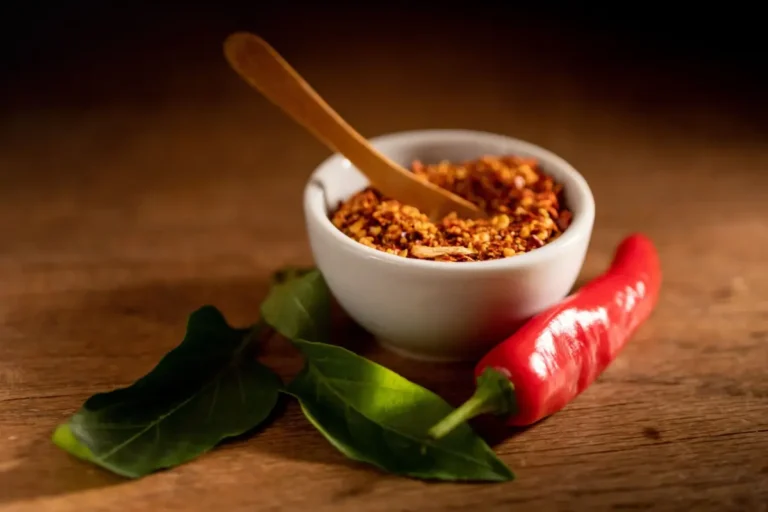
- 2 tbsp gochugaru
- 1 tbsp gochujang
- 2 cloves garlic, chopped
- 1/2 onion, sliced
- 500 ml anchovy or vegetable stock
- 1 egg
- spring onion, to serve
- 1 tbsp sesame oil
- Heat the sesame oil in a pot and fry the garlic and onion until fragrant.
- Add the pork or prawns, if using, and cook through.
- Stir in the gochugaru and gochujang, frying briefly.
- Add the stock and bring to a simmer.
- Spoon in the silken tofu in large, roughly broken chunks, and simmer for 5 minutes.
- Crack in the egg just before serving, and top with spring onion.
What is sundubu jjigae?
Sundubu jjigae is a bubbling Korean stew built around extra soft, unpressed tofu (sundubu). The tofu sits in a spicy red broth made with gochugaru, garlic and stock, often with seafood or pork, and an egg is cracked in just before serving.
It is usually cooked and served in a small stone or clay pot (ttukbaegi) so it reaches the table still boiling. It is eaten with a bowl of rice and side dishes.
Ingredient notes and UK swaps
- Tofu: Korean sundubu comes in tubes in Korean grocers. Silken tofu from UK supermarkets is the closest swap.
- Gochugaru: Korean chilli flakes give heat and colour. Fried in oil first, they make a red chilli oil that flavours the stew.
- Protein: clams, prawns, mussels or thin sliced pork. Mushrooms work for a vegetarian stew.
- Stock: anchovy and kelp stock is traditional. Chicken or vegetable stock works fine.
Serving
Serve straight away in the pot with rice and kimchi. Break up the tofu with your spoon and mix the egg yolk through the broth as you eat. The stew is best fresh, as the tofu breaks down if reheated many times.
Tips for the best sundubu jjigae
- Do not stir too much once the tofu goes in, since silken tofu breaks apart easily.
- The stew should still be bubbling when you crack in the egg, so it poaches gently rather than scrambling.
Timing the egg
Crack the egg in only once the stew is genuinely bubbling, and serve immediately after, it should still be gently cooking in the residual heat when it reaches the table, an egg added too early or left sitting too long loses the soft, just-set texture the dish is known for.
Frequently asked questions
Can I make sundubu jjigae vegetarian?
Yes, use vegetable stock and leave out the pork or prawns, the tofu and gochugaru still carry plenty of flavour.
What can I use instead of silken tofu?
Soft or medium tofu works, though the texture will be less delicate than the traditional silken version.
Do I need a stone pot?
No. A small saucepan works well. A stone pot keeps the stew hot for longer at the table.