Thick wheat noodles tossed in a dark, savoury black bean sauce with pork and vegetables, a Korean-Chinese comfort food classic.
Jjajangmyeon
- 400 g fresh thick wheat noodles (or udon)
- 200 g pork shoulder, diced small
- 4 tbsp chunjang (Korean black bean paste)
- 1 onion, diced
- 1 courgette, diced
- 2 potatoes, diced small
- 2 tbsp oil
- 1 tbsp sugar
- 400 ml water
- 2 tbsp cornflour mixed with 4 tbsp water
- Fry the chunjang in oil over low heat for a couple of minutes to mellow its raw flavour, then set aside.
- In the same pan, brown the pork over medium-high heat.
- Add the onion, potato and courgette, and stir-fry for a few minutes.
- Stir in the fried chunjang and sugar, then add the water and simmer for 10 minutes until the vegetables are tender.
- Stir in the cornflour slurry and simmer until the sauce thickens.
- Cook the noodles according to the pack, drain, and top with the sauce to serve.
What is jjajangmyeon?
Jjajangmyeon is thick wheat noodles topped with a glossy black bean sauce of pork, onion and courgette. It was created by Chinese immigrants in Korea and is now one of the most ordered takeaway dishes in the country.
The sauce is rich, savoury and a little sweet rather than spicy. In Korea it is often eaten on 14 April, Black Day, by single people.
Ingredient notes and UK swaps
- Chunjang: Korean black bean paste, sold in tubs in Korean grocers. Chinese black bean sauce is not the same and tastes saltier.
- Noodles: fresh Korean jjajangmyeon noodles are best. Fresh udon or thick wheat noodles are good swaps.
- Pork: pork belly or shoulder in small cubes.
- Vegetables: onion, courgette and potato are classic. Cabbage also works.
Serving and storing
Serve the sauce over the noodles with thin sliced cucumber on top and yellow pickled radish (danmuji) on the side. The sauce keeps for 3 days in the fridge or 2 months in the freezer. Cook the noodles fresh each time.
Tips for the best jjajangmyeon
- Frying the chunjang in oil first is what takes the edge off its raw bitterness, do not skip this step.
- Dice the vegetables small and even, so they cook through at the same rate as the pork.
Frying the paste properly first
Frying the chunjang in oil on its own before adding anything else is what takes the raw, slightly bitter edge off it, this step should not be rushed or skipped even though it adds a few extra minutes to the process.
Frequently asked questions
What is chunjang?
A fermented black soybean paste used in Korean-Chinese cooking, distinct from the Chinese doubanjiang or black bean sauce used elsewhere on this site.
Can I use udon noodles instead of the traditional noodles?
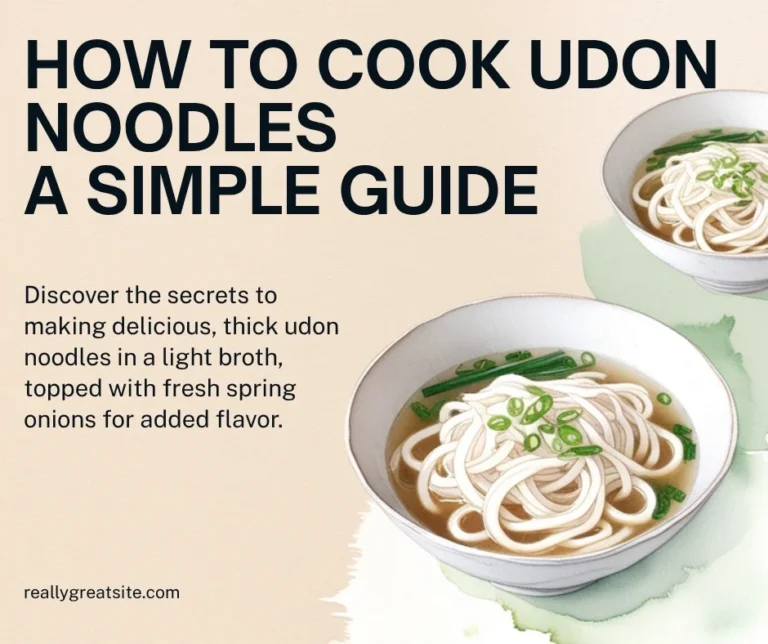
Yes, thick udon noodles are a reasonable substitute if you cannot find the specific wheat noodles.
Is jjajangmyeon vegetarian?
Not usually, but you can make it with mushrooms and tofu in place of pork. Check the chunjang label for any animal products.