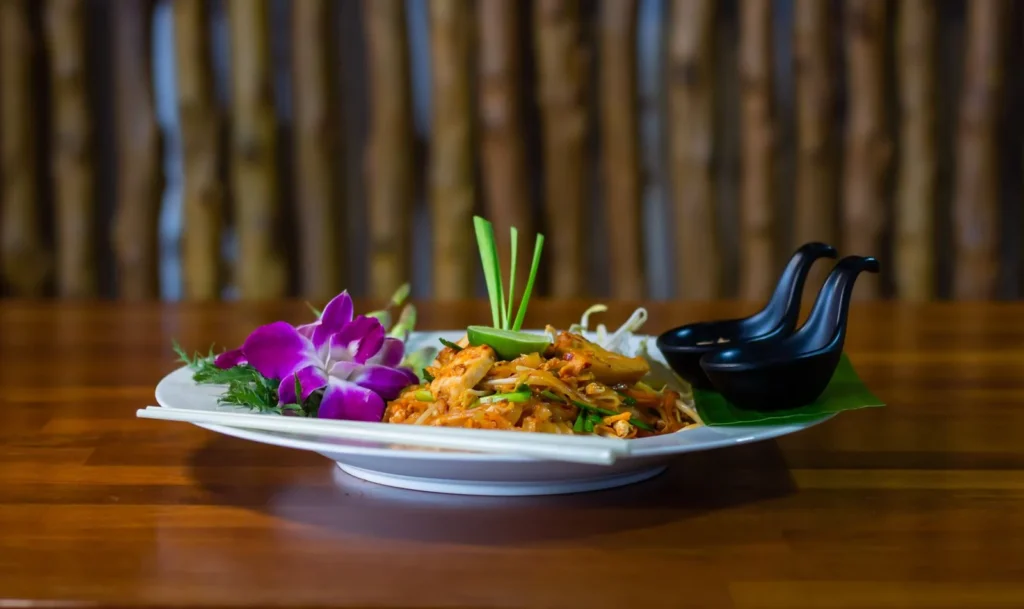
Chicken pad thai lives or dies on the sauce. Most UK recipes either water the flavour down or send you hunting for a tamarind block you will use once and never again. The version below uses tamarind concentrate, sold in a jar, and gets the sweet, sour and salty balance right first go.
The full chicken pad thai recipe
Follow the recipe card below for exact amounts and timing. The sections after cover the sauce ratio, sourcing and the noodle technique in more depth.
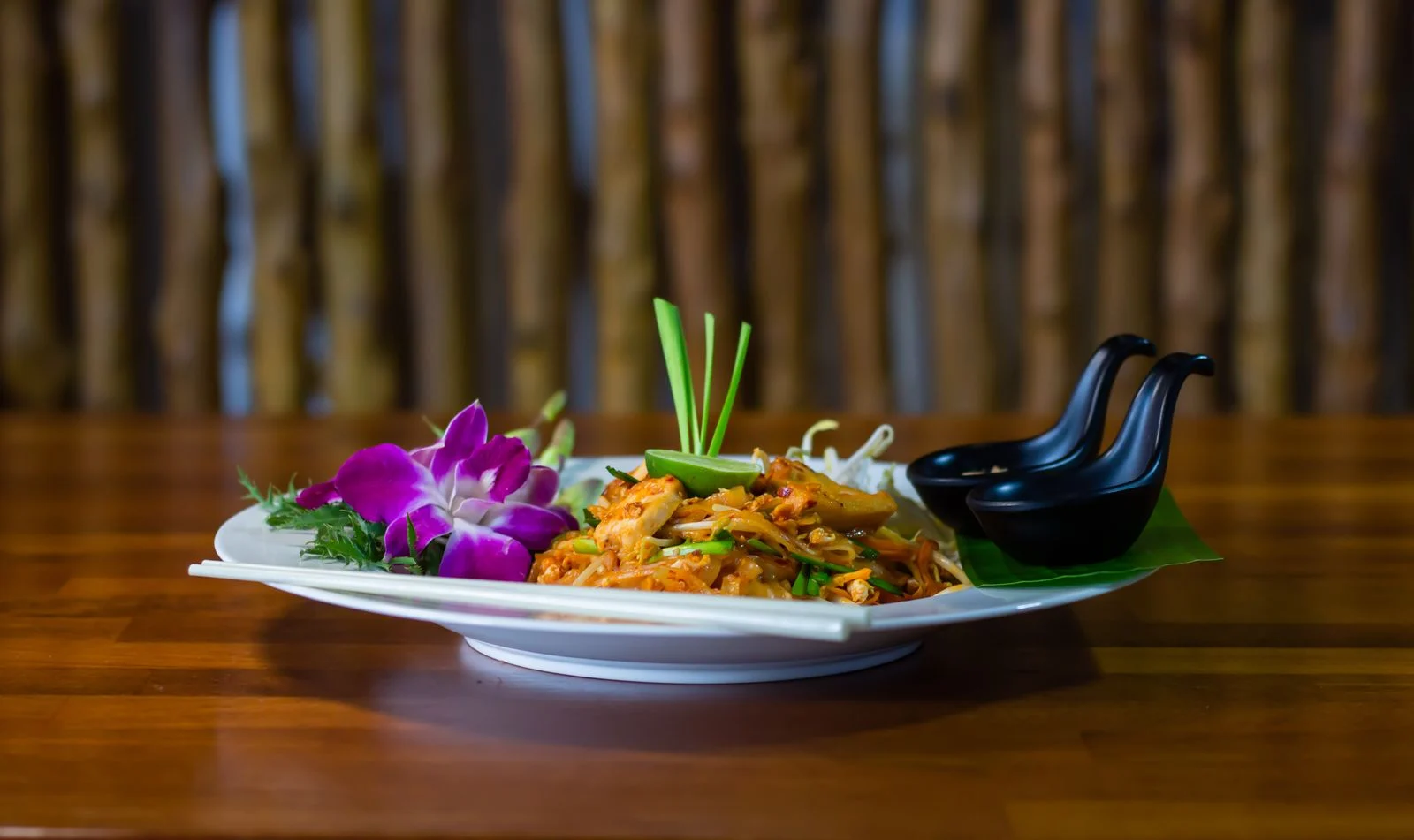
Chicken pad thai
Ingredients
Method
- Soak the noodles in warm water for 20 to 30 minutes until pliable, or follow the packet timing. Drain well.
- Whisk the tamarind concentrate, fish sauce, brown sugar and rice vinegar in a small bowl. This is the sauce.
- Heat 1 tbsp oil in a wok over a high heat. Add the chicken and stir-fry for 4 to 5 minutes until cooked through. Remove and set aside.
- Add the remaining oil, then the garlic. Stir-fry for 15 seconds.
- Push everything to one side, pour in the eggs and scramble for 30 seconds, then mix through.
- Add the drained noodles and the sauce. Toss constantly for 2 to 3 minutes until the noodles soften and coat evenly.
- Return the chicken to the wok, add the beansprouts and half the spring onions. Toss for 1 minute.
- Serve topped with the peanuts, remaining spring onions and lime wedges.
Notes
Why this recipe works
- Tamarind concentrate comes ready to use straight from the jar, with no block to soak, mash and strain.
- The sauce gets mixed before cooking starts, so nothing burns while measurements happen mid-stir-fry.
- Chicken cooks first and comes back at the end, so the meat stays juicy rather than turning rubbery in the sauce.
- Noodles go in with the sauce rather than after, so every strand picks up flavour instead of a coating on top.
What is pad thai made of?
Pad thai is a Thai stir-fried noodle dish built on flat rice noodles, a protein such as chicken, prawns or tofu, egg, beansprouts and spring onion. The sauce carries tamarind for sourness, fish sauce for salt, and sugar for sweetness. Crushed peanuts and a lime wedge finish the dish at the table.
Getting the sauce ratio right
The three core flavours need to stay roughly equal, with vinegar in a supporting role.
| Flavour | Ingredient | Ratio (parts) |
|---|---|---|
| Sour | Tamarind concentrate | 2 |
| Salty | Fish sauce | 2 |
| Sweet | Soft light brown sugar | 2 |
| Sharp | Rice vinegar | 1 |
Taste the sauce on its own before adding it to the wok. It should taste too strong by itself, since the noodles and beansprouts dilute the flavour once everything comes together.
Where to find tamarind and fish sauce in the UK
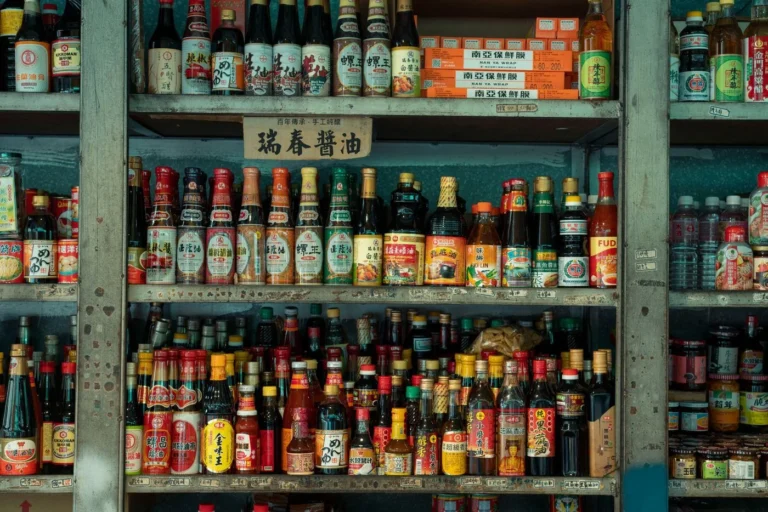
Tamarind concentrate sits in the world food aisle of most large supermarkets, next to the curry pastes, usually in a small jar or squeeze bottle. Asian grocers stock a wider range, including the block form, but the jar is easier for a first attempt and keeps in the fridge for months. Fish sauce is now a standard supermarket item too, though the quality jumps up a level from an Asian grocer.
How to stop the noodles turning gluey
Soak rather than boil. Boiling water cooks the noodles too far before the wok gets a chance to finish them, and the result turns soft and sticky rather than springy. Warm tap water and 20 to 30 minutes does the job gently. Our guide on how to cook rice noodles without them going sticky covers the timing for other noodle widths too.
What to serve with chicken pad thai
- Extra lime wedges and crushed peanuts on the side, so everyone can adjust their own plate
- A small pile of dried chilli flakes for anyone who wants heat
- Prawn crackers or a light cucumber salad, to keep the rest of the meal simple
Frequently asked questions
Can I use tamarind paste instead of concentrate?
Yes, though tamarind paste from a block needs soaking in hot water, mashing and straining first. Tamarind concentrate skips that step entirely and works well as a straight swap, spoon for spoon.
Is chicken pad thai gluten free?
Usually, since rice noodles carry no gluten. Check the fish sauce label, as a few brands add wheat, and confirm the tamarind concentrate has no additives beyond tamarind and water.
Can I make pad thai vegetarian?
Swap the chicken for cubed firm tofu, pressed and pan-fried until golden before the noodles go in. Replace the fish sauce with light soy sauce plus a small squeeze of lime, since soy alone reads flatter on its own.
Why do my noodles clump together in the wok?
Undersoaked noodles stick to each other and to the pan. Give the noodles the full soaking time, drain well, and keep the wok moving constantly for the first minute after they go in.
Shop this
Some links on this page are affiliate links. If you buy through them we may earn a small commission, at no extra cost to you.
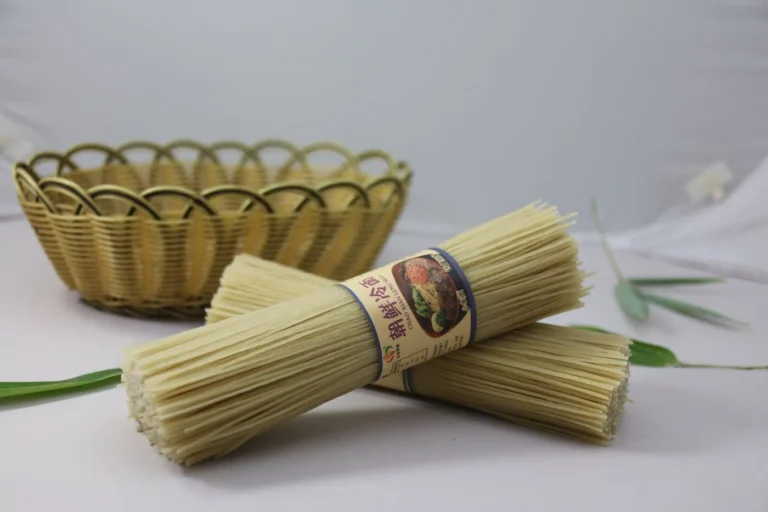
- Flat rice noodles. The right width for pad thai. Soak, do not boil.
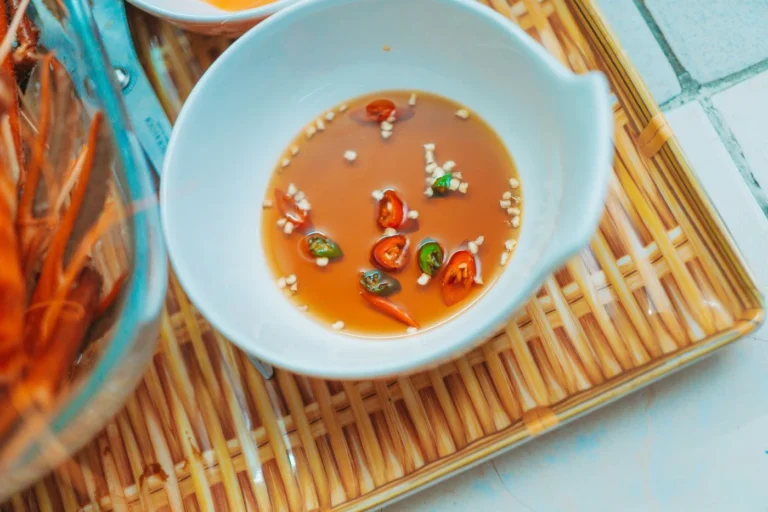
- Fish sauce. Needed for the real flavour in the sauce.