Some links on this page are affiliate links. As an Amazon Associate, The Asian Larder earns from qualifying purchases, at no extra cost to you.
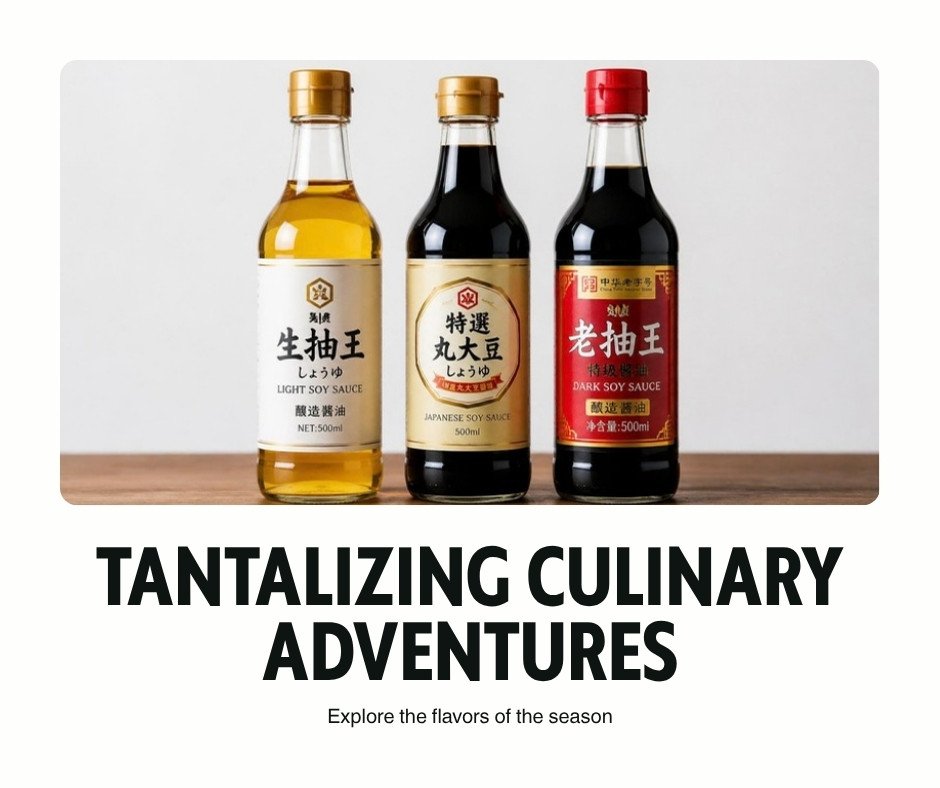
There is no single best soy sauce, because light and dark soy sauce do different jobs. Light soy sauce is the everyday seasoning bottle: thin and salty. Dark soy sauce is thicker, slightly sweet, and used mainly for colour and depth. Most kitchens need both.
The bottles look alike on a UK shelf, and the labels are not always helpful. Here is what each type is for, which brands are worth buying here, and what to check on the back of the bottle.
Light soy sauce
This is the everyday bottle. Thinner and saltier than dark, with a clean, sharp flavour. Use it for stir-fries, dipping sauces, marinades, and seasoning at the table. Most recipes that simply say soy sauce mean this one.
Pearl River Bridge Superior Light Soy Sauce and Lee Kum Kee Premium Soy Sauce are both reliable and widely sold in Asian grocery shops and online.
Dark soy sauce
Thicker, less salty, and slightly sweet, often with added caramel or molasses. It adds a rich colour to braised meats, noodles and fried rice, and is used in smaller amounts. You would not use it as a dipping sauce. It works alongside light soy sauce in many Chinese recipes rather than replacing it.
Pearl River Bridge Superior Dark Soy Sauce is a solid, widely available choice.
Japanese style bottles
Kikkoman is the most common Japanese style option in UK supermarkets. It is milder and slightly sweeter than most Chinese light versions, and it is the one to use when a recipe specifies Japanese soy sauce rather than Chinese.
Tamari
A Japanese bottle brewed with little or no wheat, so it suits gluten-free cooking. The flavour is deeper and rounder than Chinese light soy sauce, and it works well in Japanese-style dressings and dipping sauces. Kikkoman Tamari is easy to find in supermarkets and health food shops.
Kecap manis, the sweet Indonesian kind
An Indonesian version, thick and very sweet, almost syrupy. It is used in dishes such as nasi goreng and as a glaze for grilled meats. Do not treat it as a substitute for the regular kind, because the sweetness will throw off most Chinese recipes. ABC is the most common brand in UK Asian supermarkets.
Soy sauce types compared
| Type | Colour and body | Best for |
|---|---|---|
| Light soy sauce | Thin, pale brown | Everyday seasoning, stir-fries, dipping sauces |
| Dark soy sauce | Thick, near black | Colour and depth in braises and fried rice |
| Japanese style (Kikkoman) | Medium, balanced | Japanese recipes, milder dishes |
| Tamari | Medium, rounder | Gluten-free cooking, Japanese dressings |
| Kecap manis | Thick, syrupy, dark | Nasi goreng, glazes for grilled meat |
| Low sodium | Thin, pale | Reduced salt cooking |
What to check on the label
- Naturally brewed, not chemically hydrolysed. A naturally brewed bottle lists soybeans, wheat, salt and water, and little else. Hydrolysed vegetable protein on the label points to the faster, cheaper process and a flatter taste.
- Light or dark. Recipes usually specify one, and the bottles look similar at a glance.
- Sodium content, if you are cooking low salt. It varies noticeably between brands.
- Wheat, if you are avoiding gluten. Most soy sauce contains it; tamari is the exception.
What to buy first
If you are building an Asian pantry from scratch, buy one bottle of light soy sauce and one of dark. Those two cover most Chinese and Southeast Asian recipes. Add tamari if you cook a lot of Japanese food or need it gluten free, and kecap manis if you enjoy Indonesian or Malaysian dishes.
Buy from Asian grocery shops where you can. The bottles are larger, the range is wider, and the price per litre is usually well below the supermarket version.
Soy sauce substitutes: what to use instead
Tamari is the closest substitute for soy sauce, since it is made the same way but with little or no wheat, and works in almost any recipe at a 1:1 ratio. Worcestershire sauce, thinned with a little water, is a reasonable stand-in when soy sauce isn’t available at all.
The best substitutes
- Tamari. Near-identical flavour, and gluten-free. The easiest direct swap.
- Coconut aminos. Milder and slightly sweeter, but a good gluten-free and lower-sodium option.
- Worcestershire sauce, diluted. Different flavour profile but brings a similar salty depth in a pinch.
- Fish sauce, used sparingly. Much stronger, so use about half the amount and taste as you go.
Light vs dark soy sauce
Most recipes calling simply for “soy sauce” mean light soy sauce, which is saltier and thinner. Dark soy sauce is aged longer, thicker, and used more for colour and deeper flavour in braises. Substitutes above are closest to light soy sauce.
Tamari as the closest substitute
Tamari is the closest substitute for soy sauce in both flavour and use, since it is essentially a wheat-free soy sauce, and swaps in at the same quantity in almost any recipe, useful for anyone avoiding gluten rather than avoiding soy sauce for another reason.
Coconut aminos for a lighter, sweeter option
Coconut aminos, made from coconut sap, give a similar savoury base but noticeably sweeter and milder than soy sauce, and usually need a pinch of extra salt to fully replace soy sauce’s seasoning role in a dish.
How to store it
A cool, dark cupboard is fine, tightly capped. The salt content keeps it stable for around a year after opening, though the flavour dulls slowly after that. Refrigerating it after opening slows that down and is worth doing if you use it rarely.
Frequently asked questions
What is the difference between light and dark soy sauce?
The light kind is thin, salty, and used for everyday cooking, seasoning and dipping. The dark kind is thicker, less salty and slightly sweet, and adds colour and depth to braised dishes and fried rice. They are not interchangeable.
Can I use dark soy sauce instead of light soy sauce?
No. The dark kind is far less salty and has a different flavour. Using it in place of the light kind makes a dish too sweet and too dark. Check which type the recipe specifies.
What is the best soy sauce brand in the UK?
Pearl River Bridge and Lee Kum Kee are the most reliable and widely available, both sold in most Asian grocery shops and online. Kikkoman is the easiest to find in ordinary supermarkets and is the right choice for Japanese recipes.
Is Kikkoman the same as Chinese soy sauce?
No. Kikkoman is Japanese style, milder and slightly sweeter than most Chinese light soy sauces such as Pearl River Bridge.
Is soy sauce gluten free?
Most of them contain wheat and are not gluten free. Tamari is the main exception. Check the label, as recipes vary by brand.
How long does it last once opened?
Around a year in a cool cupboard, thanks to the salt content. It does not spoil quickly, but the flavour fades. Check the bottle for the specific brand.
Is tamari suitable for anyone avoiding soy entirely?
No, tamari is still made from soybeans, it solves a gluten problem, not a soy allergy, coconut aminos is the better choice if soy itself needs avoiding.
Will coconut aminos taste noticeably different in a stir-fry?
Yes, it is milder and sweeter than soy sauce, most dishes benefit from an extra pinch of salt to compensate.
Shop this
- Pearl River Bridge light soy sauce. The everyday bottle for seasoning and dipping.
- Pearl River Bridge dark soy sauce. For braises, fried rice and colour.
- Kikkoman Tamari. Wheat-free, with a rounder, deeper flavour.
- ABC Kecap Manis. Indonesian sweet soy sauce for nasi goreng and glazes.