Some links on this page are affiliate links. If you buy through them we may earn a small commission, at no extra cost to you.
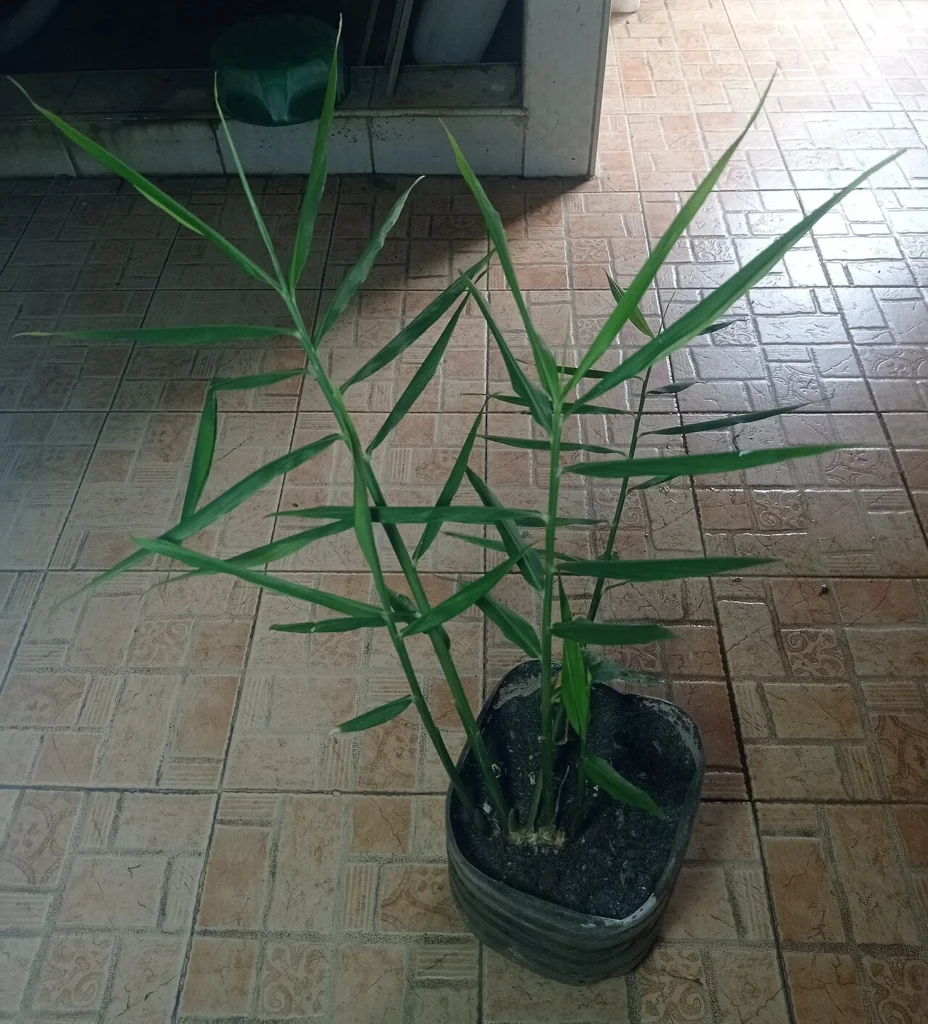
Lemongrass is citrus without the sourness. That is the bit most swaps get wrong.
The best lemongrass substitute
Use the zest of one lemon plus a thin slice of fresh ginger for every two stalks of lemongrass. The zest gives the citrus oil without the acidity of the juice, and the ginger covers the warm, slightly resinous note underneath. Add the zest late so it does not turn bitter.
Every substitute, ranked
- Lemon zest plus ginger. Zest of 1 lemon and a slice of ginger per 2 stalks. Closest overall.
- Lemongrass paste. The tube in the chiller aisle. Roughly 1 tsp per stalk, and the easiest swap of all.
- Dried lemongrass. About 1 tsp per stalk, soaked in warm water first. Weaker and flatter.
- Kaffir lime leaves. Two leaves per stalk. Different citrus, but right family and right cuisine.
- Lemon verbena. A handful of leaves. Fragrant and close, if you happen to grow it.
- Lemon zest alone. Works at a push. Thinner, with none of the warmth.
Lemon juice on its own is the one to avoid. Lemongrass is not sour, and juice adds acid the dish was not designed for.
What does lemongrass taste like?
Lemongrass tastes of lemon peel with a grassy, faintly gingery warmth behind it, and none of the sharpness of lemon juice. The flavour sits in the oils of the pale lower stalk. The tough green top has very little in it and usually gets discarded or used to flavour stock.
Swaps by dish
| Dish | Best swap |
|---|---|
| Thai curry paste | Lemongrass paste, or lemon zest plus ginger |
| Tom yum or tom kha soup | Kaffir lime leaves plus a strip of lemon peel |
| Marinades | Lemon zest and ginger, blitzed with the garlic |
| Stir fries | Lemongrass paste, added with the garlic |
| Bruised whole in a broth | A strip of lemon peel and a slice of ginger, lifted out later |
How to use fresh lemongrass properly
Trim the dry tip and the root end, peel off the tough outer layers, then use only the pale lower third. Bruise the stalk with the back of a knife to release the oils, and either bash it whole into a broth or slice it very finely for a paste. Sliced coarsely it is woody and unpleasant to chew.
Where to buy lemongrass in the UK
Most large supermarkets sell fresh stalks in the herb section, usually in packs of two or three. Asian grocers sell it loose and cheaper, and often fresher. Lemongrass paste sits in tubes near the herbs, and frozen chopped lemongrass keeps far better than fresh.
- Fresh stalks keep about two weeks in the fridge, wrapped.
- Whole stalks freeze well for months. Freeze them as bought.
- Dried lemongrass loses aroma fast. Buy small amounts.
Frequently asked questions
Can I use lemon juice instead of lemongrass?
No. Lemongrass is aromatic rather than sour, and juice adds acid that will unbalance the dish. Use the zest instead, which carries the oils without the acidity.
How much lemongrass paste equals one stalk?
About a teaspoon, though brands vary in strength. Start with a teaspoon per stalk called for, taste, and add more. Paste is milder than fresh, so you can be generous.
Can you freeze lemongrass?
Yes, and it is the best way to keep it. Freeze whole stalks in a bag and slice them from frozen. The texture softens but the aroma holds for months.
Do you eat the lemongrass stalk?
Only when it is finely sliced or pounded into a paste. Whole or roughly chopped pieces are woody, so bruise them, cook them in the dish and lift them out before serving.

Shop this
Some links on this page are affiliate links. If you buy through them we may earn a small commission, at no extra cost to you.
- Lemongrass paste. No stalks to peel or bruise, works straight from the jar.
- Dried lemongrass. Good in soups and stocks where texture does not matter.