Some links on this page are affiliate links. As an Amazon Associate, The Asian Larder earns from qualifying purchases, at no extra cost to you.
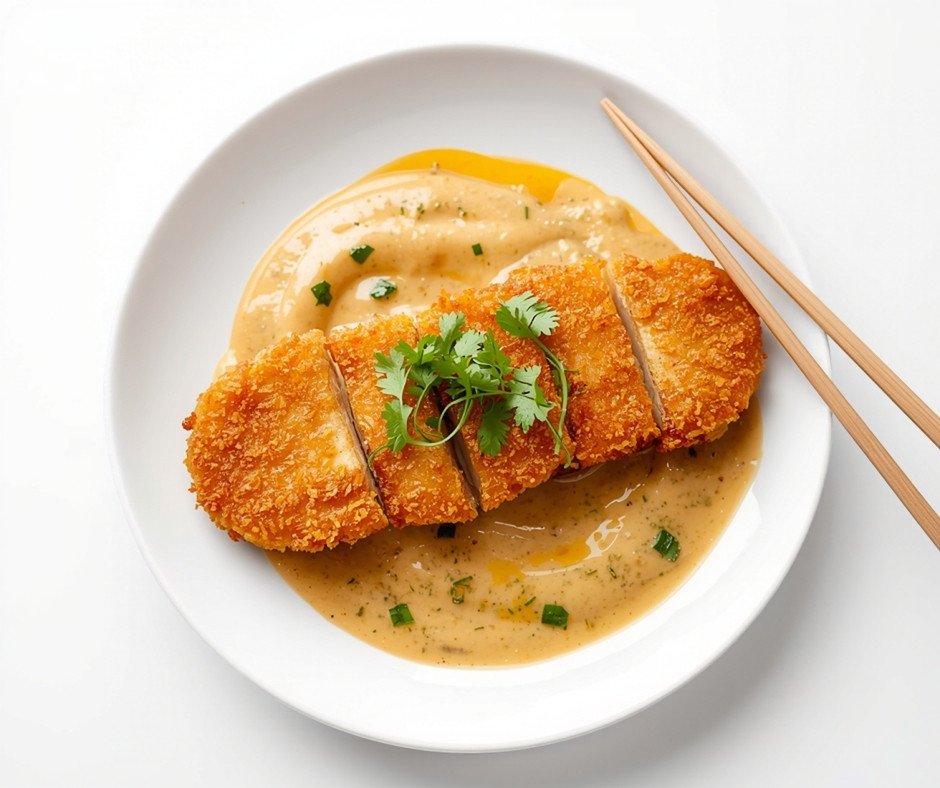
Chicken katsu curry is a Japanese dish of crispy panko-coated chicken served over steamed short-grain rice with a thick, mildly spiced sauce. The sauce is made from onion, carrot, garlic, Japanese curry powder, and stock, cooked down until smooth. The chicken goes through seasoned flour, beaten egg, and panko breadcrumbs before frying. Both the sauce and the chicken take about 30 minutes.
What is katsu curry?
Katsu curry is a Japanese dish, not a South Asian or Thai one. The word katsu comes from the Japanese word for a breaded, fried cutlet. The sauce is milder and sweeter than Indian or Thai curries, with a thick, glossy texture. The dish became popular in Japan in the late 19th century as part of yoshoku cooking, a tradition of adapting Western and Asian food into Japanese home cooking. It is now one of the most popular everyday dishes in Japan and well known in the UK through restaurants like Wagamama.
Ingredients (serves 2)
For the katsu sauce
- 1 medium onion, sliced
- 1 medium carrot, peeled and diced
- 2 garlic cloves, minced
- 1 teaspoon fresh ginger, grated
- 1 tablespoon neutral oil
- 1 tablespoon Japanese curry powder (S&B brand is widely available)
- 1 teaspoon plain flour
- 300ml chicken or vegetable stock
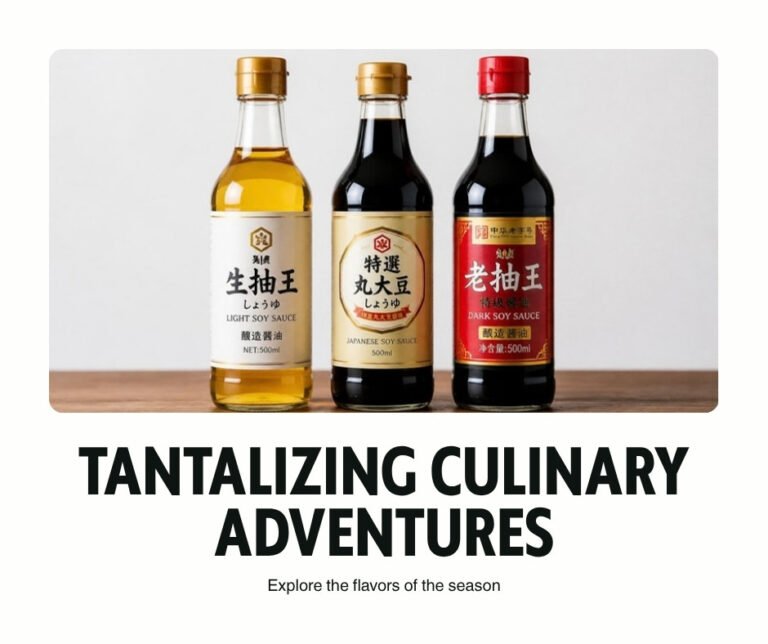
- 1 tablespoon soy sauce
- 1 teaspoon honey
- Salt to taste
For the chicken
- 2 chicken breasts
- 3 tablespoons plain flour, seasoned with salt and pepper
- 2 eggs, beaten
- 100g panko breadcrumbs
- Neutral oil for frying (enough for a 1cm depth in the pan)
To serve
- 200g Japanese short-grain rice, cooked
- Pickled ginger (optional)
How to make the katsu sauce from scratch
Make the sauce before the chicken so you can fry while it simmers.
Heat the oil in a saucepan over a medium heat. Add the onion and carrot and cook gently for 8 minutes, stirring occasionally, until softened. Add the garlic and ginger and cook for a further minute.
Add the curry powder and flour and stir to coat the vegetables. Cook for one minute. This step cooks out the raw flour and toasts the spices.
Pour in the stock and stir until smooth. Bring to a gentle simmer and cook for 10 minutes, stirring occasionally. Add the soy sauce and honey.
Blend the sauce with a stick blender until smooth. If the sauce is too thick, add a small amount of stock. If too thin, simmer for a few more minutes. The sauce should coat the back of a spoon and hold its shape when poured.
Note on roux blocks: If you want a quicker version, Japanese curry roux blocks (S&B Golden Curry or House Vermont Curry) replace the sauce above. Use two blocks dissolved in 350ml of stock with one sweated onion and one carrot.
How to bread and fry the chicken
Place the chicken breasts between two pieces of clingfilm and flatten with a rolling pin to an even thickness of around 1.5cm. Even thickness means the chicken cooks through at the same time as the outside browns.
Set up three shallow bowls: seasoned flour in the first, beaten egg in the second, panko in the third. Coat each piece of chicken in flour, shaking off the excess. Dip in the egg, letting any excess drip off. Press firmly into the panko on both sides until fully coated.
Pour neutral oil into a frying pan to a depth of about 1cm. Heat to 175C. If you do not have a thermometer, test with a pinch of panko: it should sizzle and turn golden within 30 seconds. Too slow means the oil is not hot enough and the coating will absorb oil rather than crisp.
Fry the chicken for 3 to 4 minutes per side until deep golden brown and cooked through. Do not overcrowd the pan. Rest on a wire rack, not kitchen paper, to keep the base crisp.
Tips for getting it right
Oil temperature is the most important variable. Too low and the coating goes greasy. Too high and the outside burns before the chicken is cooked. 175C is the right target.
Do not skip the resting stage. Two minutes on a wire rack after frying lets the crust settle and stay crisp when you slice it.
Slice the chicken at an angle before plating. Serve the rice on one side and the sliced chicken on the other. Pour the sauce over the rice and let it pool at the base of the chicken. Do not pour sauce over the chicken before serving or the crust softens.
Vegetarian version
Thick slices of aubergine (about 1.5cm) or cauliflower steaks work well. Use the same three-stage coating process. Fry at the same temperature for 3 to 4 minutes per side. Use vegetable stock in the sauce.
Can you make it ahead?
The sauce keeps in the fridge for up to three days and freezes well for up to three months. Reheat gently with a splash of water if too thick.
The breaded chicken is best fried fresh. You can bread the chicken up to four hours ahead and keep it uncovered in the fridge, which helps the coating set and stay on during frying.
Where to buy the ingredients in the UK
Panko breadcrumbs: most large supermarkets now stock Kikkoman or own-brand panko. Asian grocery shops stock larger bags at lower prices.
Japanese curry powder: S&B curry powder is available in Waitrose, Ocado, Japan Centre, and Wing Yip. It has a mild, rounded flavour distinct from Indian curry powder.
Japanese curry roux blocks: S&B Golden Curry and House Vermont Curry are available in most Sainsbury’s and Waitrose stores, and online from Japan Centre and Wing Yip.
Short-grain Japanese rice: available from Tesco, Sainsbury’s, Waitrose, and all Asian grocery shops. Look for brands like Yutaka or Koshi. See how to cook rice perfectly on the hob for the right method.
Frequently asked questions
What is katsu sauce made of?
Katsu sauce is a mild Japanese curry sauce made from sweated onion and carrot cooked with curry powder, flour, and stock, then blended smooth. A sweetener such as honey is added at the end. In Japan, most home cooks use pre-made curry roux blocks, which already contain the spice blend and a thickener.
What is the difference between katsu sauce and curry sauce?
Katsu sauce is a Japanese-style curry sauce. It is milder and sweeter than Indian curry sauces, with a thick, smooth texture. Standard curry sauce in the UK, such as the chip-shop version, is usually made from curry powder and onion but has a thinner consistency and a more savoury flavour.
Can I use regular breadcrumbs instead of panko?
You can, but the result will be different. Regular breadcrumbs produce a denser, softer coating. Panko creates a lighter, crunchier crust. If you cannot find panko, process stale white bread in a food processor until coarse and dry it in a low oven before using.
Is katsu curry gluten-free?
The standard recipe is not, because of the flour in the breading and the soy sauce in the sauce. Use gluten-free plain flour and tamari instead of soy sauce. Check the label on any curry roux blocks as many contain wheat flour.
What rice goes with katsu curry?
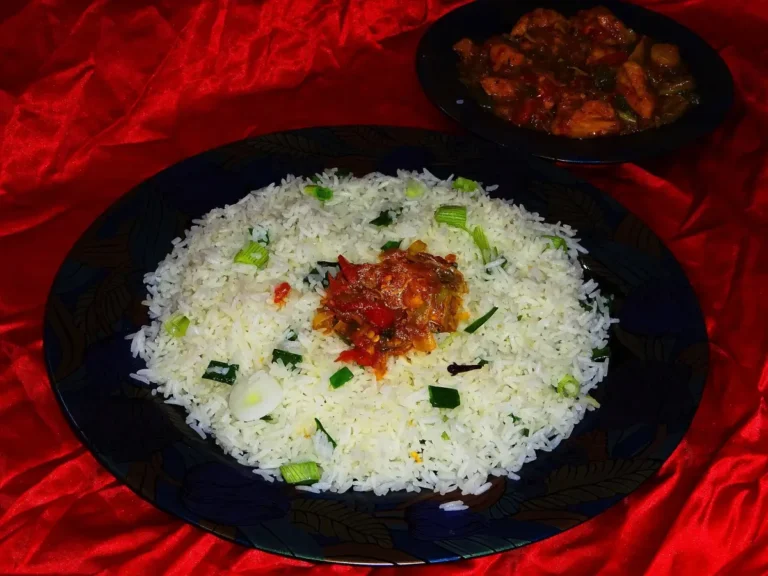
Japanese short-grain rice is the right match. It has a slight stickiness and subtle sweetness that works with the sauce. Long-grain or basmati rice is too dry and the grains stay too separate.
Shop this
- Panko breadcrumbs. The coarser crumb that gives katsu its signature crisp, light crust.
- S&B Japanese curry powder. Used in the from-scratch katsu sauce. Milder and more aromatic than Indian curry powder.
- S&B Golden Curry roux blocks. The quick-version sauce base used by Japanese home cooks. Available in mild, medium, and hot.
- Japanese short-grain rice. The right rice to serve with katsu curry. Stickier and slightly sweeter than long-grain.
- Kitchen thermometer. Takes the guesswork out of oil temperature. 175C is the target for frying the chicken.