Some links on this page are affiliate links. As an Amazon Associate, The Asian Larder earns from qualifying purchases, at no extra cost to you.
You do not need to fill an entire cupboard to start cooking good Asian food at home. A small set of core ingredients will get you through most Chinese, Japanese, and South-East Asian recipes. Once those are in place, you add more as you cook more.
This guide covers the essentials I would recommend to anyone starting from zero. I have kept it to ingredients you can find in most Asian grocery shops in the UK, and a few that are now stocked in larger supermarkets too.
Sauces and liquids
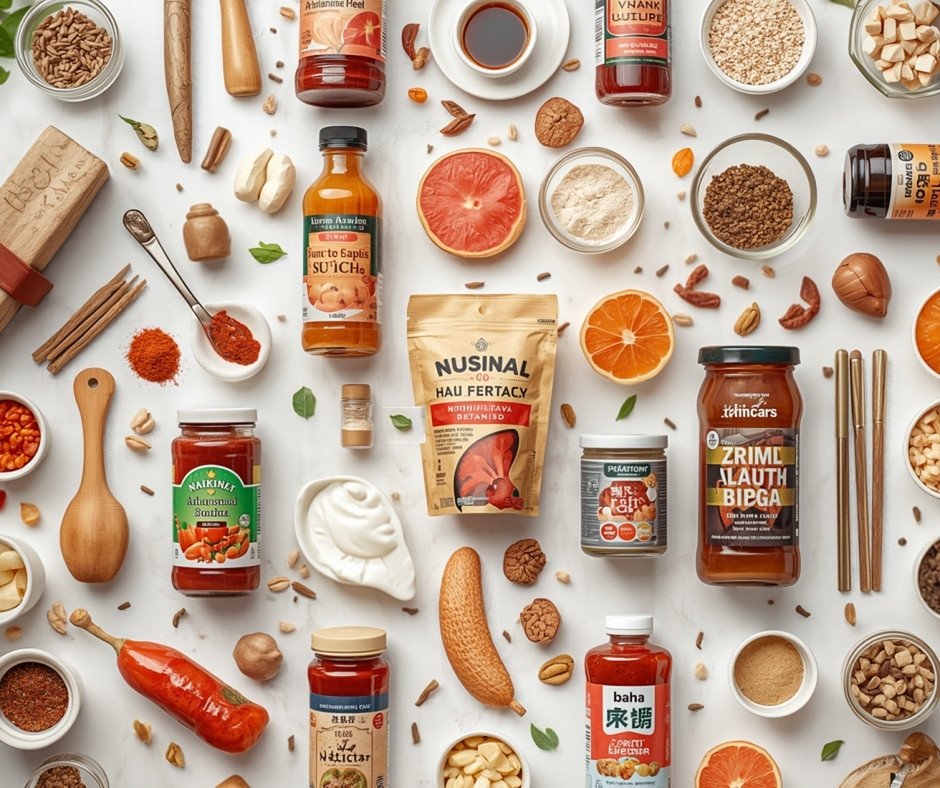
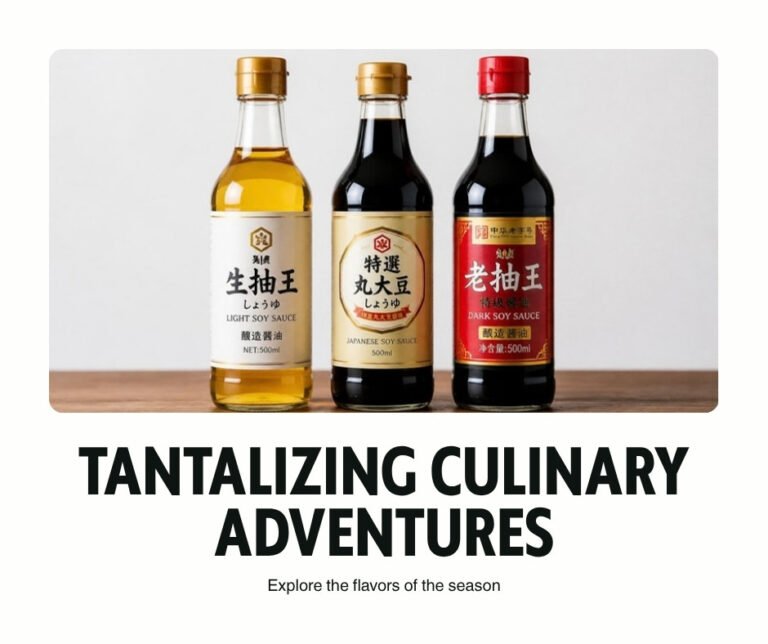
These are the backbone of Asian cooking. Start with a light soy sauce and a dark soy sauce — they are not interchangeable and most Chinese recipes use both. Add oyster sauce for stir-fries and braised dishes, and sesame oil for finishing. Fish sauce is essential if you cook any Thai, Vietnamese, or Filipino food.
Shaoxing rice wine is worth buying early. It appears in a huge number of Chinese recipes and the difference it makes to the flavour of a marinade or braise is noticeable.
Pastes and condiments
Chilli bean paste (doubanjiang) is the base of many Sichuan dishes. Hoisin sauce is useful for Cantonese cooking and as a dipping sauce. Miso paste — white or red — opens up Japanese soups and marinades. Black bean paste is good for stir-fries and steamed fish.
Dry staples
Jasmine rice is the everyday rice for most South-East Asian cooking. Short-grain Japanese rice is different in texture and suits Japanese-style dishes better. Dried rice noodles in a few widths, glass noodles (mung bean), and dried egg noodles cover most noodle recipes.
Dried shiitake mushrooms keep well and add a deep, savoury flavour to soups and braises. They are much cheaper than fresh shiitake and arguably have a better flavour for long-cooked dishes.
Spices and aromatics
Star anise, Sichuan peppercorns, and five-spice powder are the main Chinese spices you will reach for regularly. Galangal and lemongrass are worth keeping for Thai cooking; they freeze well if you buy fresh. Dried red chillies are useful to have on hand for stir-fries and chilli oils.
Fridge items to keep stocked
Fresh ginger, garlic, and spring onions are used in virtually every Asian cuisine. Tofu, both firm and soft, is useful for soups, stir-fries, and braised dishes. A jar of chilli oil in the fridge goes on almost everything.
Where to shop
Asian grocery shops are the best place to build your pantry. The products are more varied, the sizes are larger, and the prices are significantly lower than supermarkets. Wing Yip, See Woo, and Loon Fung have physical stores in several UK cities and all ship online.
Frequently asked questions
What are the most essential Asian sauces to buy first?
Start with light soy sauce, dark soy sauce, oyster sauce, and sesame oil. Those four cover the majority of Chinese and South-East Asian recipes. Fish sauce is the next addition if you cook Thai or Vietnamese food.
How long do Asian sauces keep once opened?
Soy sauce, oyster sauce, and fish sauce all keep for several months in the fridge once opened. Sesame oil keeps for up to six months at room temperature. Chilli bean paste keeps for three to four months in the fridge.
Where is the best place to buy Asian pantry ingredients in the UK?
Asian grocery shops give the best value and the widest range. Wing Yip and See Woo have physical stores in several UK cities and both ship online. Large Sainsbury’s, Tesco, and Waitrose stores now stock a reasonable range in the world food aisle.
Is there a difference between Chinese and Japanese pantry ingredients?
Yes. Chinese cooking relies on oyster sauce, chilli bean paste, and dark soy sauce, while Japanese cooking uses miso, mirin, dashi, and Japanese short-grain rice. A basic Asian pantry covers both.
Shop this
- Lee Kum Kee Premium Oyster Sauce. A reliable everyday oyster sauce for stir-fries and braises.
- Sesame oil. Used as a finishing oil in Chinese, Japanese, and Korean cooking.
- Fish sauce. Essential for Thai, Vietnamese, and Filipino cooking.
- Dried shiitake mushrooms. Long shelf life and deep umami flavour for soups and braises.
- Chilli bean paste (doubanjiang). The base of many Sichuan dishes.