Some links on this page are affiliate links. As an Amazon Associate, The Asian Larder earns from qualifying purchases, at no extra cost to you.
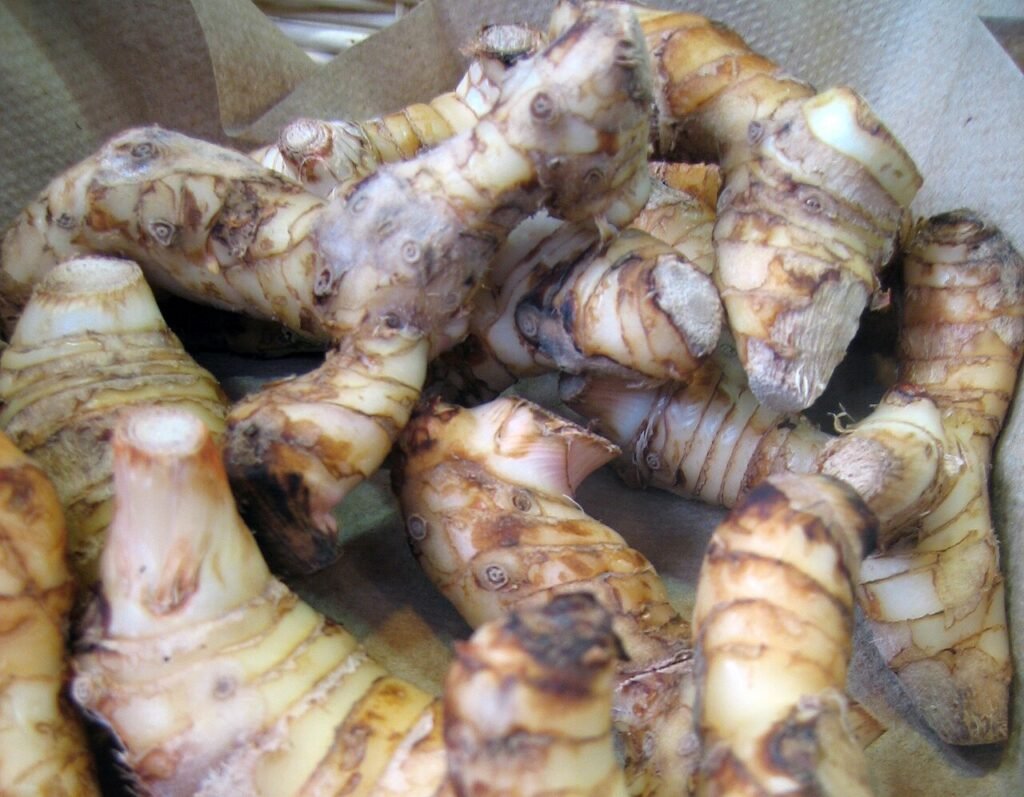
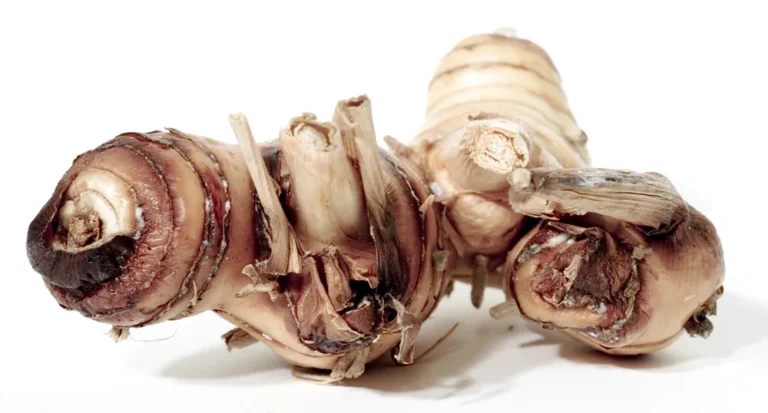
Galangal is a rhizome related to ginger, with a sharp, peppery, pine-like and citrusy flavour that defines tom yum, tom kha and many Thai curry pastes. It looks like ginger but has thinner, paler skin with pink tinges, and a much harder, woodier flesh.
Where to buy galangal in the UK
Galangal paste is stocked by many large UK supermarkets, while fresh and frozen galangal are easiest to find in Thai and Southeast Asian grocers.
Which aisle is galangal in?
Galangal paste sits in the world food aisle near Thai curry pastes, or with the herb and spice pastes near the fresh herbs. Fresh roots are occasionally in the exotic vegetables section.
Asian supermarkets
A Thai or Southeast Asian grocer usually stocks fresh roots and frozen sliced galangal in the freezer.
Buying it online
Online is a good option for frozen or dried galangal and larger jars of paste.
Checking freshness of fresh roots
If buying fresh galangal, look for a firm, pale, unblemished root, avoid anything wrinkled or soft, which indicates it has been sitting too long since harvest.
What is galangal?
How to use it
- Slice thinly and simmer in soups such as tom yum, then leave the slices in but do not eat them.
- Pound or blend into curry pastes, as in our Thai red curry.
- Grate finely into marinades for grilled chicken or fish.
Fresh, frozen, dried or paste
Fresh galangal gives the brightest flavour but is rare in the UK, frozen sliced galangal is the most practical everyday choice, keeping most of the fresh flavour, dried galangal is far weaker and best avoided if fresher options exist, and paste is convenient though slightly muted compared with frozen.
Do not eat it raw in a finished dish
Sliced galangal is typically left whole in a simmering soup like tom yum for flavour, then left in the bowl rather than eaten, since it stays quite fibrous and tough even after cooking.
The best galangal to buy in the UK
Frozen sliced galangal is the most practical buy for most UK cooks, keeping far better than fresh and tasting much closer to it than dried. Galangal is a Thai root related to ginger, with a sharp, piney, citrusy flavour that is central to tom yum, tom kha and Thai curry pastes.
What to check on the label
- Fresh roots should be firm, pale and smooth, not wrinkled or soft.
- Frozen packs should list galangal only, with no added salt or oil.
- Paste often contains salt, oil and citric acid, which is fine for curries but less fresh-tasting.
Checking frozen galangal quality
Frozen sliced galangal should look pale and firm through the packaging, freezer-burned patches (greyish, dry-looking areas) suggest it has been stored too long or thawed and refrozen at some point. Buying from a shop with good stock turnover, such as a busy Asian grocer, reduces this risk considerably.
Paste concentration
Galangal paste varies in strength between brands, some are quite mild, others concentrated, start with less than a recipe suggests when trying a new brand for the first time and adjust to taste.
How to store galangal
Wrap unpeeled in paper and keep in the fridge for up to two weeks, or slice and freeze for several months, frozen slices can be used directly without thawing first.
Frequently asked questions
What is the difference between galangal and ginger?
Galangal is sharper, more citrusy and peppery, while ginger is warmer, sweeter and softer in texture.
What can I use instead of galangal?
Ginger with a squeeze of lime is the closest swap. See our galangal substitute guide.
How long does fresh galangal keep?
About two weeks in the fridge, or several months sliced and frozen.
Is frozen galangal as good as fresh?
Very close, and far better than dried, which loses most of its aroma.
Shop this
- Galangal. For tom yum, tom kha and Thai curries.