Some links on this page are affiliate links. As an Amazon Associate, The Asian Larder earns from qualifying purchases, at no extra cost to you.
Glutinous rice flour is rarely stocked in mainstream UK supermarkets, so an Asian grocer or an online order is the reliable route. Tesco, Asda and Morrisons usually carry regular rice flour instead, which is a different product and will not give a chewy dough.
What glutinous rice flour is
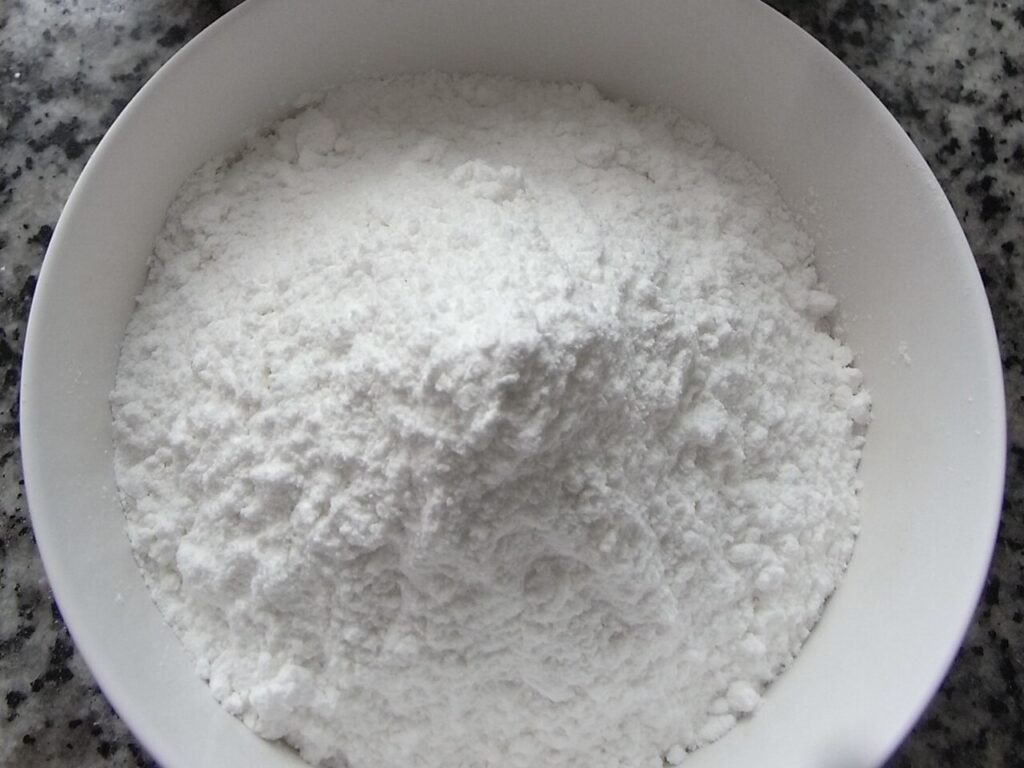
It is flour milled from sticky rice, used for chewy doughs such as mochi, tang yuan and sesame balls. It contains no gluten at all. The word glutinous describes the sticky, glue-like texture the flour gives once cooked, which comes from the high amylopectin starch in the rice, not from gluten. That naming trips up a lot of people who are avoiding gluten and read the bag as a warning.
The starch makeup is the real difference. Glutinous rice is more than 90% amylopectin with almost no amylose, while regular rice carries anywhere from around 10% to 30% amylose depending on the variety. Amylopectin is the branched starch that swells and turns sticky when cooked, while amylose is what keeps ordinary rice grains separate and fluffy, which is why no amount of overcooking turns regular rice flour into a mochi-like dough.
What to make with it
- Tang yuan, sweet rice balls served in ginger syrup, see the tang yuan recipe.
- Mochi and daifuku, pounded or steamed into a soft, stretchy dough.
- Fried sesame balls (jian dui), filled with red bean paste.
- Steamed cakes, and as a thickener in some Southeast Asian desserts.
Glutinous rice flour against regular rice flour
| Type | Texture when cooked | Best for |
|---|---|---|
| Glutinous rice flour | Chewy, stretchy | Mochi, tang yuan, sesame balls |
| Regular rice flour | Crumbly, crisp | Batters, noodles, shortbread |
What to check on the bag
- The words glutinous or sweet rice flour. Plain rice flour will not give the chewy texture.
- The lettering colour. On the widely stocked Erawan brand, green means glutinous and red means regular, which is a quick check before the till. Other brands are not always colour coded, so read the bag itself.
- Pack size. Bags of 400g to 500g suit most home recipes.
- Grind. Most flour sold for cooking is finely milled and ready to use. Coarser versions exist for particular traditional sweets and are rarely needed at home.
Where to look in the UK
- Asian grocers, flour and starch shelf. Next to tapioca starch and regular rice flour. The best source, most often the Erawan brand with green lettering.
- Supermarket free-from or baking aisle. Usually regular rice flour only, so check the word glutinous before you buy.
- Online. A straightforward option, and a sealed bag keeps for months.
Aisle numbers move between branches, so use the section as your guide rather than a number. If you are asking a member of staff, ask for glutinous or sweet rice flour, since rice flour on its own will send you to the wrong shelf.
Storing it
Keep the bag tightly sealed in a cool, dry cupboard, ideally in an airtight container once opened. It keeps for many months this way, though it is worth using within a year for the best texture in doughs.
Frequently asked questions
How do I tell glutinous rice flour from regular rice flour?
The bag should say glutinous or sweet rice flour. With the Erawan brand, green lettering means glutinous and red means regular.
Is glutinous rice flour gluten free?
Yes, it is naturally gluten free, though check the pack if you need a certified product.
Can I swap regular rice flour for glutinous rice flour?
No. Regular rice flour bakes up crumbly and will not form a chewy dough.
Can I use mochiko instead?
Yes. Mochiko is a Japanese glutinous rice flour and works the same way.
Shop this
- Glutinous rice flour. For mochi, tang yuan and sesame balls.