Some links on this page are affiliate links. As an Amazon Associate, The Asian Larder earns from qualifying purchases, at no extra cost to you.
Pandan is a long, fragrant leaf used across Southeast Asian cooking, prized for its sweet, grassy aroma, often compared to vanilla. It is used more for scent than for a strong flavour of its own, infused into liquids or wrapped around food during cooking.
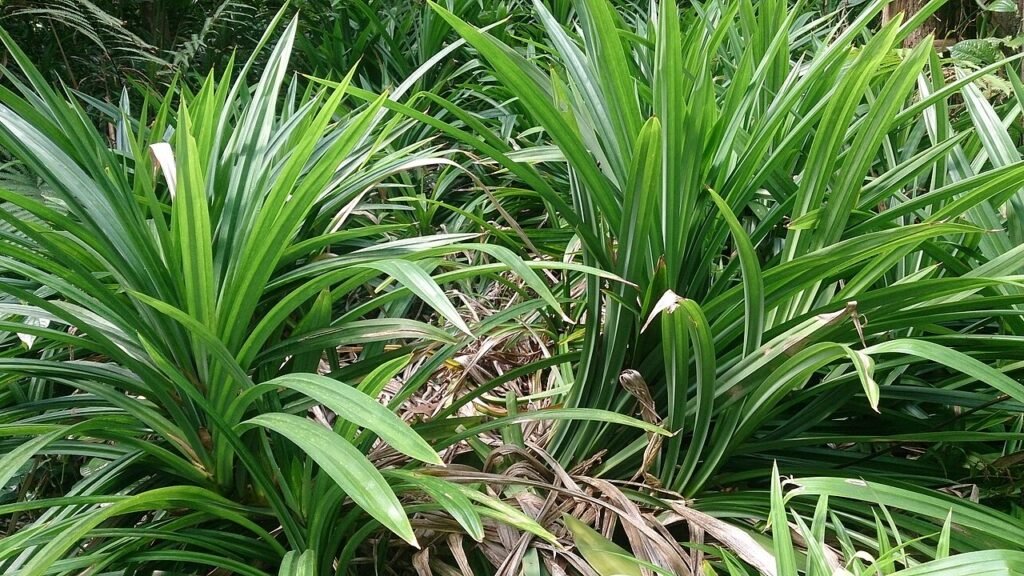
Frozen leaves and bottled extract are sold through Southeast Asian grocers and online. Mainstream supermarkets rarely carry either, and fresh leaves are harder still to find.
Where to buy pandan in the UK
Pandan is rarely stocked fresh in the UK, so frozen leaves or bottled extract from a Southeast Asian grocer or online are the practical routes.
Which aisle is pandan in?
Mainstream UK supermarkets do not generally stock pandan, so it is not found in a standard aisle. Southeast Asian grocers keep frozen leaves in the freezer and extract with the baking flavourings.
Asian supermarkets
A Thai, Malaysian or Filipino grocer is the most reliable source for frozen leaves.
Buying it online
Online is a good option for bottled extract, which keeps for a long time and is easy to post.
Bundle size for frozen leaves
Frozen pandan leaves are usually sold in bundles of a fixed number, ask how many leaves are in a pack if a recipe calls for a specific quantity, since running short partway through a recipe is an easy mistake with a perishable ingredient like this.
What is pandan?
How to use it
- Knotted and simmered in rice or coconut milk for a subtle fragrance.
- Blended with coconut milk for green-tinted desserts and drinks.
- Wrapped around chicken or sticky rice before steaming, as in pandan chicken.
Its sweet, grassy, faintly floral aroma plays much the same role in Southeast Asian desserts and drinks as vanilla does in Western baking, adding fragrance rather than a strong taste of its own.
Leaves or extract
Fresh leaves are rare in the UK. Most cooking here relies on frozen leaves, which keep their aroma well, or bottled extract, which is concentrated and needs only a few drops.
| Type | Form | Best for |
|---|---|---|
| Frozen or fresh leaves | Whole, infused into liquid or rice | Steeping in coconut milk or rice cooking water |
| Bottled extract | Concentrated, a few drops needed | Cakes, quick desserts, drinks |
What to check before buying
- Extract strength is not standardised between brands, so a recipe written for one bottle may need adjusting for another. Start with fewer drops and add more to taste.
- Many extracts include green food colouring alongside the flavour. Check the label if you want the flavour without the colour, or if you specifically want the colour for a pandan cake.
- A small bottle lasts a long time at a few drops per recipe, so there is little point buying a large one unless you bake with pandan often.
- Frozen leaves suit infusing rice or coconut milk. Extract is quicker for cakes and drinks.
How to store pandan
Keep frozen leaves sealed in the freezer, where they hold their aroma for several months. Thaw briefly before knotting or slicing, since they do not need to be fully defrosted first.
Keep frozen leaves in the freezer until needed, extract keeps in the cupboard once opened.
Frequently asked questions
Can I use pandan extract instead of leaves?
Yes. A few drops of extract replaces a couple of knotted leaves in most recipes, though the aroma is a little less nuanced.
What does pandan taste like?
Sweet and grassy with a faint vanilla note, which is why it is often called the vanilla of Southeast Asian cooking.
Where can I buy pandan in the UK?
Frozen leaves and bottled extract are sold through Southeast Asian grocers and online. Fresh leaves are rare.
Can I grow my own pandan plant in the UK?
Yes, as a houseplant, though it needs warmth and humidity to thrive and rarely grows fast enough for a steady leaf supply.
Shop this
- Pandan extract. A concentrated shortcut to pandan flavour.