Some links on this page are affiliate links. If you buy through them we may earn a small commission, at no extra cost to you.
Most people who say they dislike green tea have only had it brewed with boiling water. That is a temperature problem, not a taste one.
Which green tea should you buy?
Start with a Japanese sencha if you want something fresh and grassy, or a Chinese dragon well if you prefer something nuttier and softer. Buy loose leaf rather than bags, look for a harvest year on the packet, and brew at around 75C. Those three choices matter more than the brand.
The main types, and who they suit
| Tea | Where from | Tastes like |
|---|---|---|
| Sencha | Japan | Fresh, grassy, slightly sharp |
| Gyokuro | Japan | Shade grown, sweet, thick, expensive |
| Genmaicha | Japan | Green tea with toasted rice, savoury and warm |
| Hojicha | Japan | Roasted, brown, low caffeine, almost nutty |
| Dragon well | China | Pan fired, chestnut sweetness, very mild |
| Gunpowder | China | Rolled pellets, strong and smoky |
| Jasmine | China | Scented with jasmine flowers, floral |
If you are unsure, genmaicha is the easiest starting point. The toasted rice softens the bitterness that puts people off.
Loose leaf or tea bags?
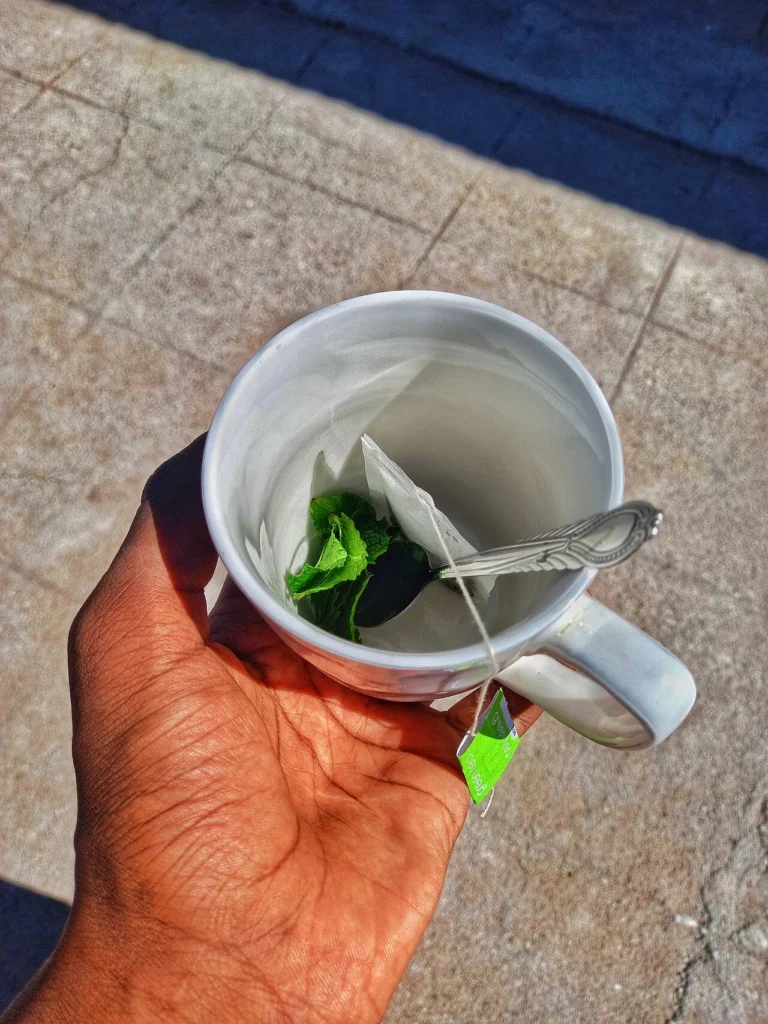
Loose leaf, if you can. Bags are usually filled with fannings and dust, which are the broken bits left after grading, and they release tannins fast and taste bitter. Loose leaf also lets you see what you bought, which is the whole point of paying attention to grade.
If you want the convenience of bags, buy the pyramid style ones that hold whole leaves rather than flat paper sachets.
What to look for on the packet
- A harvest year. Green tea is best within a year. No date means no way to judge.
- A named origin. A region in Japan or China, not just Asia or a blend.
- Whole leaves. Look at the leaf in the bag if you can. Dust means a harsh cup.
- Colour. Green, not brown or grey. Brown leaf is stale leaf.
- An opaque, resealable pack. Light and air are what kill green tea.
How to brew it so it is not bitter
Use water at around 70 to 80C, not boiling, and steep for one to two minutes. Boiling water pulls out tannins fast and turns any green tea harsh. Boil the kettle, then leave it for two or three minutes before pouring.
- About 1 tsp of leaf per cup.
- Sencha: 70 to 80C, one minute.
- Gyokuro: 50 to 60C, two minutes. It is meant to be brewed cool.
- Chinese green tea: around 80C, two minutes.
- Good leaf will take two or three more infusions. Add 15 seconds each time.
Where to buy and how to store it
Supermarket green tea is nearly all bagged blends. For loose leaf, look at Japanese and Chinese grocers, or specialist tea sellers who publish the harvest year. Once home, keep the tea in an airtight tin in a dark cupboard, away from anything strongly scented, and drink it within a year.
Do not store green tea in the fridge unless it stays sealed. It picks up smells from everything around it.
Frequently asked questions
Why does my green tea taste bitter?
The water was too hot or the leaves sat too long. Drop to about 75C and cut the steep to a minute. Old or dusty tea will taste bitter whatever you do.
Is Japanese or Chinese green tea better?
Neither. They are made differently. Japanese green tea is steamed, which keeps it grassy and vivid. Chinese green tea is pan fired, which makes it mellower and nuttier. Try one of each and see which you reach for.
How much caffeine is in green tea?
Less than coffee, and it varies by type and brew. Hojicha is the lowest because roasting reduces the caffeine, and gyokuro is among the highest because shading raises it.
Can you reuse green tea leaves?
Yes, and good leaf is meant to be. Two or three infusions is normal, adding a little time to each. The second cup is often the best one.
Where to buy
Options on Amazon UK that match what is described above. These are affiliate links, so we may earn a small commission if you buy through them. Stock and prices change, so check the listing before ordering.
- Loose leaf sencha. Japanese, steamed, fresh and grassy. The starting point for most people.
- Genmaicha. Green tea with toasted rice. The easiest one to like if you find green tea bitter.