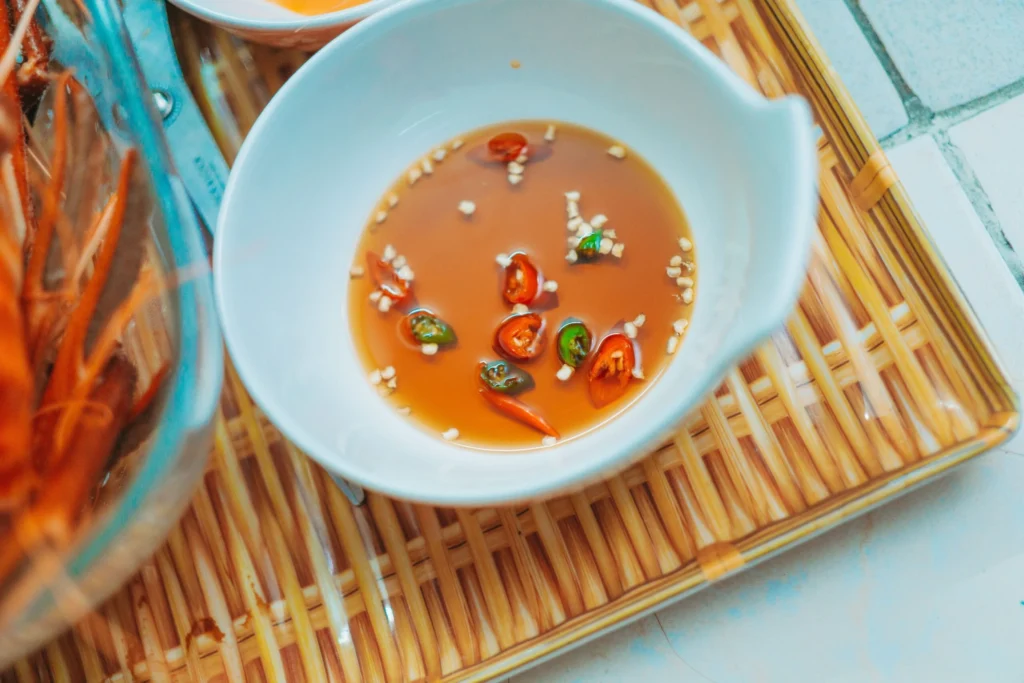
The best fish sauce for most home cooks is a high-nitrogen, anchovy-only sauce such as Red Boat or Three Crabs, rather than a diluted, sugar-heavy blend. A higher nitrogen percentage on the label means more fish protein and a longer, more traditional fermentation. Cheaper blends taste flatter and mostly just salty, with little of the deep savoury note that makes fish sauce worth using.
Fish sauce varies more between brands than most people expect, since the anchovy ratio and fermentation time differ a lot. This guide covers what to check on the label and which brands are easy to find in the UK.
What makes one fish sauce better than another
Traditional fish sauce is made from just anchovies and salt, fermented in barrels for months or even years. That slow fermentation builds a deep, savoury depth alongside the saltiness. Cheaper, mass-produced versions often cut the fermentation short and dilute it with water, sugar, and flavourings to make up the difference. The result tastes sharper and more one-note, without the same roundness.
Ingredients to check on the label
- Anchovy and salt only, or very close to it, near the top of the ingredients list.
- A nitrogen percentage on the label, often written as a number followed by N. Look for 35N or higher for a well-fermented sauce.
- A short ingredient list overall. Added sugar, colouring, or flavour enhancers high on the list are signs of a diluted version.
Which fish sauce brands are sold in the UK
Squid Brand and Three Crabs are both widely available in UK Asian supermarkets and online, and both use a traditional anchovy fermentation. Red Boat is a premium option worth seeking out if you want the clearest single-ingredient flavour. Blue Dragon and Thai Taste, found in mainstream UK supermarkets, are milder and more diluted, a reasonable everyday option if depth of flavour matters less to you than convenience.
Vietnamese vs Thai style: which to buy
Vietnamese fish sauce, nuoc mam, tends to be funkier and more pungent. Thai fish sauce, nam pla, is often a touch lighter and slightly sweeter. Either works in most recipes. Reach for a Vietnamese style for pho and dipping sauces, and a Thai style for curries and stir fries where a lighter background note suits the dish better.
FAQ
Does fish sauce need to be refrigerated?
No. It keeps well in a cool cupboard thanks to its high salt content, though the smell can mellow a little over time. Refrigeration is not required, but it does no harm either.
Does fish sauce make food taste fishy?
Not once it is cooked into a dish. It melts into the background as a savoury, salty note rather than a fishy flavour, similar to how anchovies work in a pasta sauce.
Can I substitute fish sauce with something else?
Soy sauce mixed with a little rice vinegar gets close for saltiness and a touch of tang, though it will not fully match the depth. See our full fish sauce substitute guide for ratios.
What is the difference between fish sauce and oyster sauce?
Fish sauce is thin and salty, made from fermented anchovies. Oyster sauce is thick and sweet-savoury, made from oyster extract. They are used differently and are not interchangeable.
Run out mid recipe? See our fish sauce substitute guide. Ready to put it to use, try our Thai green curry recipe.
Shop this
Some links on this page are affiliate links. If you buy through them we may earn a small commission, at no extra cost to you.
- Red Boat fish sauce. A premium, single-ingredient sauce with real depth.
- Three Crabs fish sauce. Widely stocked and reliable for everyday cooking.