Some links on this page are affiliate links. As an Amazon Associate, The Asian Larder earns from qualifying purchases, at no extra cost to you.
The best basmati rice is not simply the priciest bag: basmati varies more between brands than most people expect. Two bags at the same price can give you long, separate grains in one pan and a broken, sticky mess in the other. The gap usually comes down to ageing, grain length and how many broken grains made it into the bag.
Here is what to check on the pack, and the basmati brands worth buying in UK shops.
The short answer
If you want one bag that will not let you down, the best basmati rice in a UK supermarket is Tilda Pure Basmati. If you cook rice several times a week, the best basmati rice by value is a large sack of East End or Daawat from an Asian grocer. For biryani, the best basmati rice is a sella (parboiled) grade, which holds its shape through layering and steaming.
Those three cover most kitchens. The detail below explains what separates them, so you can judge a bag the shop assistant has never heard of.
What to look for in the best basmati rice
- Ageing. Basmati is stored for a year or more before packing. Aged grain holds less moisture, so it cooks drier and stretches further. Brands that age their rice say so on the front, often as matured or aged basmati.
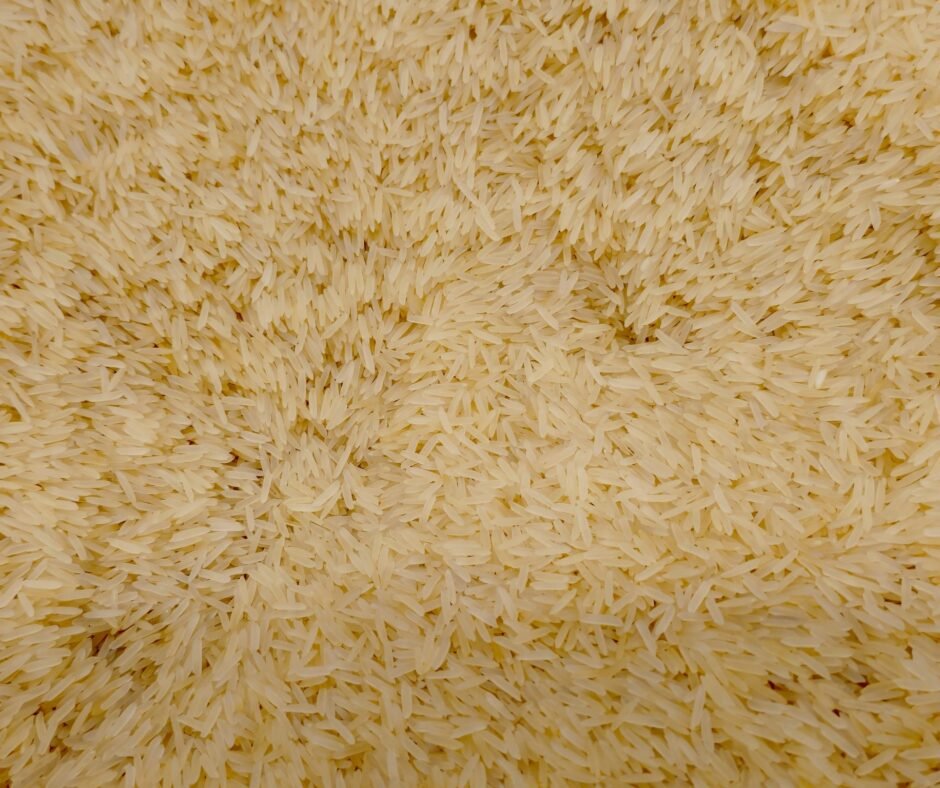
- Grain length. Long, slim, slightly curved grains are the mark of true basmati. Short or stubby grains in the bag point to a blend.
- Broken grains. Hold the pack up to the light. A lot of snapped, half length pieces means a cheaper grade, and broken grains release starch and go sticky.
- Pure basmati or a blend. Some budget bags mix basmati with other long grain rice. The label will say basmati rice if it is pure, or long grain and basmati rice if it is blended.
- Sella or parboiled. Sella basmati is steamed in the husk before milling. The grains are yellowish, very firm and almost impossible to overcook, which is why caterers use it for biryani. The texture is chewier than plain white basmati.
- White or brown. Brown basmati keeps the bran, so it is nuttier and takes about three times as long to cook.
The best basmati rice to buy in the UK
1. Tilda Pure Basmati: best all round
Tilda is the most widely stocked basmati in UK supermarkets and the safest default. The grains are long, consistent, with few breakages, and the rice is aged before packing. It costs more per kilo than the Asian grocer brands, but you get the same result every time, which matters if you are learning the ratio. Sold in nearly every large supermarket, and Tilda basmati on Amazon UK works out better value in 5 kg and 10 kg bags.
2. Daawat: best for long grains
Daawat is an Indian brand with a strong reputation for extra long grain basmati. The grains stretch noticeably during cooking, which suits pilau and biryani. Common in Asian grocers and some larger supermarkets. Daawat basmati on Amazon UK is usually sold in bigger sacks.
3. East End Premium Basmati: best value for heavy users
East End is a staple of UK Asian grocers and sells in large sacks at a lower price per kilo than supermarket brands. Quality is good for the money, though the grains are slightly less uniform than Tilda. A sensible pick if you cook rice several times a week.
4. Laila Basmati: best budget bag
Laila is cheap, widely available in Asian shops and fine for everyday rice alongside a curry. You will see more broken grains than in the premium brands, so rinse well and go slightly light on the water.
5. Kohinoor Extra Flavour: best aroma
Kohinoor leans on the scent of basmati, which is the thing that separates it from ordinary long grain. Good for plain rice where there is nothing to hide behind. Stocked in Asian grocers and some supermarkets.
6. Supermarket own label: fine for mixing into dishes
Tesco, Sainsbury’s, Asda and Morrisons all sell own label basmati, often blended. The grains are shorter and break more easily, so results are less reliable for plain rice. For egg fried rice, a pilau with lots of spice, or anything where the rice is mixed through, it does the job at a lower price.
7. Veetee or Tilda microwave pouches: best for one portion
Pouches are not the cheapest way to buy rice, but for a single serving with no pan to wash they make sense. Check the ingredients, because many flavoured pouches contain oil, salt and sugar.
Sella basmati: worth buying?
If you make biryani, yes. Sella basmati holds its shape through layering and steaming without turning to mush, which is why it is standard in restaurant kitchens. For plain rice next to a curry it is a step down, with a firmer, slightly rubbery bite and a yellow tint. Keep a small bag alongside your usual white basmati rather than replacing it.
How to store basmati rice
Keep rice in an airtight container in a cool, dry cupboard, away from strong smells. Rice picks up odours easily. Unopened, a sealed bag keeps for years, and the ageing continues, which is no bad thing. Once opened, use within a year for the best aroma. If you buy 10 kg sacks, decant into smaller sealed tubs rather than opening and reclosing one bag for months.
How much does basmati cost in the UK?
Prices move about, so check before you commit to a big sack. As a rule, supermarket own label is the cheapest per kilo, Asian grocer brands such as East End and Laila sit in the middle once you buy 5 kg or more, and premium named brands cost the most per kilo in small bags. Buying a large sack of a mid-range brand is usually the best balance of price and quality if you have somewhere dry to keep it.
Getting the most out of the best basmati rice
Even the best bag goes sticky if the water ratio is off, so it is worth reading our method for cooking basmati rice before you blame the rice. If you are choosing rice for a stir fry instead, see the best rice for fried rice. And if rice is a daily job in your kitchen, a machine takes the guesswork out: here are the best rice cookers in the UK.
Frequently asked questions
Which is the best basmati rice to buy in the UK?
Tilda Pure Basmati is the most reliable choice in supermarkets, with long, consistent grains and few breakages. If you cook a lot of rice, East End or Daawat in a large sack from an Asian grocer gives similar quality at a lower price per kilo.
What is aged basmati rice?
Aged basmati has been stored for a year or more before packing. The grain dries out, so it absorbs water more evenly, cooks drier and lengthens more in the pan. Fresh crop basmati is softer and more likely to clump.
Is the most expensive basmati rice the best basmati rice?
For plain rice served next to a curry, yes, because grain length and separation are the whole point. For biryani, fried rice or anything heavily spiced, a mid-priced bag performs almost as well once it is rinsed properly.
What is the difference between basmati and jasmine rice?
Basmati is from India and Pakistan, with long dry grains that stay separate, and suits Indian and Pakistani food. Jasmine is from Thailand, softer and slightly sticky, and suits Thai and Southeast Asian dishes. They are not direct swaps.
Is brown basmati rice better than white?
Brown basmati keeps the bran layer, so it has more fibre and a nuttier taste. White basmati has the texture and aroma most Indian dishes are built around. Which is better depends on what you want from the plate, not on quality.
Should I buy sella basmati?
Buy it if you make biryani, because the parboiled grains hold their shape through layering and steaming. For everyday plain rice, standard white basmati gives a better texture.