A numbing, spicy Sichuan noodle dish with a savoury sesame and chilli oil sauce, topped with seasoned minced pork.
Dan Dan Noodles
- 250g wheat noodles
- 150g minced pork
- 2 tbsp doubanjiang
- 2 tbsp light soy sauce
- 2 tbsp Chinese sesame paste or tahini
- 1 tbsp chilli oil, plus extra to serve
- 1 tbsp Chinkiang vinegar
- 1 clove garlic, minced
- 1/2 tsp ground Sichuan peppercorns
- 2 spring onions, sliced
- Fry the minced pork with doubanjiang until browned and fragrant.
- Cook the noodles according to the packet instructions and drain.
- Whisk sesame paste, soy sauce, chilli oil, vinegar, garlic, and Sichuan peppercorns with a splash of the noodle cooking water to loosen into a sauce.
- Toss the noodles through the sauce.
- Top with the pork mince and spring onion. Add extra chilli oil to taste.
Why this recipe works
Loosening the sesame paste sauce with starchy noodle water, rather than plain water, helps it cling to the noodles instead of pooling at the bottom of the bowl.
Tips for the best dan dan noodles
- Chinese sesame paste is thicker and more roasted-tasting than tahini; tahini works but the flavour will be milder.
- Adjust the chilli oil quantity to your own heat tolerance rather than following it exactly.
- This dish should be well seasoned and a little numbing. Taste and add more Sichuan peppercorn if it feels flat.
Adjusting the numbing heat
Dan dan noodles get their character from a mix of chilli oil and ground Sichuan peppercorn, scale both to taste, and toast the peppercorns fresh before grinding for the strongest effect rather than relying on a jar that has been open a while.
Wet vs dry style
This recipe makes the wetter, souped-up style more familiar outside China, a drier version also exists with much less liquid, tossed through rather than served as a soup, worth trying for a different but equally traditional take.
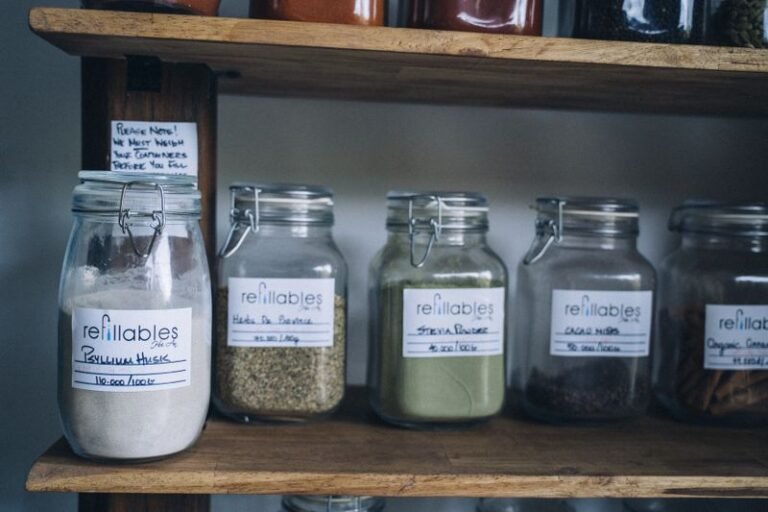
Where to buy Chinese sesame paste in the UK
Chinese sesame paste is not the same as tahini, and is best found through a Chinese grocer or online rather than a mainstream supermarket.
Which aisle is Chinese sesame paste in?
Mainstream UK supermarkets rarely stock Chinese sesame paste specifically, though tahini is common in the world food or health food aisle. Chinese grocers keep sesame paste with the other sauces and pastes.
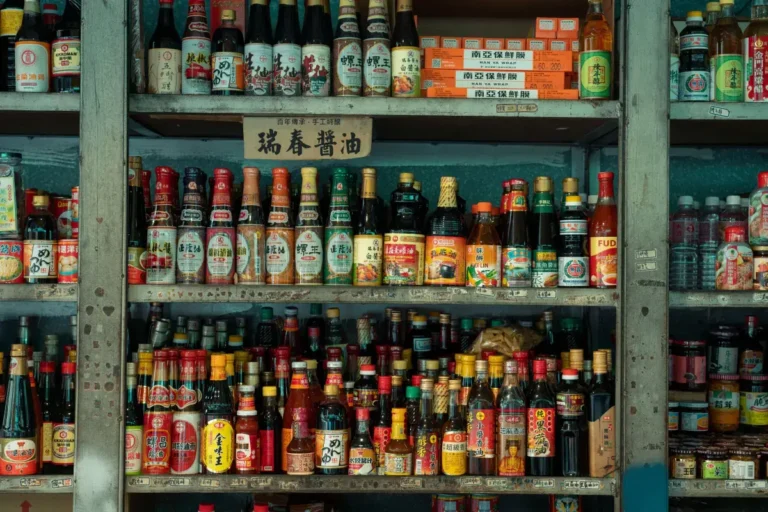
Asian supermarkets
A Chinese grocer is the most reliable source, and usually the only place to find the toasted, deeper-flavoured version.
Buying it online
Online is a good option if there is no Chinese grocer nearby, and a jar keeps for a long time.
Storing it
Keep the jar in a cool cupboard, and stir well before use since the oil separates on standing.
Do not confuse it with tahini
Tahini, made from raw white sesame, is common in UK supermarkets but is not the same as Chinese sesame paste, which is toasted and has a deeper, nuttier flavour, ask specifically for Chinese or toasted sesame paste to avoid coming home with the wrong jar.