Some links on this page are affiliate links. If you buy through them we may earn a small commission, at no extra cost to you.
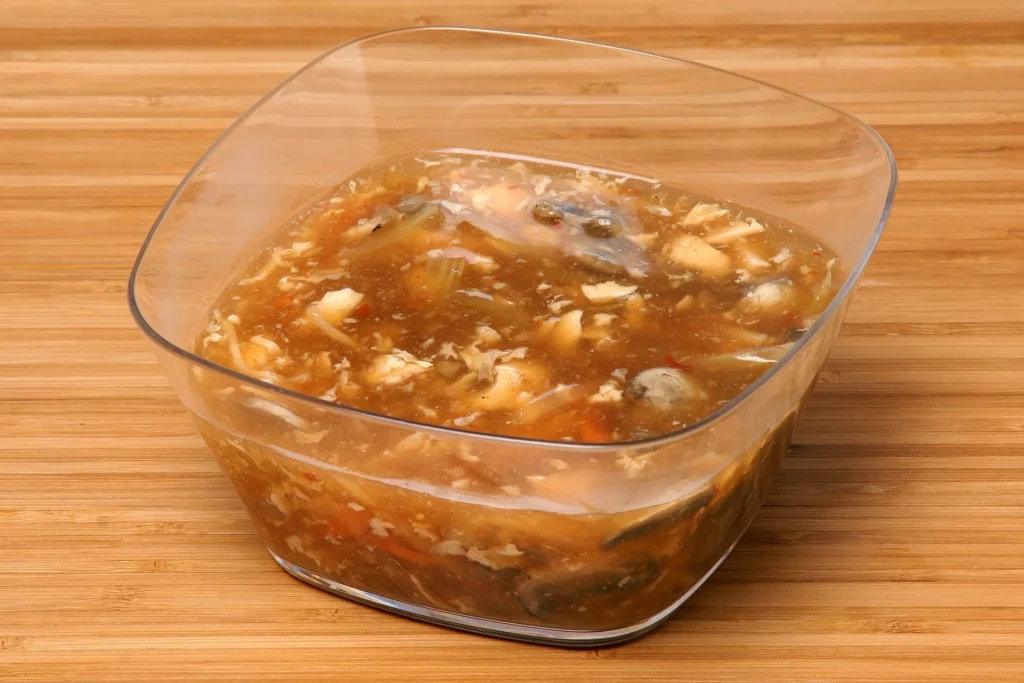
Hot and sour soup is a thick Chinese soup made sour with black vinegar and hot with ground white pepper, not chilli. It carries mushrooms, bamboo shoots, tofu and egg ribbons in a cornflour thickened broth. This version takes about 40 minutes, including soaking the dried mushrooms.
The two seasonings that matter go in last. Vinegar and sesame oil lose their edge if they boil.
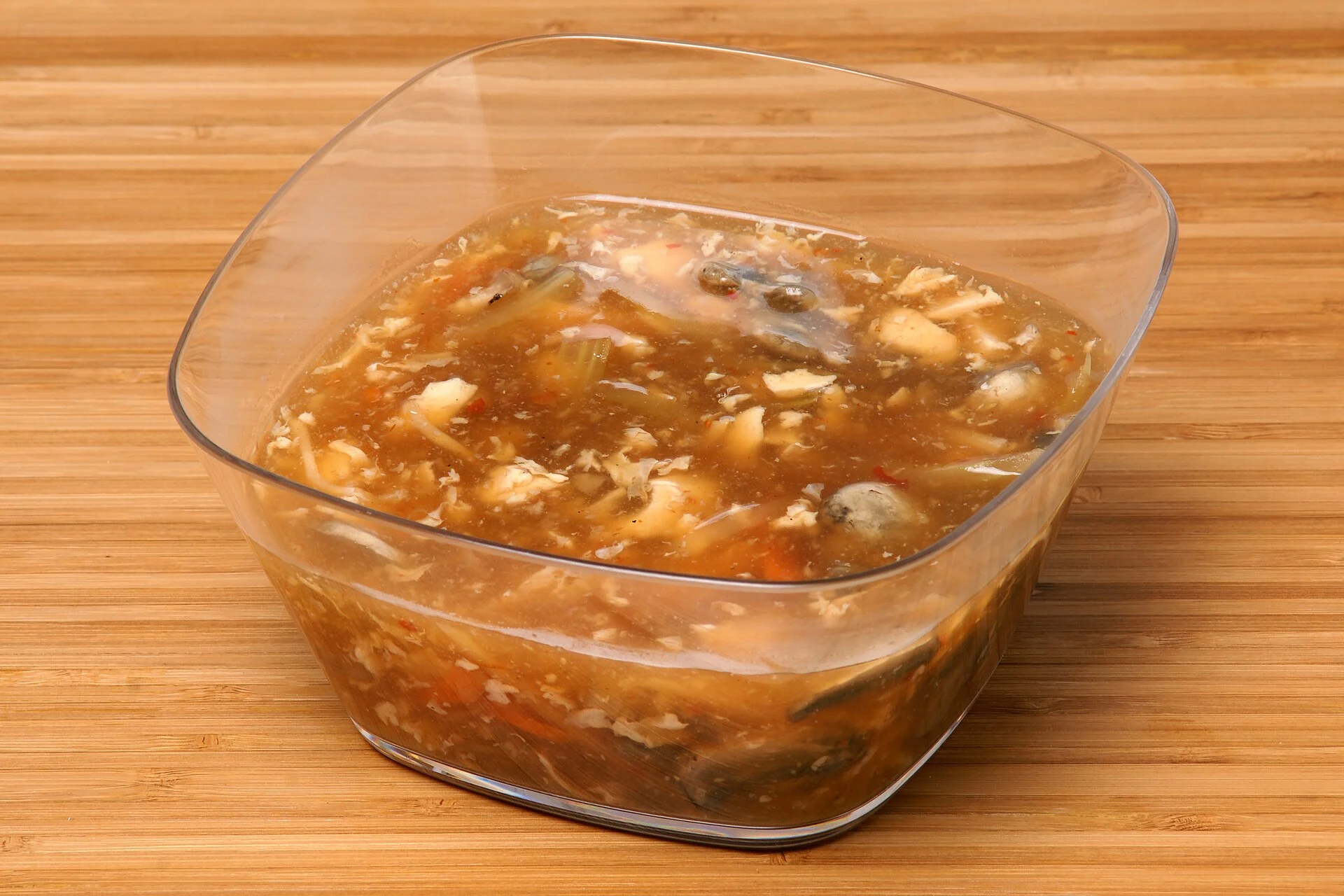
Hot and sour soup
Ingredients
Method
- Put the wood ear and shiitake mushrooms in a bowl, cover with just boiled water and soak for 20 minutes. Drain, keeping 100 ml of the soaking liquid. Slice both thinly, discarding any tough shiitake stems.
- Bring the stock and the reserved soaking liquid to a simmer in a large pan. Add the mushrooms, bamboo shoots and pork, if using, and simmer for 5 minutes.
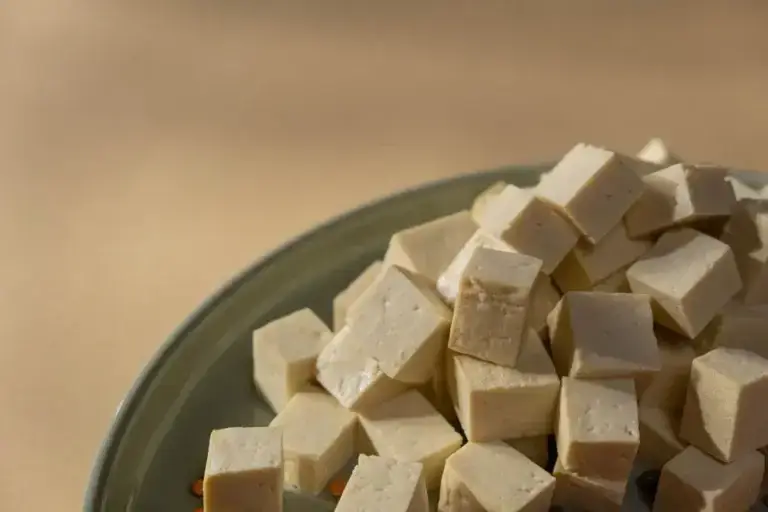
- Add the tofu, light soy sauce, dark soy sauce, sugar and white pepper. Simmer for 3 minutes more.
- Mix the cornflour with the cold water until smooth. Pour it into the pan in a thin stream while stirring, then simmer for 2 minutes until the soup thickens and turns glossy.
- Turn the heat down so the soup barely moves. Pour the beaten egg in a slow, thin stream while stirring in one direction, so it sets into ribbons rather than lumps.
- Take the pan off the heat. Stir in the black vinegar and sesame oil now, not earlier, so the sharpness stays bright.
- Taste and adjust: more vinegar for sour, more white pepper for heat. Serve topped with spring onions and a spoon of chilli oil.
Notes
Why this recipe works
The hot comes from white pepper and the sour from black vinegar. Neither survives a long simmer. Adding the vinegar off the heat keeps the soup sharp instead of dull, and it is the single change that moves a home version closest to a good restaurant bowl.
- The mushroom soaking water goes back into the pot. It carries most of the savoury depth.
- Cornflour slurry, poured in while stirring, gives the thick body the soup is known for.
- Egg goes in slowly over low heat, so it sets in ribbons rather than scrambling.
- Vinegar and sesame oil go in with the pan off the heat.
What are the ingredients in hot and sour soup?
Hot and sour soup needs stock, dried wood ear and shiitake mushrooms, bamboo shoots, tofu, egg, cornflour, light and dark soy sauce, black vinegar, white pepper and sesame oil. Shredded pork is common but optional. The mushrooms and vinegar are the two ingredients you cannot fudge.
What vinegar to use in hot and sour soup
Chinkiang black vinegar is the right choice. It is a dark rice vinegar with a malty, slightly sweet depth that white vinegar cannot match. If you cannot find it, use 2 tbsp of rice vinegar plus 1 tsp of balsamic to fake the darkness and body.
Avoid malt vinegar. It is too sharp and reads as chip shop rather than Chinese.
UK ingredient swaps
Wood ear mushrooms and bamboo shoots live in Chinese supermarkets and the world food aisle of larger Tesco and Sainsbury stores. If neither is in reach, the soup still works with what a normal shop stocks.
| Called for | Swap |
|---|---|
| Dried wood ear mushrooms | 100 g chestnut mushrooms, sliced thin |
| Dried shiitake | Fresh shiitake, plus a splash of mushroom stock |
| Bamboo shoots | Tinned water chestnuts, shredded |
| Chinkiang black vinegar | 2 tbsp rice vinegar plus 1 tsp balsamic |
Getting the egg ribbons right
Turn the heat right down first so the soup is barely moving. Pour the beaten egg in a thin, steady stream from about 20 cm above the pan while stirring slowly in one direction. Pouring fast, or into a rolling boil, gives you lumps instead of ribbons.
Making it vegetarian or vegan
Use vegetable stock and leave the pork out. The mushrooms carry enough savoury weight on their own. For a vegan bowl, skip the egg too and add another 100 g of tofu, plus an extra teaspoon of dark soy sauce to make up the colour.
Storage and reheating
The soup keeps in the fridge for up to three days. It thickens as it sits, so add a splash of stock when reheating and warm gently rather than boiling. Freezing is not ideal, because the tofu turns spongy and the egg ribbons go rubbery on thawing.
Frequently asked questions
What is the secret to a good hot and sour soup?
Add the vinegar off the heat, and use more white pepper than feels sensible. A teaspoon and a half for four bowls is right. Both the hot and the sour fade fast once the soup sits, so taste and top up just before serving.
Why is my hot and sour soup not thick enough?
Not enough cornflour, or it went in too early and cooked out. Use 3 tbsp mixed with 4 tbsp cold water for 1.2 litres, add it after the solids are cooked, then simmer for two minutes while stirring.
Is hot and sour soup spicy?
It is peppery rather than chilli hot. The heat comes from ground white pepper, which builds at the back of the throat. Add chilli oil at the table if you want a chilli burn on top.
Can I make it without tofu?
Yes. Leave it out and add extra mushrooms and shredded pork or chicken. The soup loses a little body, so you may want an extra half tablespoon of cornflour in the slurry.
Shop this
Some links on this page are affiliate links. If you buy through them we may earn a small commission, at no extra cost to you.
- Chilli oil. Stirred through at the end for heat and colour.
- Chinese black vinegar. Gives the soup its sour edge.