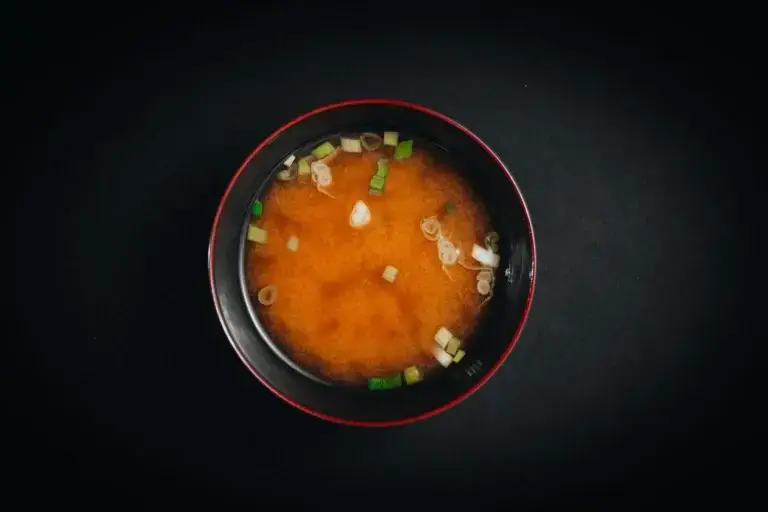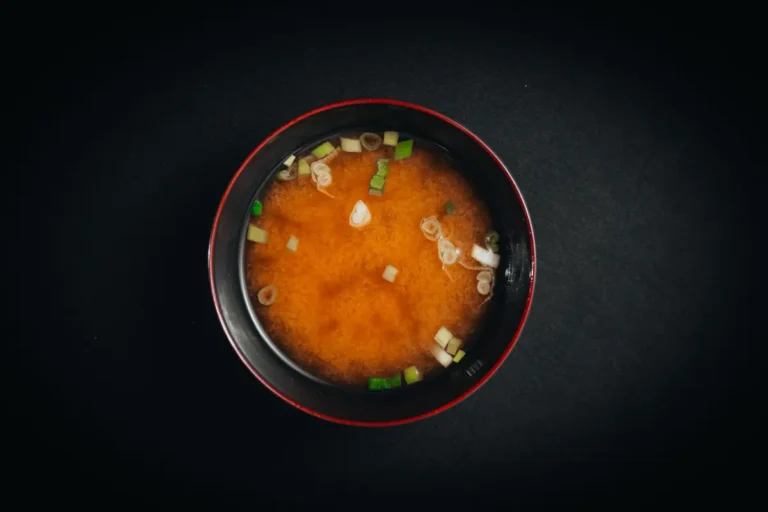
Dashi is the reason a bowl of miso soup tastes like more than salty water. It takes ten minutes and two ingredients.
What is dashi?
Dashi is the basic Japanese stock, made by steeping kombu seaweed and dried bonito flakes in hot water. It is light, clear and deeply savoury, and it forms the base of miso soup, noodle broths, simmered dishes and dipping sauces. It is not boiled, which is what keeps it clean tasting.
What does dashi taste like?
Savoury and faintly of the sea, with none of the heaviness of a meat stock. The kombu brings a mineral, almost sweet background and the bonito adds a smoky top note. Alone it tastes thin. In a dish it does most of the work.
The main types
- Awase dashi. Kombu and bonito together. The everyday standard.
- Kombu dashi. Seaweed only. Vegan, and the mildest.
- Katsuo dashi. Bonito only. Smokier and more assertive.
- Shiitake dashi. Dried mushrooms. Vegan, darker and earthier.
- Instant dashi powder. Granules you stir into hot water. Fast, saltier, and what most Japanese home cooks actually use on a weeknight.
How to make dashi at home
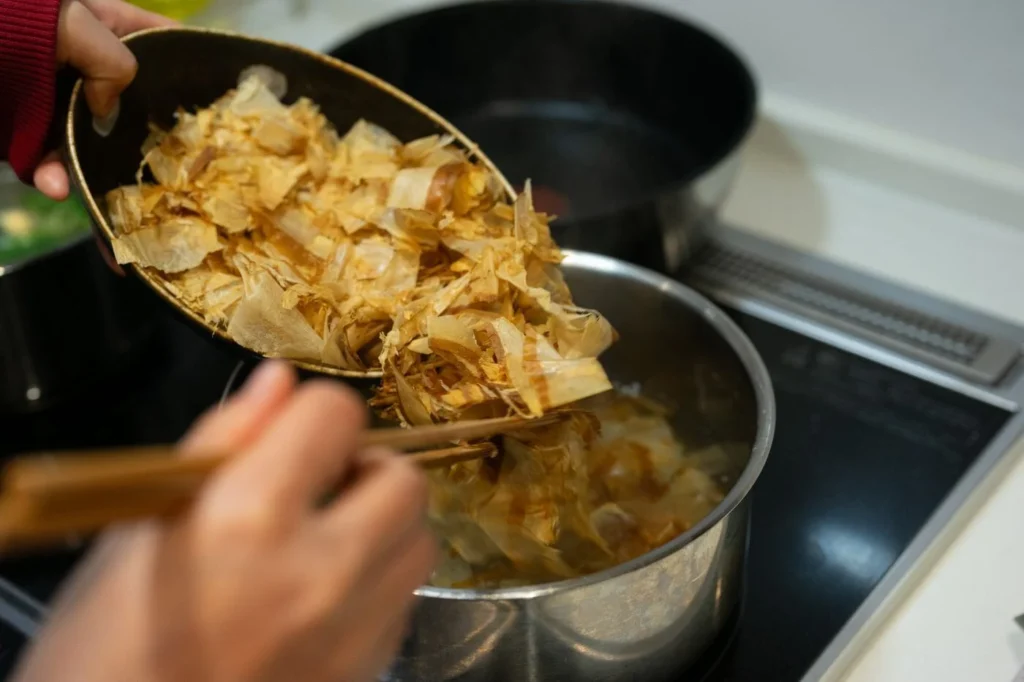
Soak a postcard sized piece of kombu in a litre of cold water for 30 minutes, then heat it slowly until small bubbles appear at the edge. Take the kombu out before it boils. Add a large handful of bonito flakes, turn off the heat, wait two minutes, then strain.
- Never boil the kombu. It turns slimy and bitter.
- Do not squeeze the bonito flakes when straining, or the stock goes cloudy.
- The used kombu can be simmered again for a weaker second batch.
The best dashi to buy in the UK
Shimaya Dashi-no-moto is the granule sold through most Japanese grocers in the UK, and an easy way to make dashi stock in minutes. Dashi powder is instant Japanese stock, usually made from bonito flakes and kelp, and is the base for miso soup and noodle broths.
See our guide to where to buy dashi and bonito flakes in the UK, or read what dashi is and how to make it from scratch.
What to check on the label
- Whether it lists bonito (katsuobushi), since vegetarian versions use kombu only.
- MSG content, since some brands add it for extra savouriness.
- Sachet versus tub, since sachets are handy for single batches.
Instant dashi vs homemade dashi
| Type | Time | Best for |
|---|---|---|
| Instant powder | A minute or two | Weeknight miso soup |
| Homemade (kombu and bonito) | 20 to 30 minutes | Deeper, more traditional flavour |
Bonito-based vs kombu-only dashi powder
Most dashi powder includes bonito flakes for depth, unsuitable for vegetarians or pescatarians who avoid bonito specifically. A small number of brands make a kombu-only version, giving a lighter, more purely savoury result without any fish. Check the ingredients carefully if this matters, since bonito is the default in almost all mainstream dashi powder.
Sachets vs a tub
Individual sachets make portioning easy and keep the rest of the pack fresh, while a tub with a scoop is more economical if you use dashi regularly and do not mind measuring it out yourself each time.
Where to buy dashi in the UK
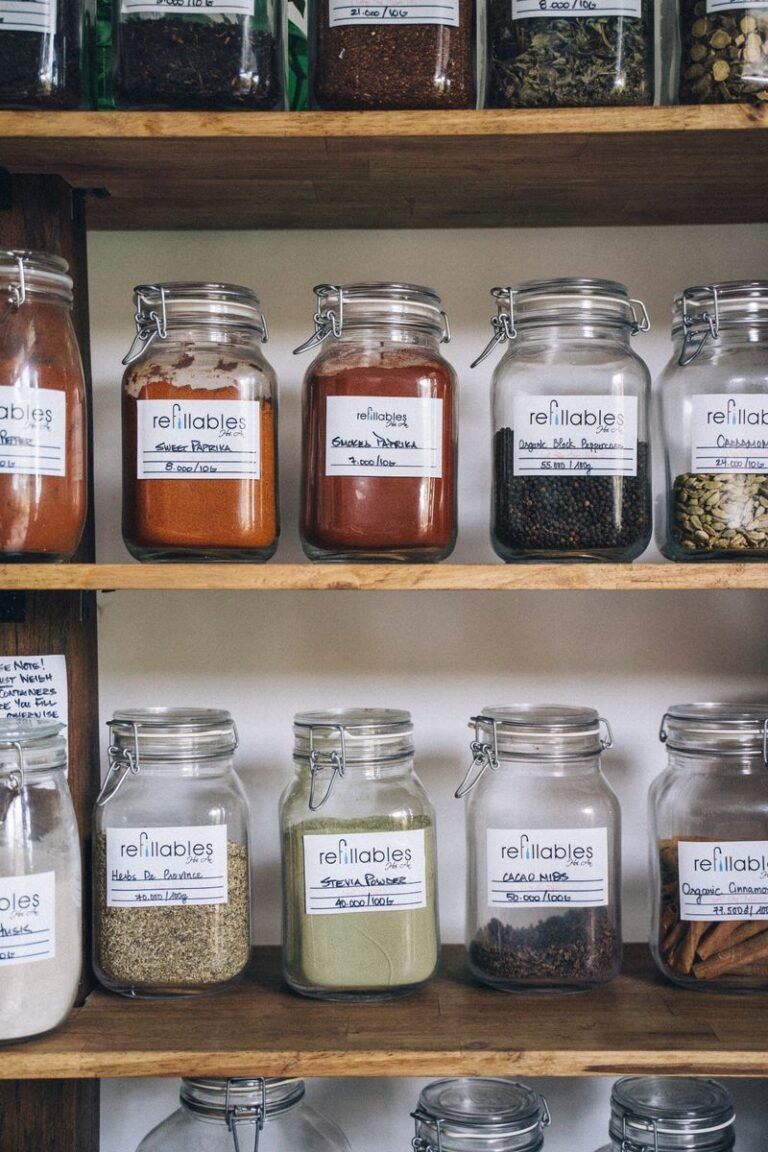
Dashi comes as instant granules (dashi no moto) or as the raw ingredients, bonito flakes and kombu, and both are found in the world food aisle of larger UK supermarkets or more reliably at Japanese and Asian grocers. Instant granules are the easiest starting point for most home cooks.
Japanese and Chinese supermarkets stock kombu, bonito flakes and instant granules. Larger supermarkets sometimes carry instant dashi powder in the world food aisle. Online is the most reliable route for kombu.
Instant vs from scratch
Instant dashi granules dissolve in hot water and are a reasonable everyday shortcut. Making it from kombu and bonito flakes takes longer but gives a cleaner, more delicate flavour, and is worth it for a dish like clear miso soup where the broth is the star.
Asian supermarkets
A Japanese grocer stocks both instant dashi powder and a wider range of loose bonito flakes and kombu than most UK supermarkets, which usually carry the powder only.
Buying it online
Online is a good option for dashi bags, which offer a mess-free middle ground between instant powder and making dashi entirely from scratch.
Buying dashi powder vs bonito flakes separately
Instant dashi powder is more widely stocked in mainstream UK supermarkets than loose bonito flakes, which are more of a Japanese grocer item. If you only need dashi occasionally, the powder is the more accessible choice, reserving loose bonito and kombu for when you want a more traditional, from-scratch stock.
Vegetarian options
Most dashi powder contains bonito, look specifically for a kombu-only or vegetarian labelled version if you need dashi without fish, since it is not the default even among specialist brands.
How to store dashi
Keep dashi powder sealed in a cool cupboard, and bonito flakes in an airtight container once opened, since they lose aroma quickly exposed to air.
Frequently asked questions
Is dashi vegan?
Not usually. Standard dashi contains bonito, which is fish. Kombu dashi or shiitake dashi are vegan alternatives that work in the same way.
Can I use fish stock instead?
No. Western fish stock is heavier and tastes strongly of fish bones. Instant dashi powder is a far better shortcut.
How long does homemade dashi keep?
Three days in the fridge, or three months frozen. Freeze it in an ice cube tray so you can take out what you need.
Is instant dashi any good?
Yes, and it is what most Japanese households use midweek. It is saltier than homemade, so hold back on other salt.
Is dashi powder vegetarian?
Not usually, since most brands include bonito flakes. Look for a kombu-only version if you need it vegetarian.
What is dashi used for?
Miso soup, noodle broths, and as a base for simmered dishes.
Want exact amounts? Our miso soup and dashi calculator works out the water, kombu and bonito flakes for any number of bowls.