Mirin is a sweet Japanese rice wine used for cooking, not drinking. It is what makes teriyaki taste like teriyaki, and what gives a glaze its shine. It turns up in almost every Japanese sauce: teriyaki, sukiyaki, tsuyu and most simmered dishes.
The bottle sits next to the soy sauce and looks enough like a cooking wine to walk straight past. Here is what it is, which bottle to buy, and what to use if you have none.
What it tastes like
Gently sweet with a mild, slightly syrupy body, faintly tangy and a little savoury. Closer to a sweet sherry than to sugar syrup, and far less boozy than sake. On its own it is too sweet to enjoy, which is why nobody drinks it. In a sauce it balances the salt of soy sauce, rounds off sharp edges and leaves a sticky, glossy finish.
The three types of mirin
- Hon mirin (true mirin). Glutinous rice fermented with rice koji and shochu, around 14 per cent alcohol. The best flavour and the hardest to find here.
- Shio mirin (salt mirin). Similar strength with salt added, so it can be sold outside drinks regulations. The salt is low enough not to change most recipes.
- Mirin-style seasoning (aji-mirin). Under 1 per cent alcohol, made with glucose or corn syrup alongside rice fermentation. The most common type in UK supermarkets. Fine for everyday cooking, without the depth of hon mirin.
How to tell the real thing from seasoning
The ingredients list settles it fastest. Genuine hon lists glutinous rice, rice koji and shochu, with an alcohol content around 14 per cent. Cheaper mirin-style seasonings list corn syrup and salt instead, with little or no alcohol, and give a flatter, one-dimensional sweetness.
The alcohol is not just a label detail. Most of it cooks off, but while cooking it helps flavours meld and gives glazes their sheen. A low-alcohol bottle still works; it just will not brown or glaze a teriyaki quite the same way.
| Type | How it is made | Best for |
|---|---|---|
| Hon mirin | Naturally fermented, around 14% alcohol | Traditional glazes, teriyaki, dressings |
| Shio mirin | Fermented, with salt added | Much the same, where you can find it |
| Mirin-style seasoning | Sweetened, little or no brewing | A cheaper everyday bottle |
Brands to look for in the UK
- Yutaka. The bottle most widely stocked across UK supermarkets.
- Clearspring. Also common in supermarkets and health food shops.
- Kikkoman mirin-style seasoning. Widely available and consistent for everyday use.
- Takara hon mirin. A traditionally brewed bottle from Japanese grocers and online.
- Blue Dragon. A mainstream supermarket budget option.
Which aisle is mirin in?
The world food aisle, in the Japanese section next to the soy sauce and rice vinegar. It is not shelved with the alcohol, because the alcohol content is low. A few stores put it with the Asian cooking sauces instead.
Aisle numbers vary between branches, so go by the section. Waitrose keeps it in the world food aisle with its Japanese ingredients, usually a Yutaka or Clearspring bottle, and smaller branches carry a narrower range or none. Convenience format shops often skip it entirely, so a large branch or a Japanese grocer is the safer trip. If you need to ask, say mirin and say Japanese, rather than describing it as a wine or a vinegar.
A Japanese grocer carries a wider range including proper hon mirin, often cheaper than the single supermarket own brand. It keeps a long time and posts easily, so a larger bottle online is sensible if your local range is thin. Online shops carry both hon mirin and the seasoning type.
What to use it in
- Teriyaki sauce, where it is one of the three core ingredients alongside soy sauce and sugar, and where it does the glazing
- Glazes for fish and chicken, where the natural sugars help the surface colour and caramelise
- Noodle broths and tsuyu, to soften the saltiness of dashi and soy sauce
- Nimono, the simmered dishes, for a gentle background sweetness
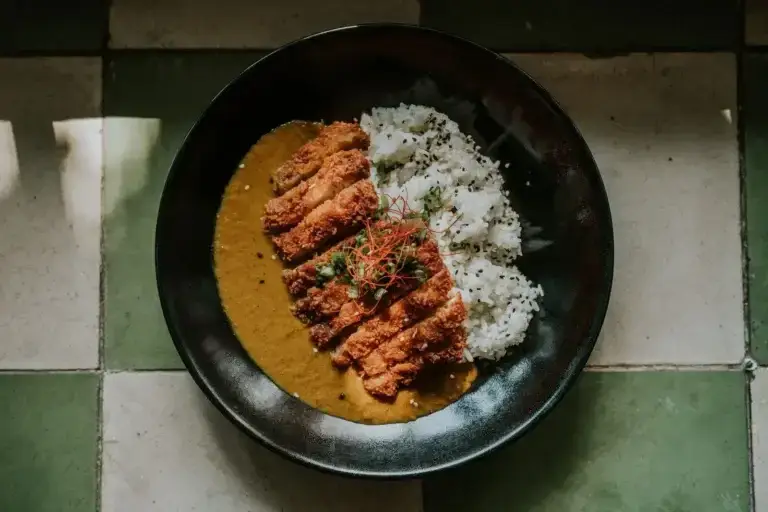
- Katsu curry sauce, for a rounder finish
- Dipping sauces for gyoza and tempura
Sake for cooking: which to buy
Gekkeikan or Hakutsuru are reliable everyday sakes, sold in most UK supermarkets and fine for both cooking and drinking. Sake is a Japanese rice wine, used in cooking for its rounding, slightly sweet flavour, distinct from the sweeter mirin.
What to check on the label
- Whether it is labelled a cooking sake or a drinking grade, since cooking sake often has added salt.
- Junmai on the label, which means no added distilled alcohol, a cleaner style.
- Whether it is unfiltered (nigori) or clear, which changes both flavour and use.
Sake vs mirin vs Shaoxing wine
| Type | Sweetness | Best for |
|---|---|---|
| Sake | Dry to lightly sweet | Rounding out sauces and marinades |
| Mirin | Sweet | Glazes and teriyaki-style sauces |
| Shaoxing wine | Savoury, nutty | Chinese stir-fries and braises |
Junmai vs regular sake for cooking
Junmai sake, made without added distilled alcohol, tends to have a cleaner, more rounded flavour that many cooks prefer for both drinking and cooking. Regular table sake, often cheaper, still works perfectly well in cooking where subtlety matters less than in sipping neat. There is no need to buy an expensive bottle purely for the kitchen.
Checking whether it is labelled cooking sake
Some bottles marketed specifically as cooking sake have salt added, making them unsuitable for drinking but fine for the kitchen, while a normal drinking sake works equally well cooked and can also be enjoyed on its own.
How to store mirin
Hon keeps in a cool cupboard for up to a year, tightly capped. The seasoning type should go in the fridge once opened, because the low alcohol content does less to preserve it, and is best used within a few months. Keep both out of direct sunlight.
What to use instead
It is not simply a sweetener. It adds gloss, balances salt, tenderises, and helps sauces cling, so leaving it out makes a dish taste flat. A substitute is worth using.
- Dry sherry plus sugar. One tablespoon sherry to half a teaspoon of sugar. The closest widely available swap.
- Sake plus sugar. The same ratio, slightly cleaner in flavour.
- Rice vinegar plus sugar. The alcohol-free option. Use a little less, because it is sharper.
- Dry white wine plus sugar. Works, though more acidic.
- Shaoxing wine plus sugar. Fine if it is already in the cupboard, though it leans savoury.
Match the swap to the job. For a glaze or teriyaki, where sweetness and shine are the point, sake or sherry with sugar gets closest. For a simmered dish where mirin only rounds out the background, a little sugar dissolved into the liquid is often enough on its own. Start with less than the recipe asks for and taste as you go, since oversweetening is easy to do and hard to undo.
Frequently asked questions
Is mirin alcoholic?
Hon mirin contains around 14 per cent alcohol. The seasoning type, which is what most UK supermarkets stock, contains under 1 per cent and is the safer choice if you are cooking for anyone avoiding alcohol.
Is mirin the same as rice vinegar?
No. Mirin is sweet and only mildly acidic; rice vinegar is sour. They appear together in many recipes but are not interchangeable despite the similar names.
Does mirin need refrigerating?
Hon mirin is fine in a cupboard. Mirin-style seasoning should go in the fridge once opened, because of the lower alcohol content.
Is mirin gluten free?
True hon mirin usually is, being rice based. Some cheaper seasoning versions add wheat, and some are processed alongside wheat, so check the label if you are coeliac.
Can I use sherry instead of mirin?
Yes, with a little sugar added, since sherry is not sweet in the same way. One tablespoon of dry sherry to half a teaspoon of sugar replaces a tablespoon of mirin.
Can you drink mirin?
Hon mirin technically can be, and in Japan it was once sipped warm as a sweet liqueur, though that is rare now. Mirin-style seasoning has added salt and syrup and should not be drunk.
Can I use drinking sake for cooking?
Yes, a decent drinking sake works well in cooking, and there is no need to buy a separate cooking-labelled bottle.