Some links on this page are affiliate links. As an Amazon Associate, The Asian Larder earns from qualifying purchases, at no extra cost to you.
Two tins of coconut milk, same shelf, same price. One makes a rich curry and one makes thin grey soup. The difference is on the label, and it comes down to how much coconut is actually in the tin.
This guide covers what to check before you buy, the brands you will find in UK shops, and how to use a tin properly once you get it home.
What to look for when buying coconut milk
- Coconut extract percentage. Higher means more coconut and a richer result. Look for at least 55 to 60 per cent. Some budget tins are as low as 40 per cent. If water is the first ingredient, put the tin back.
- Fat per 100 ml. Full-fat coconut milk sits in double figures. That fat carries the spice and stops the sauce splitting.
- A short ingredients list. Coconut extract, water, and maybe one stabiliser. A long chain of gums and emulsifiers usually means the coconut content is low.
- No added sugar. Sweetened coconut milk is for desserts, not curry.
- Guar gum in small amounts is fine, but carrageenan and modified starch stop the cream separating, which sounds useful and is not. You need that separation to fry curry paste properly.
Tin or carton?
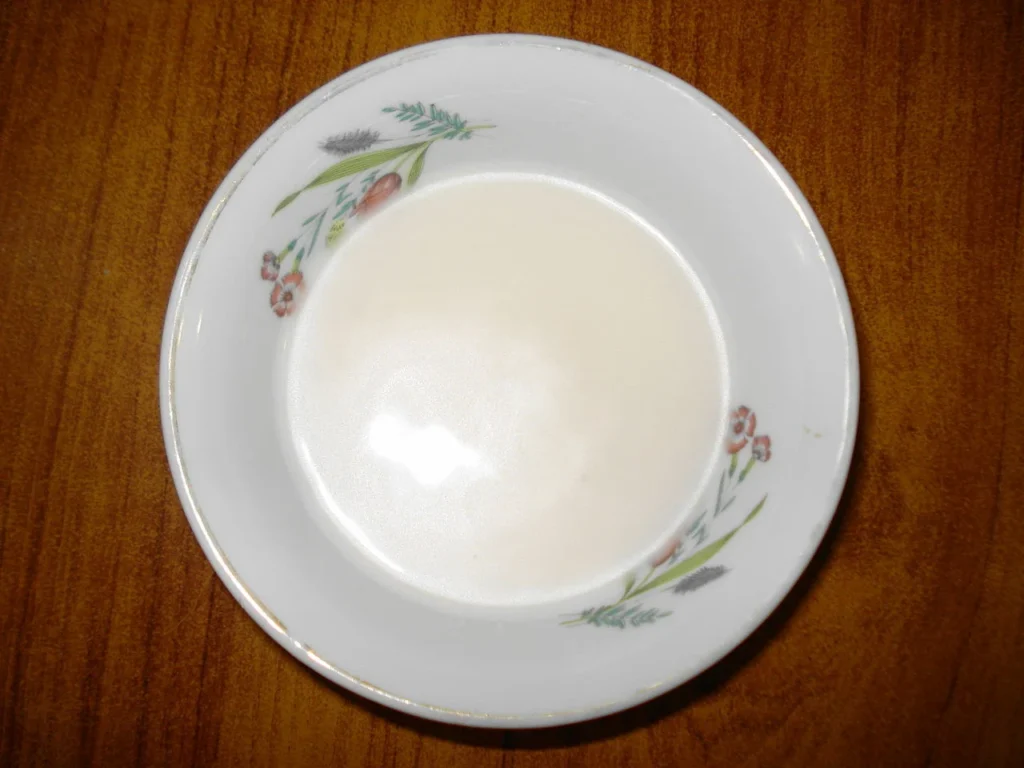
Tin, for cooking. Carton coconut milk is a diluted drink made for cereal and coffee, usually with a fraction of the coconut and plenty of added water and stabilisers. It will not thicken a curry and it splits easily under heat.
| Tinned | Carton | |
|---|---|---|
| Coconut content | High | Low, heavily diluted |
| Texture | Thick, cream separates on top | Thin and uniform |
| Best for | Curries, soups, rice | Drinks, cereal, smoothies |
| Behaviour under heat | Holds together | Splits readily |
Coconut milk, cream or block?
Coconut milk is the standard tin for curries. Coconut cream is thicker and richer, used where you want a heavier sauce or something to fry a curry paste in. Creamed coconut, sold as a hard block, is nearly pure coconut and gets grated or melted into liquid. All three work, but they are not interchangeable spoon for spoon. As a rough guide, 50 g of creamed coconut block whisked into 400 ml of hot water stands in for a tin.
Best coconut milk to buy in the UK
1. Chaokoh (Thailand): best overall
Chaokoh is the brand most Thai restaurant kitchens reach for. High coconut extract content, a rich and naturally sweet flavour, and a good thick cream layer that separates cleanly for frying paste. Sold in most large Asian grocery stores and online. You can find Chaokoh coconut milk on Amazon UK.
2. Aroy-D (Thailand): best for purity
Aroy-D uses only coconut and water, with no stabilisers. The cream separates fully in the tin, which makes it excellent for frying curry paste, and the coconut flavour is clean rather than artificially sweet. Aroy-D coconut milk on Amazon UK is good value bought in packs.
3. Mae Ploy (Thailand): best budget Thai brand
Slightly cheaper than Chaokoh and Aroy-D, with a decent coconut extract percentage and good flavour for curries. A solid everyday choice from Asian grocery stores.
4. Blue Dragon (UK): best supermarket option
The most widely available brand in UK supermarkets. It contains guar gum and does not separate as cleanly as the Thai brands, but for a quick weeknight curry it works perfectly well.
5. Biona and Ayam: stocked in larger supermarkets
Both turn up in bigger supermarkets and health food shops, and both are reasonable. Biona is the organic option of the two.
6. Supermarket own label
Quality varies a lot between retailers and between batches. Read the back of the tin before you commit to a case of them.
Full-fat vs light coconut milk
For cooking, buy full-fat. Light coconut milk is standard coconut milk with more water added, so you pay similar money for less coconut, and the thinner liquid will make your curry watery. If you want a lighter curry, buy full-fat and thin it with stock yourself. You keep control and it costs less.
How to use the tin properly
Do not shake it. Left to settle, the thick cream rises to the top, and that cream is what you fry the curry paste in before the rest goes in. Frying paste in coconut cream until the oil separates is what gives a Thai curry its depth.
- Chill the tin for an hour if the cream has not separated.
- Spoon the thick cream off the top and fry the paste in it.
- Add the thin milk underneath once the paste smells fragrant.
- Keep the pan at a simmer. Hard boiling splits the sauce.
What to use coconut milk in
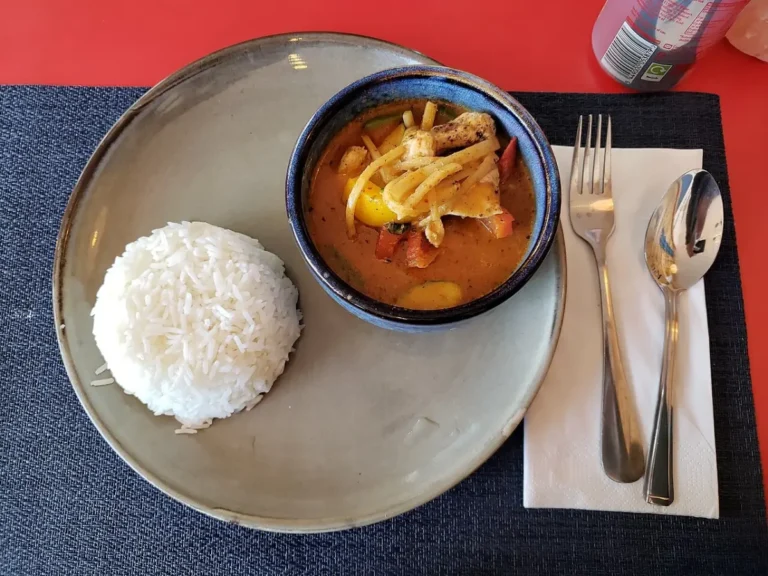
- Thai green or red curry. Fry the paste in the thick cream, then add the rest of the milk.
- Malaysian laksa. Stirred into the broth for a rich, spicy noodle soup.
- Indian korma or tikka masala. Adds creaminess in place of or alongside double cream.
- Mango sticky rice. Warmed with sugar and a pinch of salt to make the sauce.
- Coconut rice. Replace some of the water with coconut milk when cooking jasmine rice.
How to store leftover coconut milk
Leftovers keep in an airtight container in the fridge for three to four days. It freezes for up to three months, though the texture changes on thawing and it can look curdled. Whisk or blend it briefly and it comes back together well enough for cooking. Do not freeze it if you want it for a drink.
Frequently asked questions
What is the best coconut milk for Thai curry?
Chaokoh and Aroy-D are the top picks. Both have high coconut extract content and a cream layer that separates cleanly, which matters for frying curry paste properly at the start of cooking.
Why did my coconut milk split?
The heat was too high, or the tin was low in fat. Keep the pan at a gentle simmer and buy full-fat. A little separation in a Thai curry is normal and wanted, but a broken, grainy sauce means it boiled.
Is the white lump in my tin a problem?
No, it is the good part. The solid cream separates and rises when the tin sits still or gets cold. Warm it gently and it melts back in, or spoon it off and fry your curry paste in it.
Is coconut milk the same as coconut cream?
No. Coconut cream is thicker and richer, made with a higher ratio of coconut to water. Coconut milk is more dilute. Coconut cream suits desserts and very rich sauces; coconut milk is the standard for curries and soups. You can make milk from cream by adding water, but not the other way round.
Is light coconut milk worth buying?
Not for cooking. It is full-fat milk with water added, so you get less coconut for similar money. Buy full-fat and dilute it yourself if you want something lighter.
Can you freeze coconut milk?
Yes, for up to three months. It separates on thawing and looks curdled, which is normal. Whisk or blend it and use it in cooked dishes.
Does coconut milk contain dairy?
No. Coconut milk is made from pressed coconut flesh and is completely dairy free. It suits vegans and people with lactose intolerance or dairy allergies.