Panko is why katsu stays crunchy long after ordinary breadcrumbs have gone soft. The difference is in how the bread is made.
The best panko to buy in the UK
Any plain panko breadcrumbs work well, the main choice is white or golden, and whether you want plain or seasoned. Panko is made from crustless bread, giving larger, airier flakes than regular breadcrumbs, which is why it fries lighter and crispier.
Panko is now stocked in most UK supermarkets, usually with the other Asian ingredients or near the regular breadcrumbs. Here is what actually differs between brands.
White vs golden panko
Standard panko is pale and crisps up light and golden once fried. A pre-toasted golden panko also exists, giving a head start on colour and a slightly nuttier flavour, useful for baked rather than fried dishes where you want browning without deep-frying. Either works for most recipes, the difference is mostly about colour and a small flavour shift.
Plain vs seasoned
Plain panko is the more useful choice, since it takes on whatever seasoning goes into the flour and egg stage of breading. Seasoned panko, with added herbs or spice, can work for a quick coating but limits what the crumb goes with.
What to check on the label
- Whether it says panko or Japanese style breadcrumbs, since regular dried breadcrumbs are a different, denser texture.
- Plain panko for the most flexibility across recipes.
- Bag size, since panko takes up more volume than regular breadcrumbs for the same weight.
Panko vs regular breadcrumbs
| Type | Texture | Best for |
|---|---|---|
| Panko | Large, airy flakes | Katsu, tempura style frying |
| Regular breadcrumbs | Fine, dense | Meatballs, stuffing, thin coatings |
Gluten free panko
Rice-based gluten free panko is increasingly available alongside the standard wheat version, giving a similarly light, crisp coating. It behaves slightly differently when frying, sometimes browning a little faster, so keep a closer eye on cooking time the first time you use it.
As a rough quantity guide, one flattened chicken breast takes about 25 to 30g of panko to coat properly, so a standard 200g bag covers six to eight cutlets with a bit left over for a thinner second coat on anything that looks patchy.
What is panko?
Panko is a Japanese breadcrumb made from crustless white bread baked using an electric current rather than a hot oven. The loaf cooks without forming a crust, then gets torn into large airy flakes instead of ground into powder. Those flakes are what give the coating its crunch.
Why panko stays crisper than normal breadcrumbs
The flakes are bigger, drier and full of air, so they absorb less oil and hold their structure under sauce. Standard dried breadcrumbs are dense and fine, which means they soak up fat and turn heavy within minutes of leaving the pan.
- Larger, jagged flakes give more surface area and a louder crunch
- Less oil absorbed means a lighter finished dish
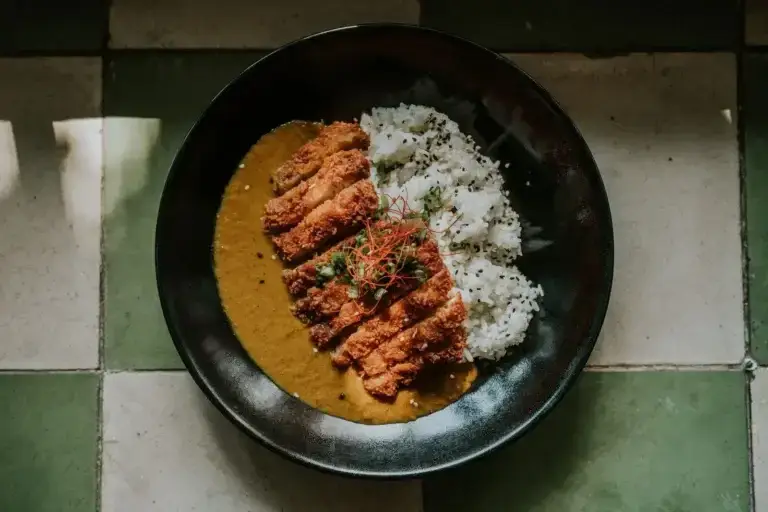
- Holds up under curry sauce, which is the whole point of katsu
- Browns more evenly, so it looks better too
What to use panko for
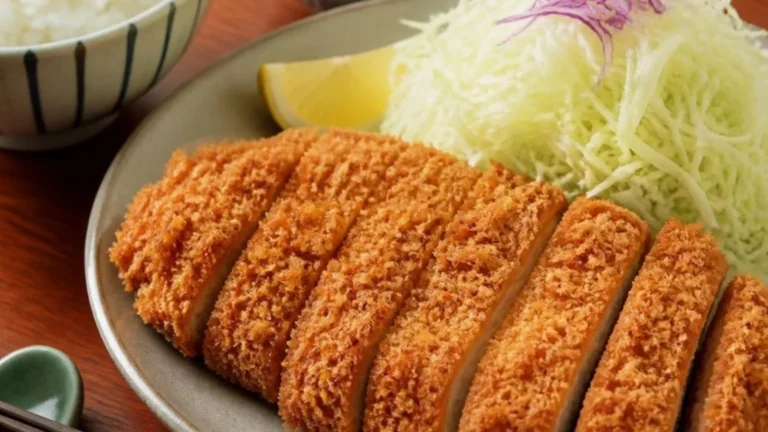
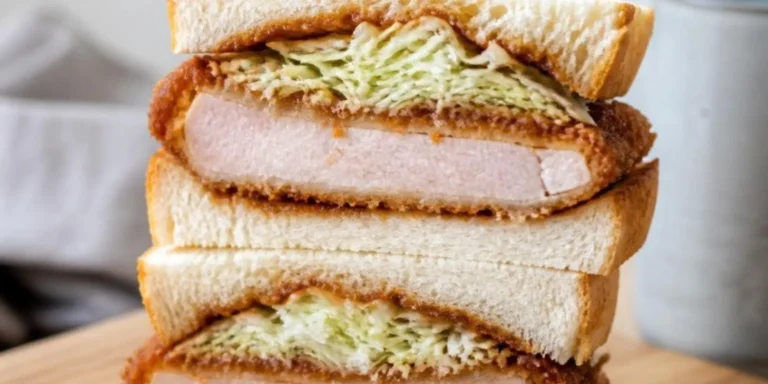
- Chicken or pork katsu
- Tonkatsu and katsu curry
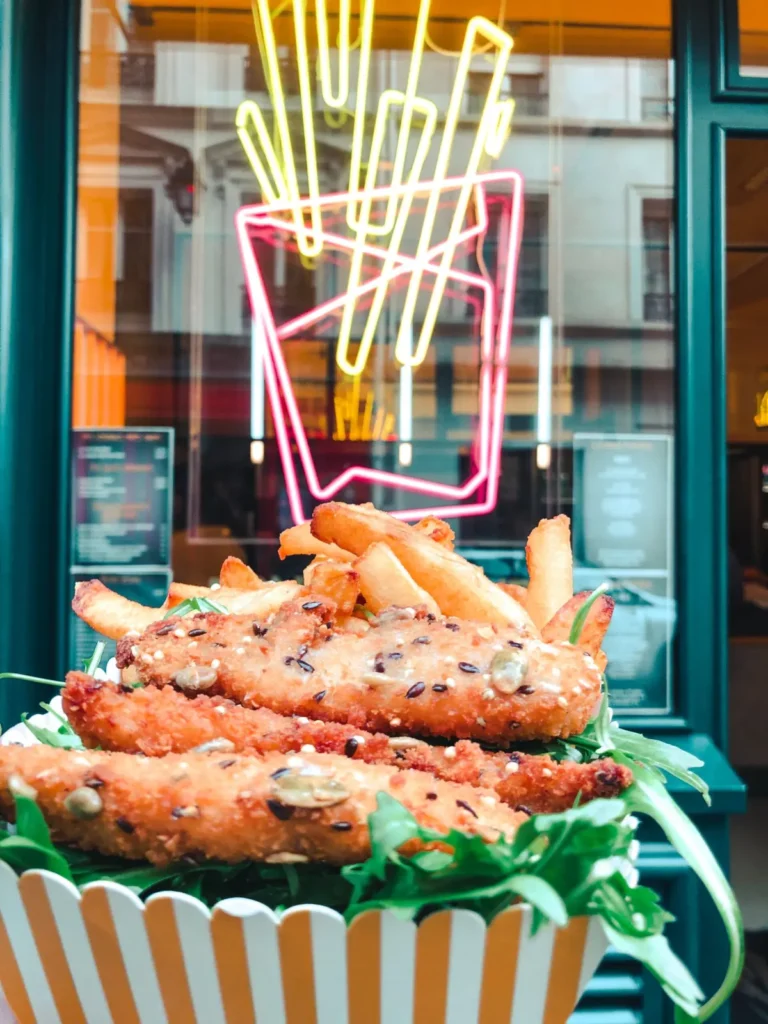
- Crispy tofu
- Topping for a gratin or baked pasta
- Binding meatballs, where it keeps them lighter
What can I use instead of panko?
There is no perfect swap, because the texture comes from the manufacturing method. The closest home version is crustless white bread, torn rather than blitzed, dried in a low oven until crisp but not coloured. Crushed cornflakes are a decent second.
- Homemade torn white bread. Dried at 140C for 15 minutes.
- Crushed cornflakes. Crunchy, slightly sweet.
- Crushed rice crackers. Very close on texture.
- Ordinary dried breadcrumbs. Works, but expect a denser coating.
Where to buy panko in the UK
Panko is stocked in most UK supermarkets in the world food or breadcrumb aisle, and is widely available online through major retailers and Japanese or Asian grocers. Look for brands such as Yutaka or a supermarket own-brand version.
Every major supermarket now stocks it in the world food aisle or with the breadcrumbs. Japanese and Chinese supermarkets sell much larger bags at better value, which matters because panko keeps well.
What makes panko different
Panko is a Japanese-style breadcrumb made from crustless bread, giving it a lighter, flakier texture than standard dried breadcrumbs. This is what makes fried food coated in panko so much crispier.
Asian supermarkets
A Japanese or general Asian grocer stocks a wider range of panko brands and often larger, better-value bags than a mainstream supermarket.
Buying it online
Online is a good option for bulk bags if you fry with panko often, since it keeps well unopened for a long time.
Standard vs panko-style breadcrumbs
Some supermarkets stock a breadcrumb labelled Japanese-style or panko-style breadcrumb from their own bakery range rather than an imported Japanese brand. These are usually a reasonable substitute, though a genuine imported panko tends to be lighter and crisper due to the specific way the bread is baked without a crust before being processed into flakes.
Checking the aisle placement
Panko sits in the world food aisle in most large supermarkets, though a small number shelve it with regular breadcrumbs in the baking aisle instead, worth checking both if you cannot find it straight away.
How to store panko
Keep the bag sealed in a cool, dry cupboard, panko is quite absorbent and can turn slightly stale if left open to the air.
Frequently asked questions
Is panko vegan?
Usually yes. Most panko is just flour, water, yeast and salt, but check the label as some brands add milk powder.
Can I bake panko coated food?
Yes. Toss the panko in a little oil first, or it stays pale. An air fryer at 200C gives the closest result to frying.
How should I store it?
In a sealed container in a cupboard. It absorbs moisture from the air, and damp panko will not crisp.
Can I make panko at home?
Yes, though it takes effort. Tear crustless white bread into pieces, dry it out in a low oven, then pulse briefly in a food processor so the pieces stay coarse rather than turning to fine crumbs.
Does panko go off?
An unopened bag lasts for months in the cupboard. Once opened, keep it sealed and use within a few weeks, since it can pick up moisture and lose its crunch.